MG MGB I gallery (1962–1980)
A legendary unibody British sports car produced as a roadster and GT coupe across nearly two decades.
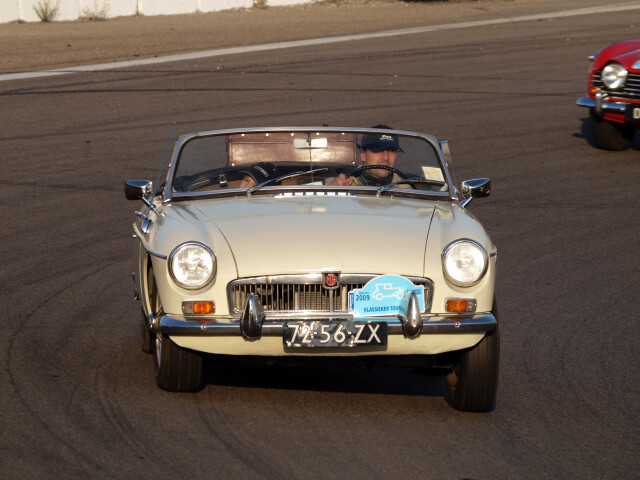
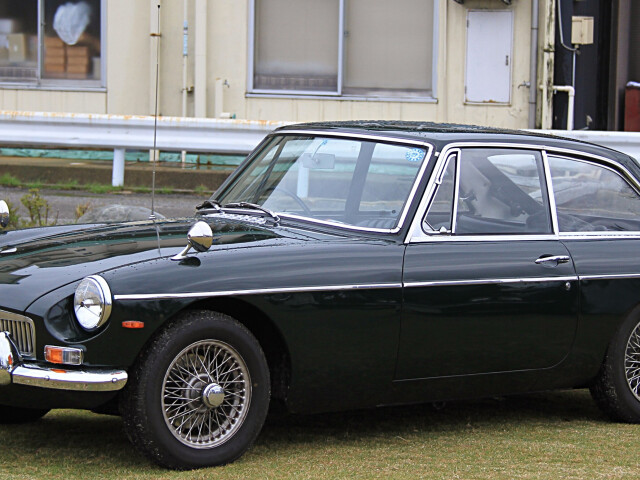
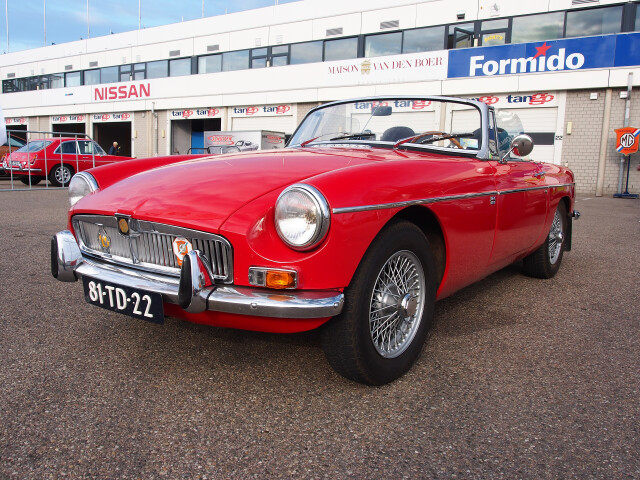
Introduced in 1962 as the successor to the MGA, the MGB represented a major technological leap for MG by adopting a unitary unibody construction instead of a traditional separate chassis, providing significantly greater torsional rigidity and passenger space. The model originally debuted as a two-seater convertible roadster, joined in 1965 by the Pininfarina-styled MGB GT hatchback coupe featuring a practical 2+2 layout. The chassis featured independent front suspension with double wishbones and coil springs, rack-and-pinion steering, front disc brakes, and a live rear axle on semi-elliptic leaf springs. Propulsion was provided by the 1,798 cc BMC B-Series pushrod inline-four engine breathing through twin SU carburettors, generating around 95 bhp and paired with a four-speed manual transmission with available Laycock de Normanville overdrive, while an optional Borg-Warner three-speed automatic was offered for a brief period. The car underwent continuous updates throughout its production run, including the five-bearing crankshaft and full synchromesh gearbox with the Mk II in 1967, and visual revisions with the Mk III in 1969. The most dramatic modification arrived in late 1974 with the introduction of heavy black polyurethane 5-mph impact bumpers and raised ride height to satisfy strict federal safety regulations in the United States, which remained the car's most important export market until assembly ended in 1980.