Maserati Mistral I (Tipo AM109) gallery (1963–1970)
The Maserati Mistral was a distinguished grand tourer and the marque's final production model powered by its classic twin-cam straight-six engine.
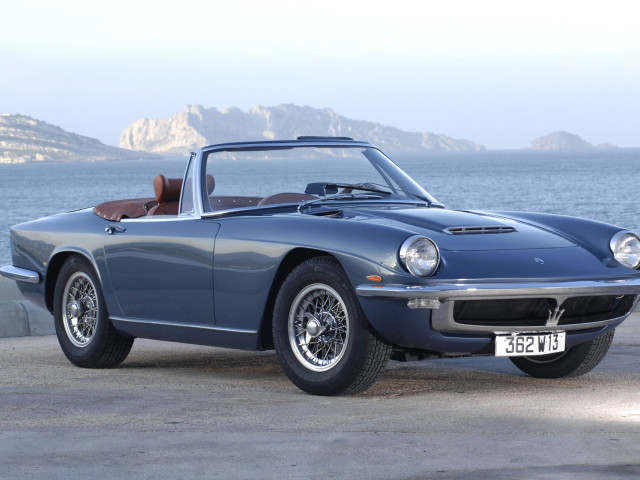
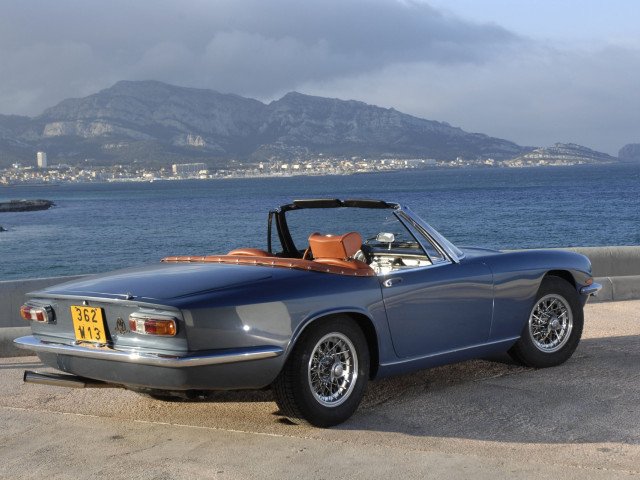
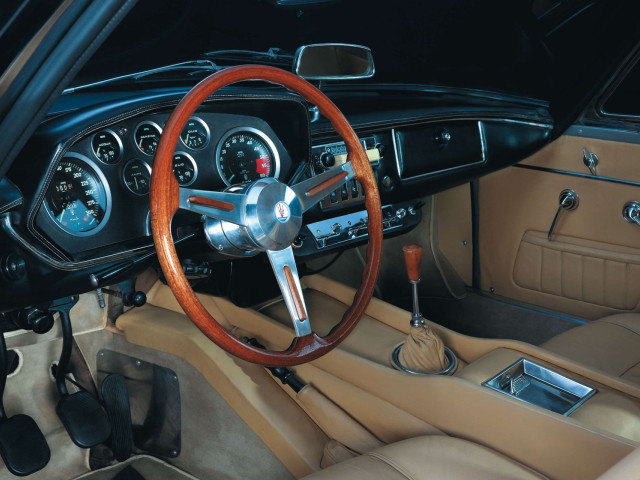
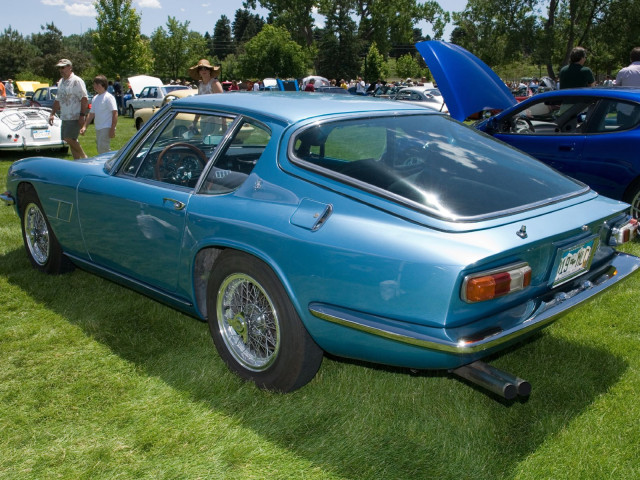
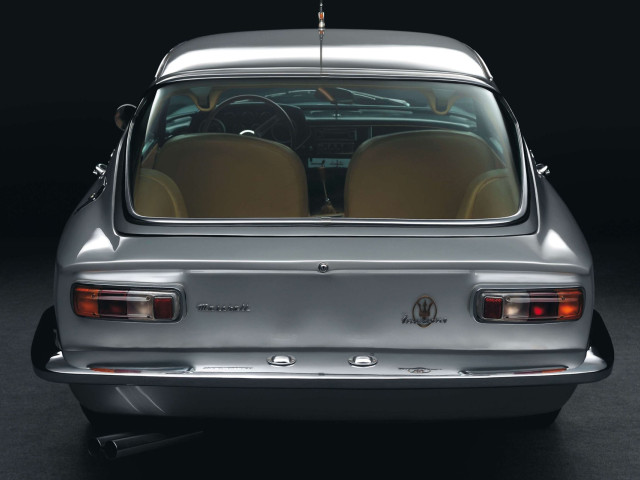
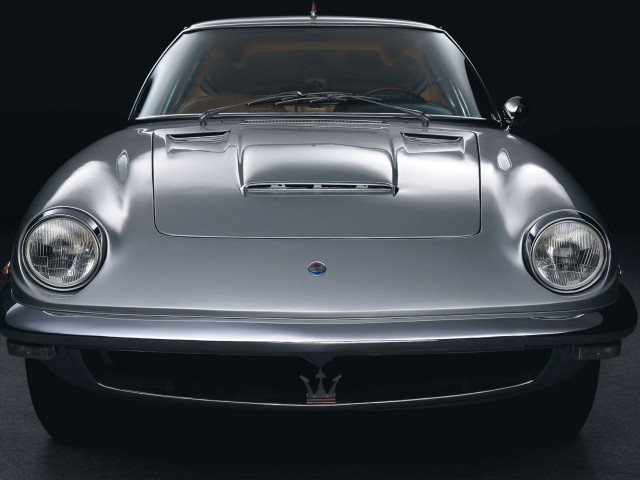
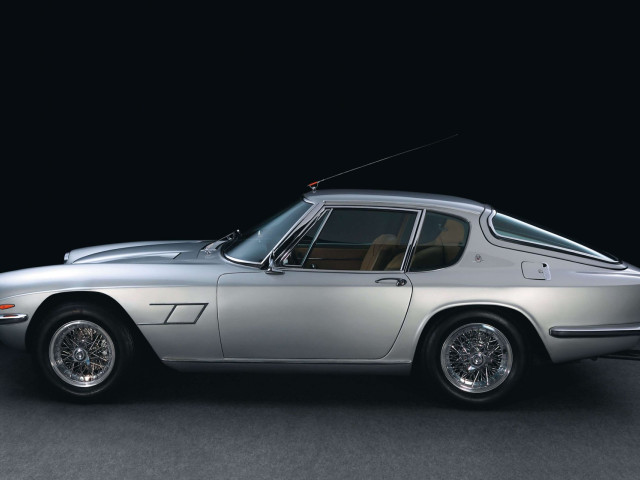
The Maserati Mistral (factory internal code Tipo AM109) was unveiled at the Turin Motor Show in late 1963 as the successor to the venerable 3500 GT, inaugurating Maserati's celebrated tradition of naming road-going models after famous winds. Built on a short-wheelbase tubular steel chassis, it employed an independent front suspension with double wishbones and coil springs alongside a solid Salisbury rear axle suspended on semi-elliptic leaf springs with telescopic shock absorbers. The aerodynamic body was styled by master coachbuilder Pietro Frua, offered as an enclosed two-door fastback coupe with a glass tailgate or as an open-top convertible (Spyder), fabricated mainly in steel with aluminum doors and hoods (with select early examples featuring all-aluminum bodywork). Mistral was the final model to house the race-proven twin-plug inline-six engine equipped with Lucas indirect fuel injection, available across its production span in 3.5-liter (235 hp), 3.7-liter (245 hp), and range-topping 4.0-liter (255 to 265 hp) displacements. Transmission options comprised a standard ZF five-speed manual gearbox and an optional BorgWarner three-speed automatic intended primarily for the North American market. Produced until 1970 with approximately 953 units built across both body styles, it remains one of the purest Italian GT cars of its era.