Lancia Lybra I (839) gallery (1999–2005)
A compact executive D-segment car that replaced the Dedra model line.
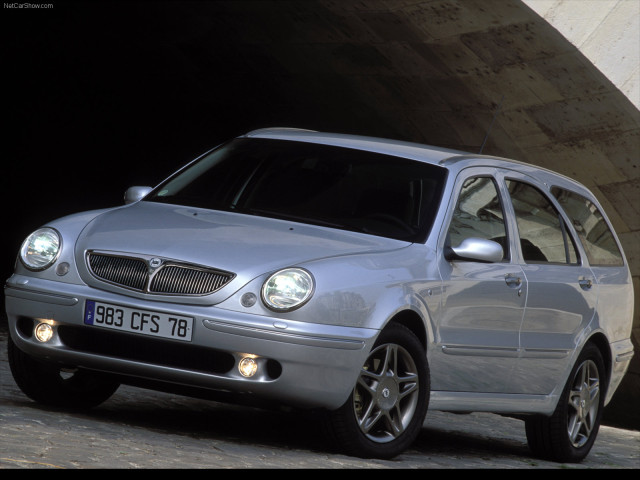
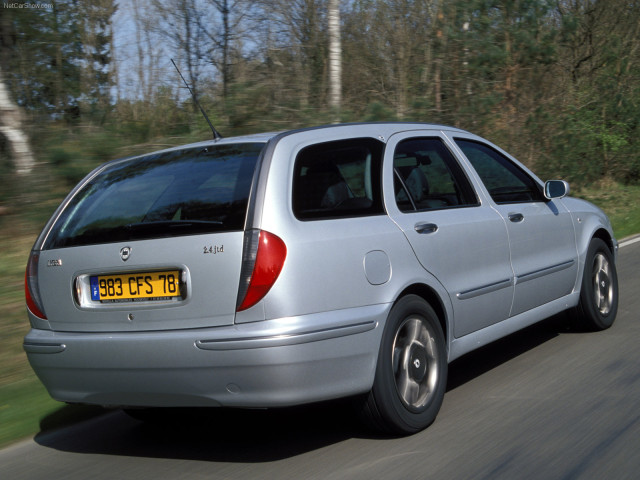
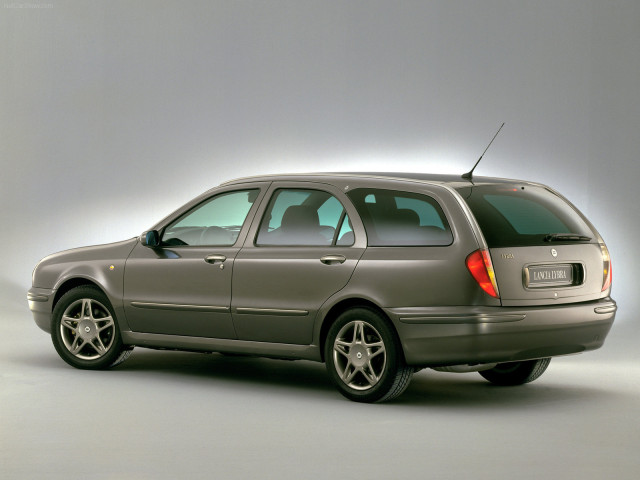
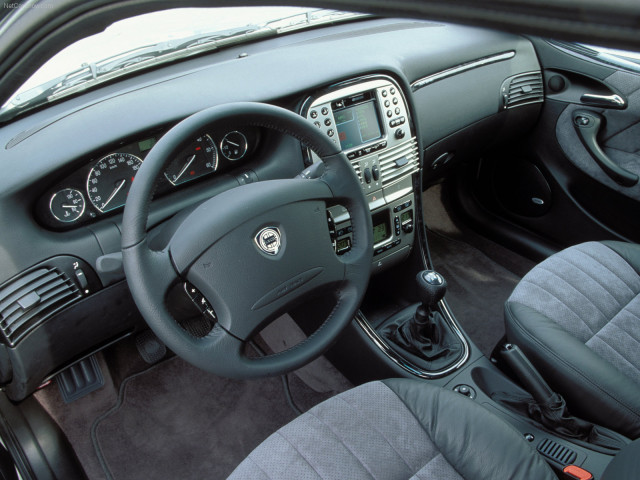
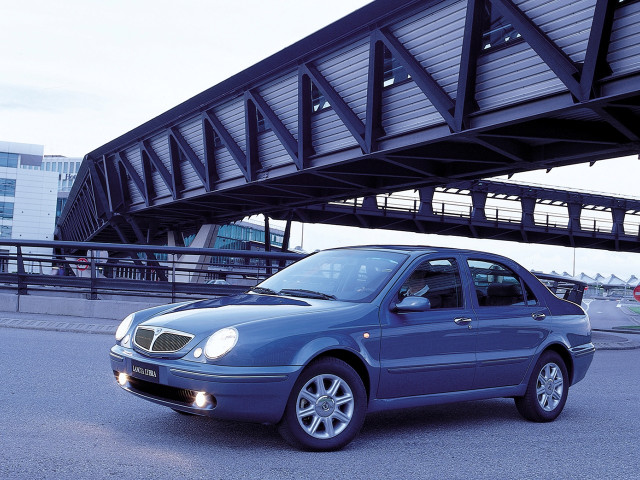
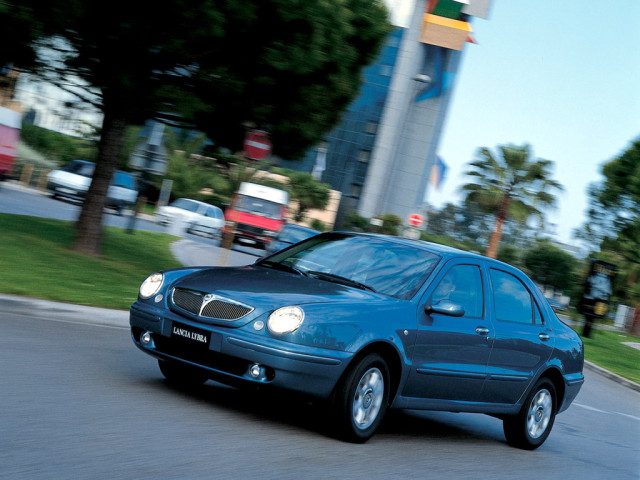
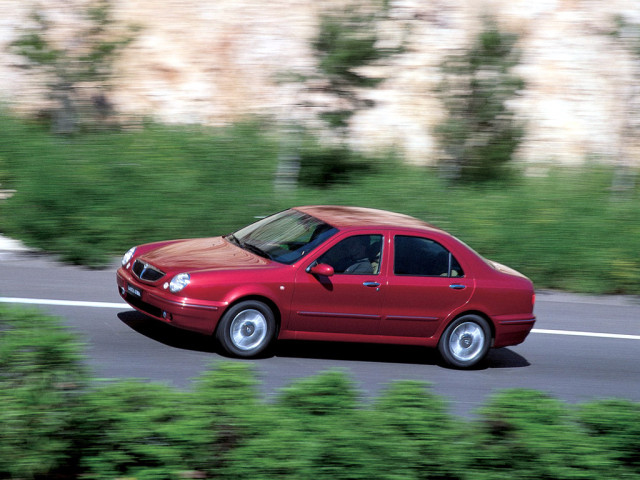
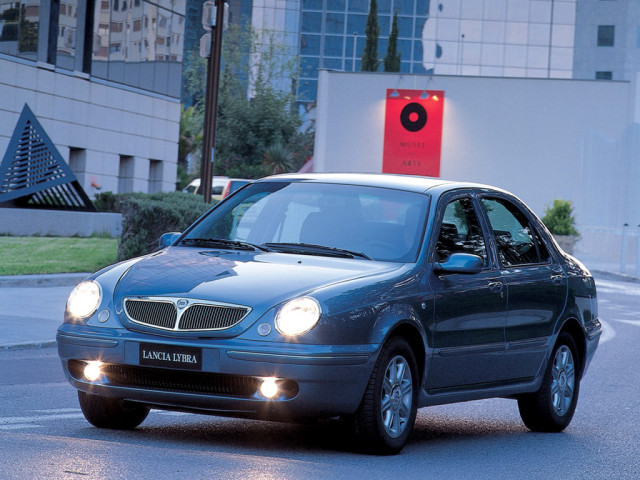
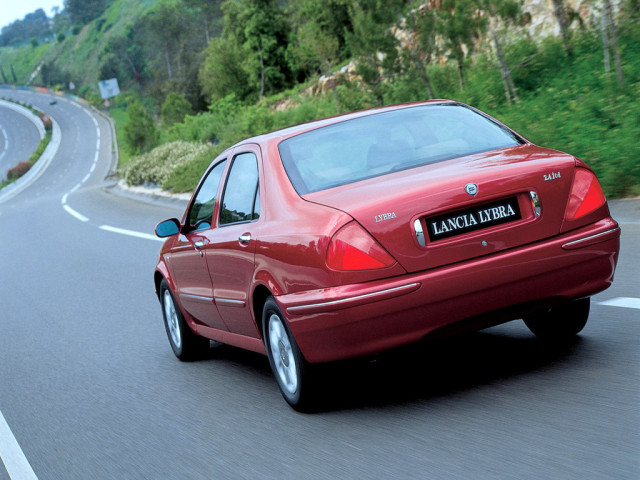
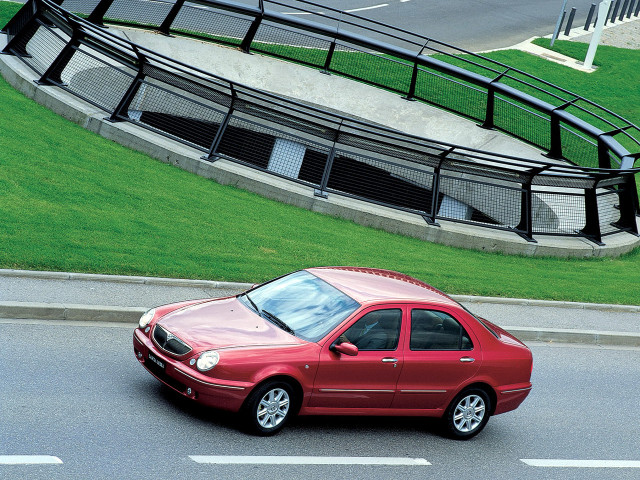
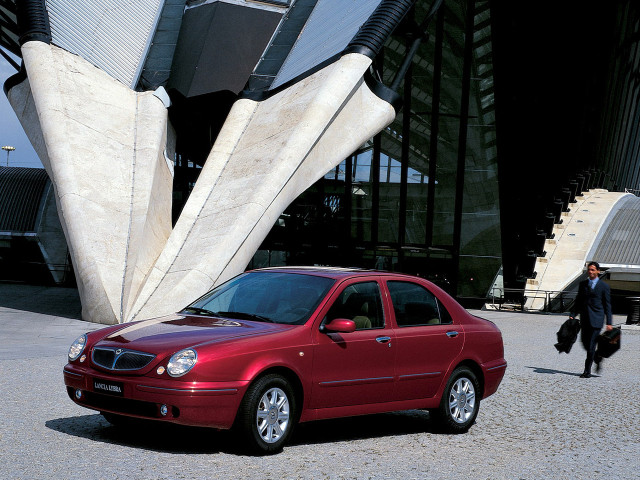
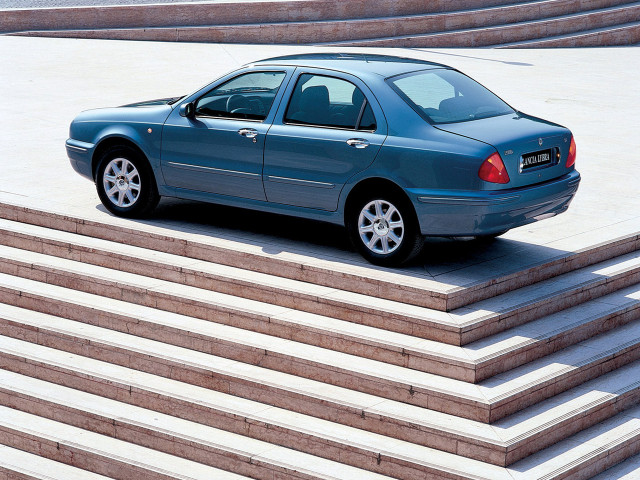
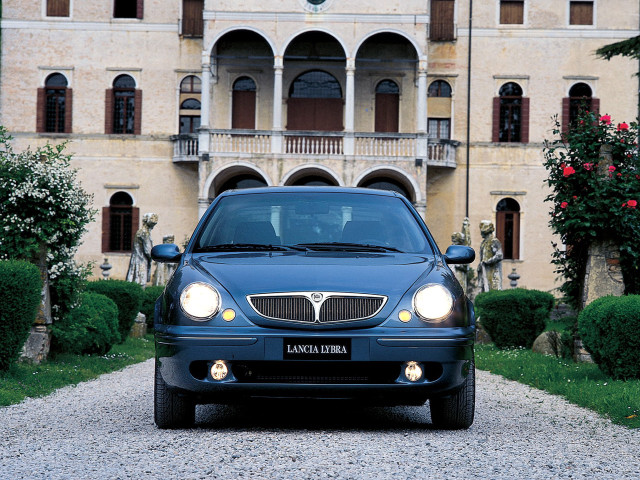
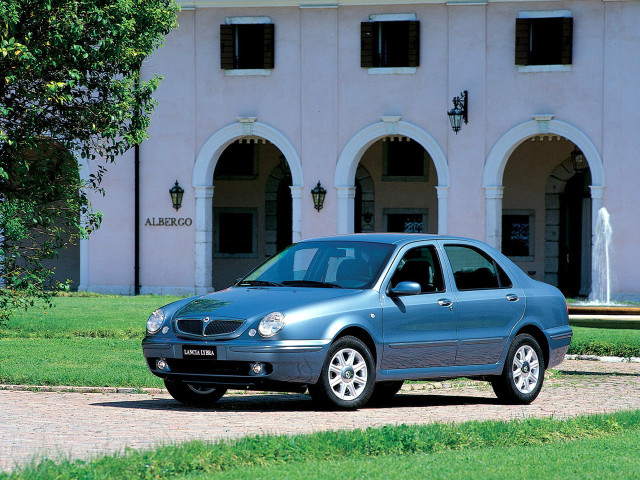
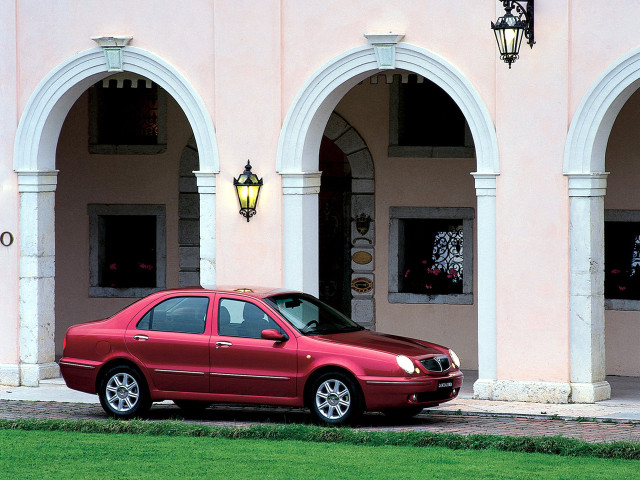
The Lancia Lybra (internal designation Type 839) was introduced in 1999 as the successor to the Dedra, remaining in production until 2005. Built on an extensively modified front-wheel-drive Fiat Tipo 2 platform, the Lybra featured a fully independent suspension system with front MacPherson struts and rear guided trailing arms, which provided outstanding ride comfort. The car was offered in two body styles: a four-door saloon (Berlina) and a five-door estate (Station Wagon). The petrol engine lineup included 1.6-litre 16V (103 hp) and 1.8-litre 16V (130 hp) four-cylinder units, alongside a silky-smooth 2.0-litre 20V five-cylinder engine producing up to 154 hp. The diesel range was powered by advanced common-rail JTD engines, including the 1.9-litre four-cylinder (105–115 hp) and the robust 2.4-litre five-cylinder (134–150 hp). Power was delivered through a 5-speed manual transmission, while a 4-speed Comfortronic automatic transmission was available exclusively on the 2.0-litre petrol model. Compared to the sharp, boxy Dedra, the Lybra adopted distinctive retro-inspired styling with teardrop headlights and a rich, luxurious interior trimmed in Alcantara or Poltrona Frau leather, dual-zone climate control, and an Integrated Control System (ICS) with available Bose audio. Production took place at the Rivalta and Mirafiori factories, serving mostly the European market.