Cadillac CTS I (Sigma) gallery / page 2

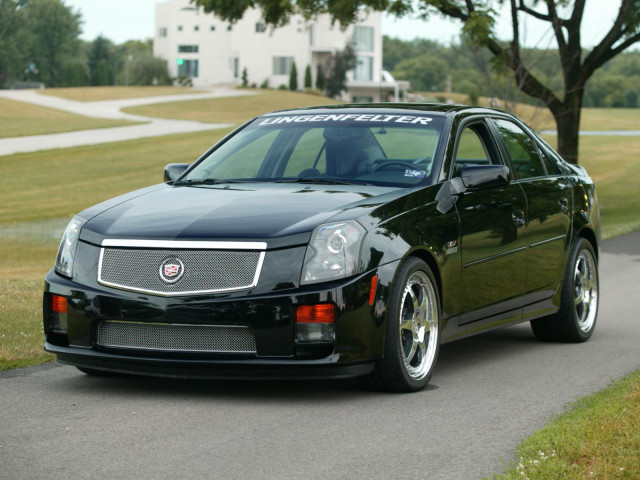
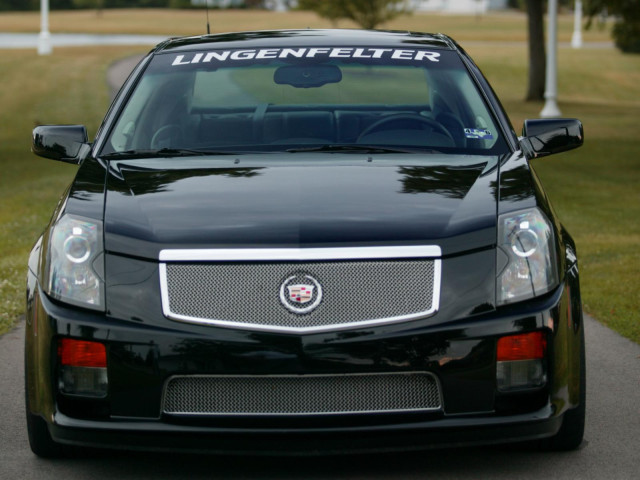
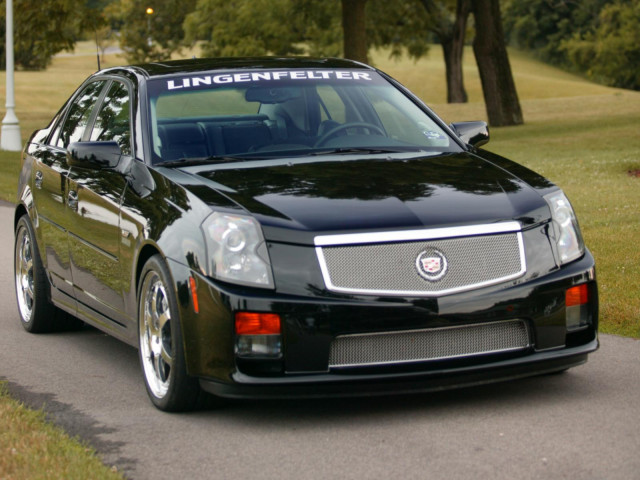
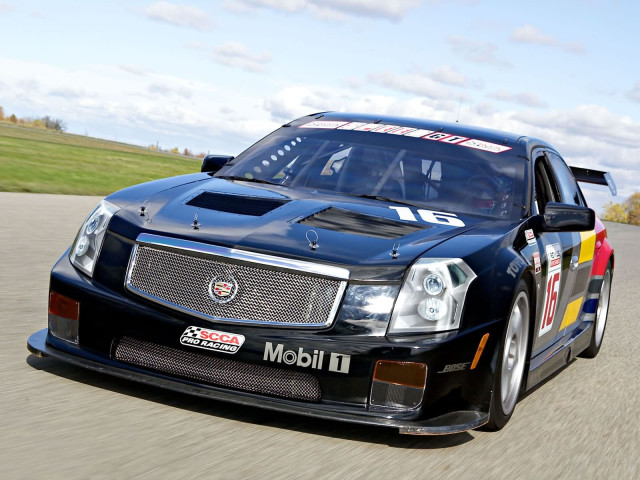
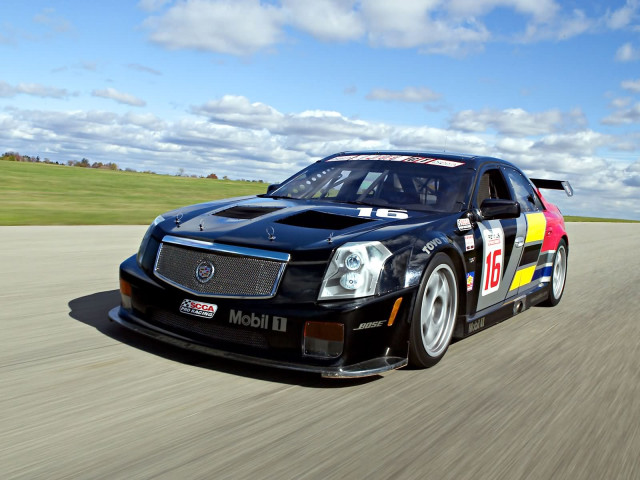
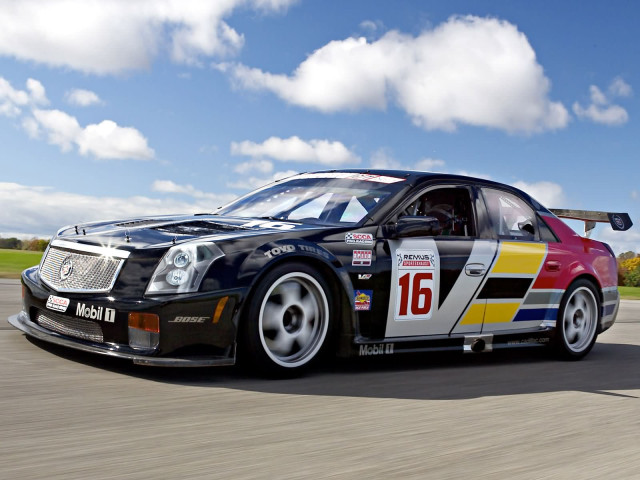
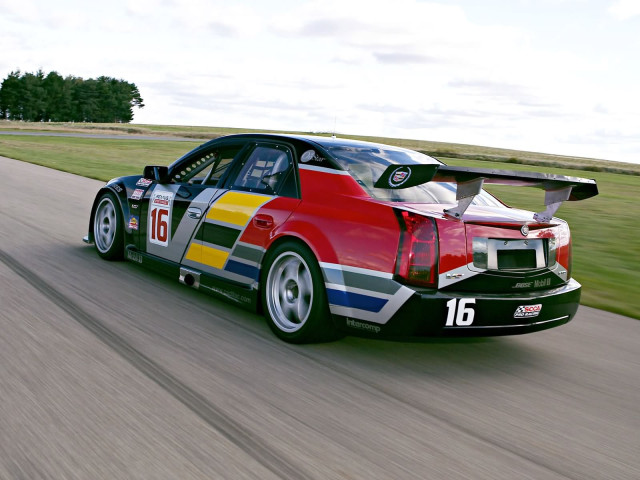
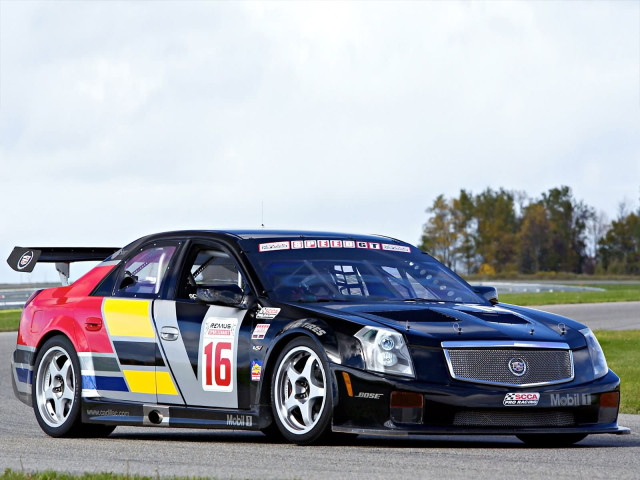
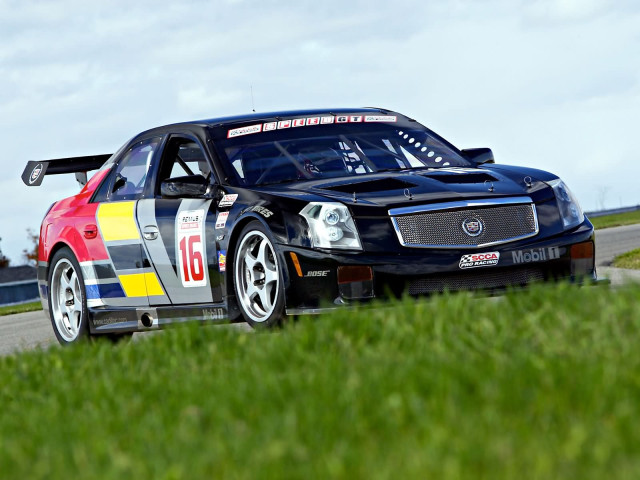
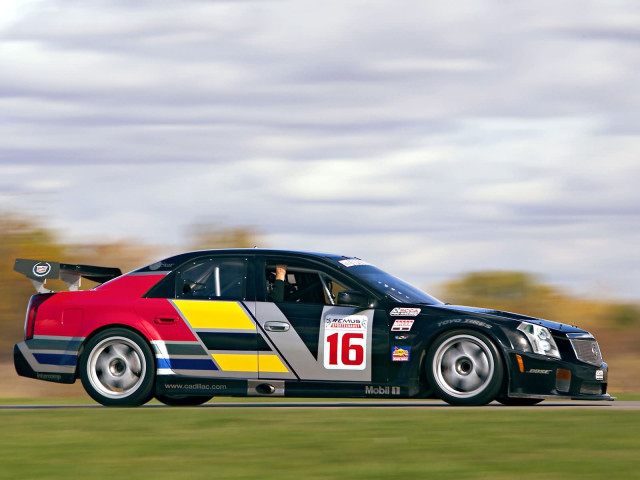
The first generation Cadillac CTS debuted in 2002 as the replacement for the Catera. It served as the pioneering production model for Cadillac's Art and Science design philosophy, defined by sharp faceted surfaces, bold vertical lighting, and geometric body proportions. Built upon GM's rear-wheel-drive Sigma platform architecture, the chassis was extensively developed and tuned on Germany's famed Nürburgring Nordschleife circuit to challenge established European luxury sports sedans directly in handling precision and dynamic agility. The exterior design incorporates distinctive body proportions, sharp character lines, and an iconic front grille featuring the brand's emblem.

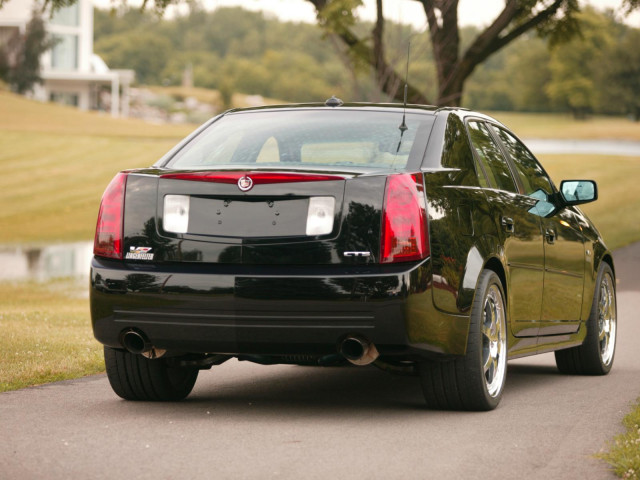
Initial engine power derived from a 3.2-liter V6 outputting 220 horsepower, which was replaced in 2004 by GM's new High Feature DOHC V6 family in 2.8-liter (210 hp) and 3.6-liter (255 hp) configurations. Buyers could choose between a Getrag five-speed manual or a GM 5L40-E five-speed automatic transmission. In 2004, Cadillac launched the high-performance CTS-V equipped with a 400-horsepower 5.7-liter LS6 V8 (later a 6.0-liter LS2 V8) mated exclusively to a Tremec T-56 six-speed manual gearbox. Standard and optional equipment included advanced active and passive safety systems, multi-zone climate control, and upgraded interior electronics.