Bugatti Type 51 I gallery (1931–1935)
The Bugatti Type 51 was a dedicated Grand Prix racing car developed to succeed the iconic and highly successful Type 35.
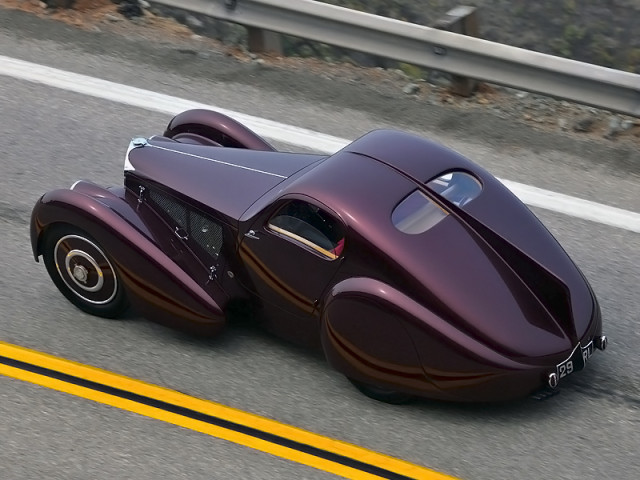
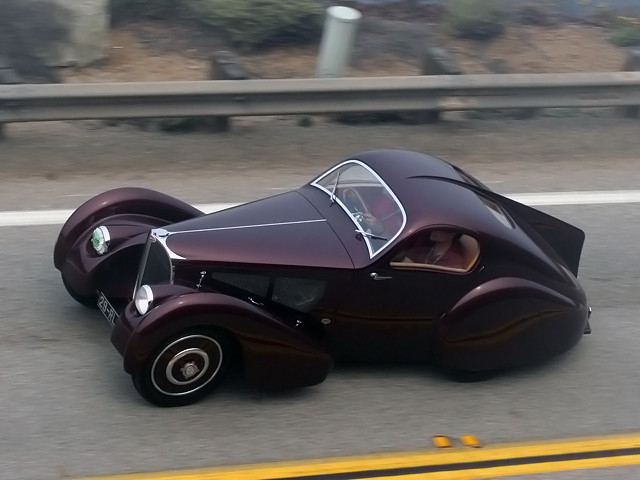
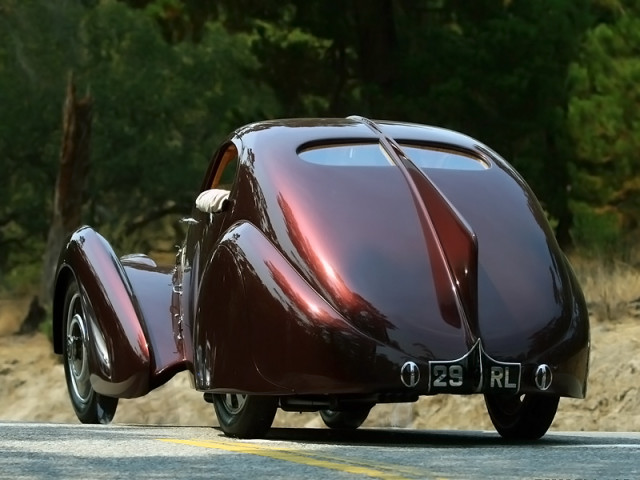
Introduced in 1931, the Bugatti Type 51 was the direct successor to the championship-winning Type 35, engineered specifically to restore Bugatti's competitiveness in top-tier Grand Prix racing against rising Italian rivals. The chassis architecture was closely derived from the Type 35B, utilizing a lightweight steel ladder frame, solid axles with semi-elliptic front and reversed quarter-elliptic rear leaf springs, cable-operated drum brakes, and signature cast-aluminum wheels. The centerpiece of the Type 51 was its revised 2.3-liter (2,262 cc) inline-eight engine, which replaced the previous single-cam design with a dual overhead camshaft (DOHC) cylinder head inspired by Miller racing powerplants. Paired with a Roots-type supercharger and a four-speed manual transmission, the engine produced between 160 and 180 hp. Variations included the 1.5-liter Type 51A for the Voiturette category and the 2.0-liter supercharged Type 51C. Built exclusively with lightweight aluminum open-cockpit two-seat roadster bodywork, the Type 51 was actively campaigned across European circuits by factory drivers and privateers alike throughout the early to mid-1930s.