Bugatti Type 43 I gallery (1927–1932)
The Bugatti Type 43 Grand Sport was a high-performance road car essentially powered by the supercharged Type 35B Grand Prix engine.
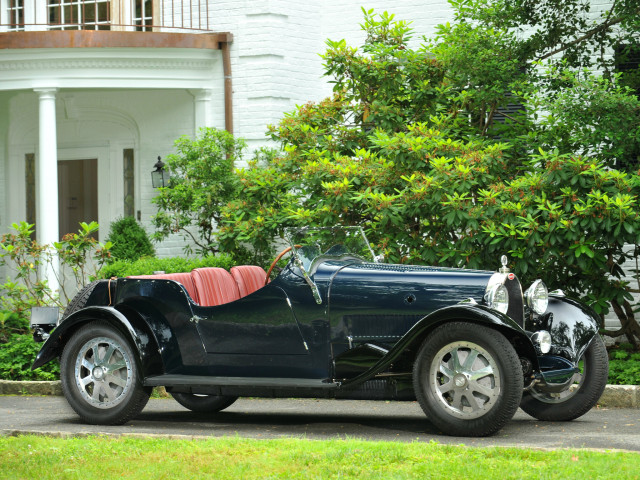
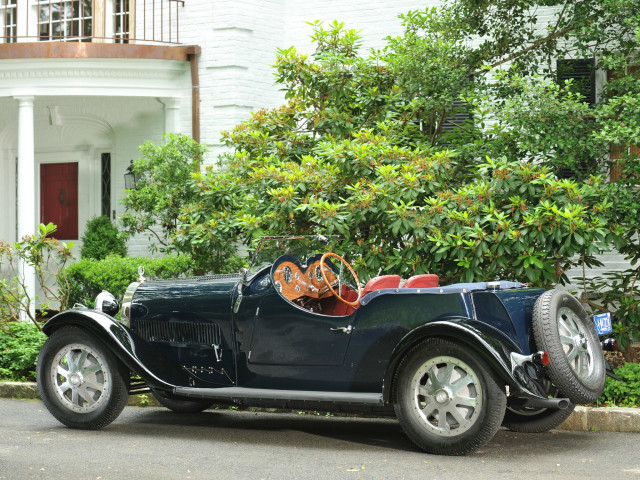
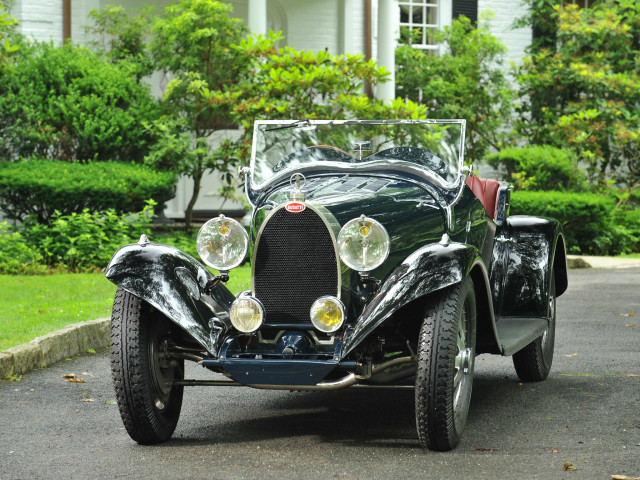
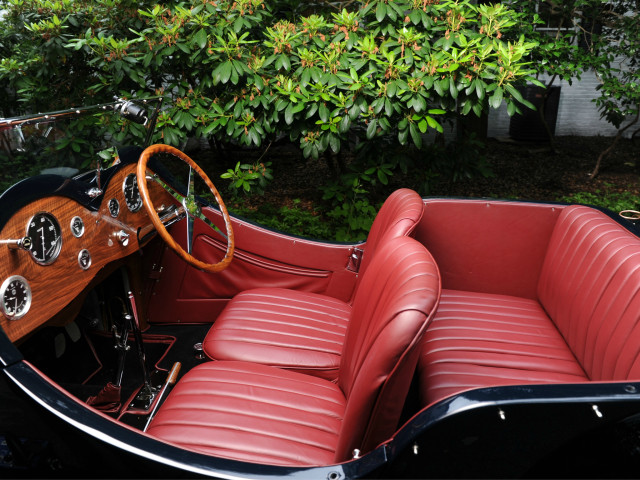
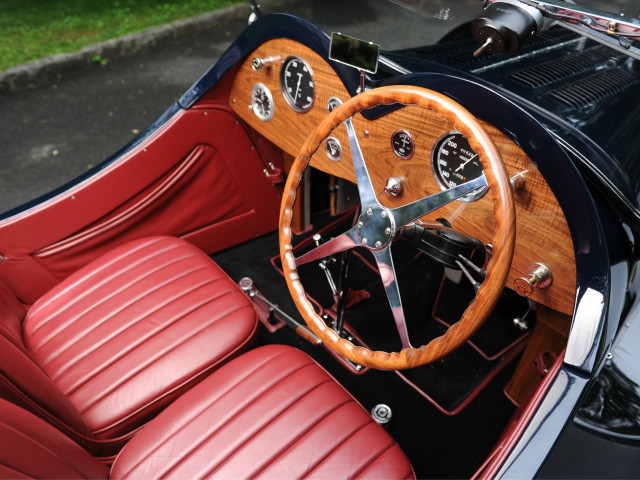
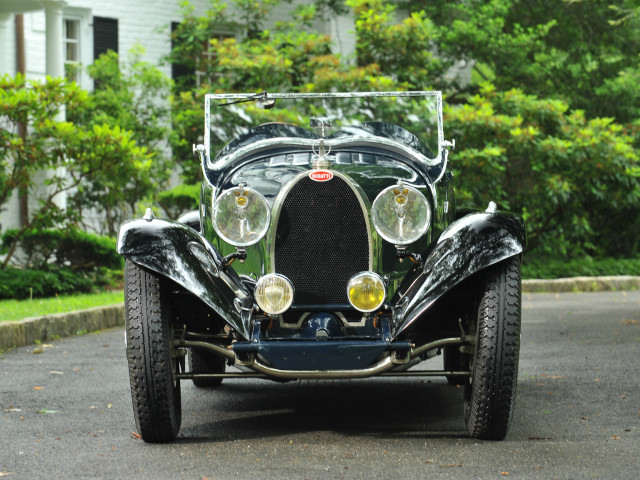
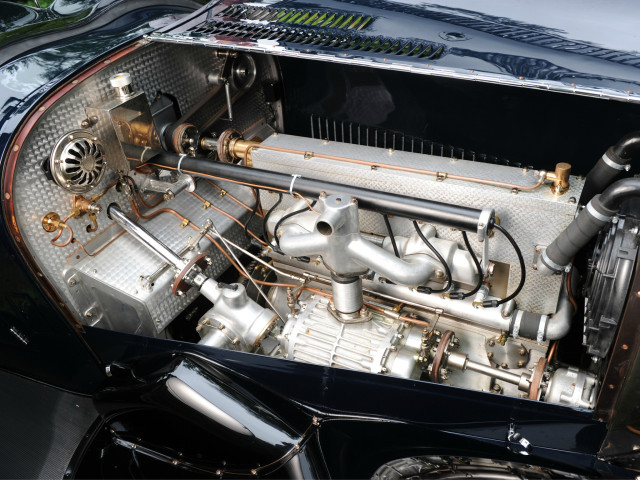
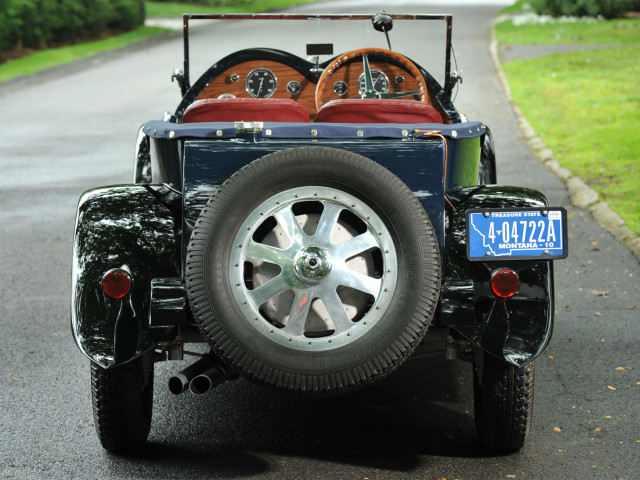
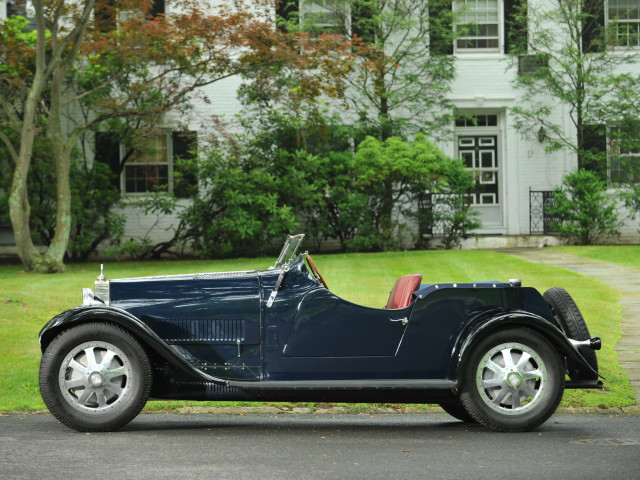
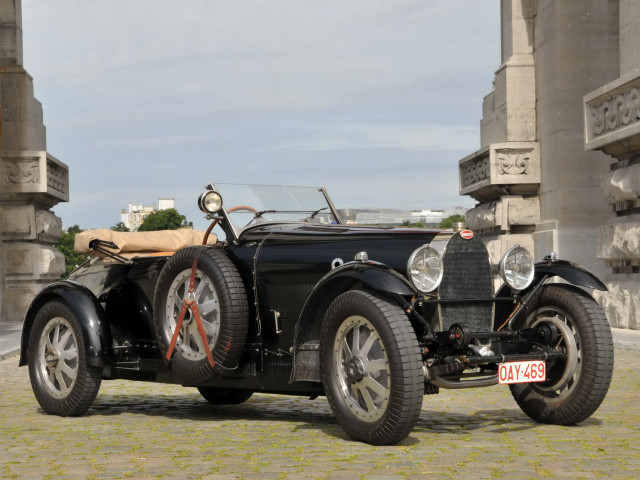
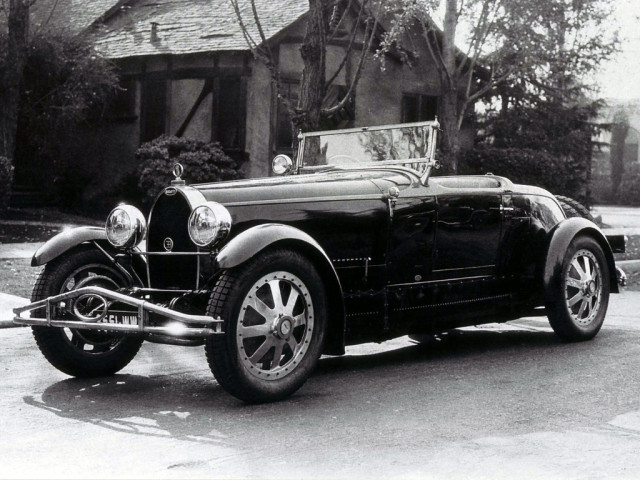
Introduced in the spring of 1927, the Bugatti Type 43 Grand Sport is widely regarded as one of the very first production road cars capable of exceeding 100 mph (160 km/h). Engineered to deliver authentic Grand Prix performance for everyday road use, it utilized a modified chassis and mechanical components borrowed directly from the championship-winning Type 35B and Type 35T racers. Power came from a 2.3-litre (2,262 cc) supercharged straight-eight engine equipped with a Roots-type blower and single overhead camshaft operating three valves per cylinder. Generating roughly 120 to 125 horsepower, the engine was paired with a close-ratio four-speed manual transmission driving the rear wheels. The Type 43 rode on a 2,972 mm wheelbase chassis featuring lightweight aluminium cast wheels with integral brake drums and cable-actuated mechanical brakes. Bodywork predominantly consisted of stylish open Grand Sport tourers and roadsters with signature boat-tail rear ends. In 1931, the refined Type 43A variant appeared with updated roadster styling. Around 160 units were manufactured, targeted at affluent gentleman drivers across France, the United Kingdom, and international export markets.