Bugatti Type 41 Royale I gallery (1927–1933)
The Bugatti Type 41 Royale was a colossal ultra-luxury masterpiece engineered to be the most magnificent automobile in existence.
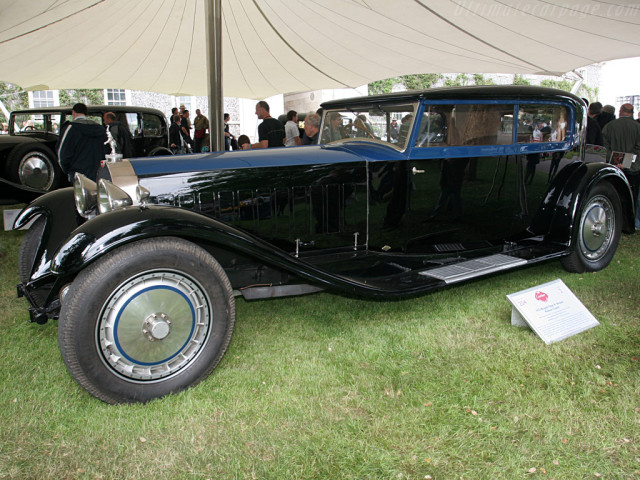
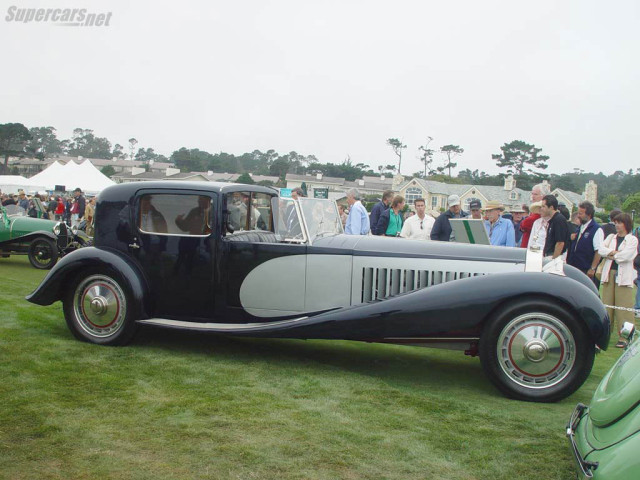
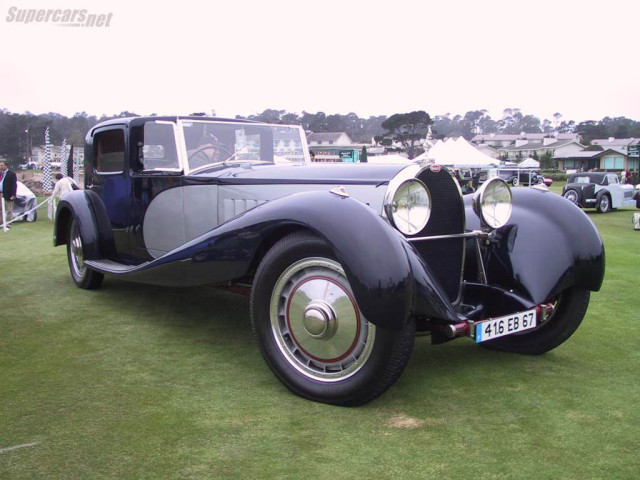
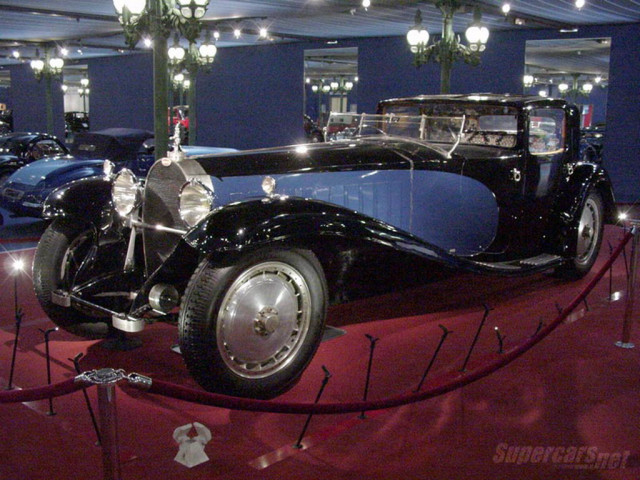
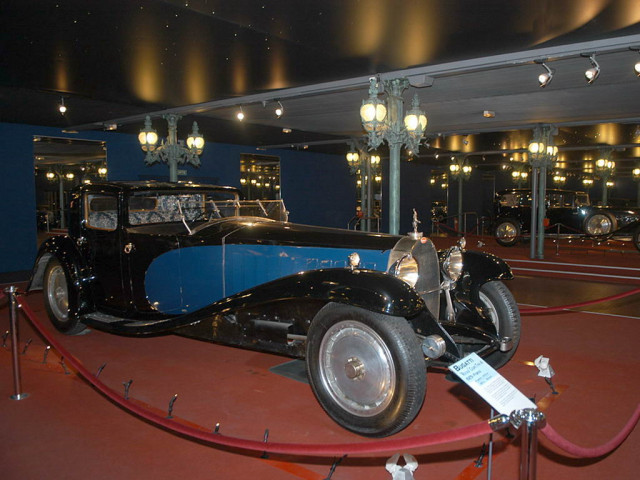
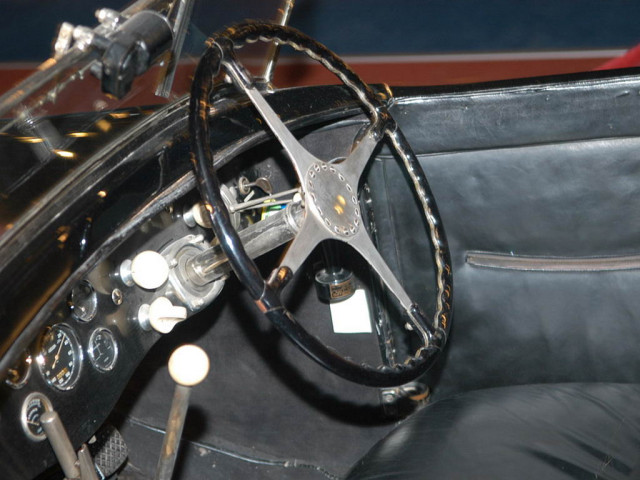
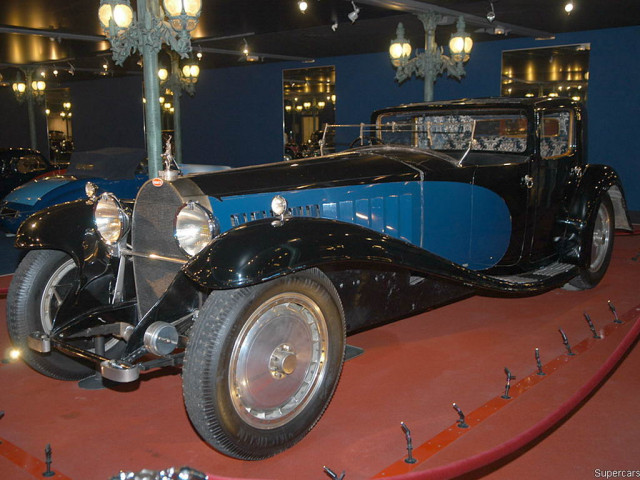
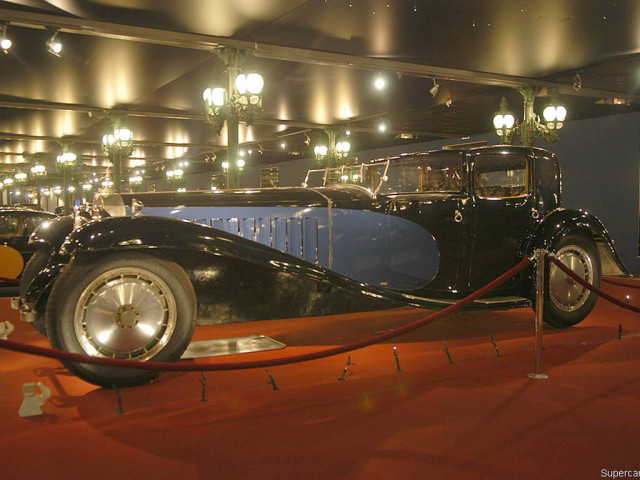
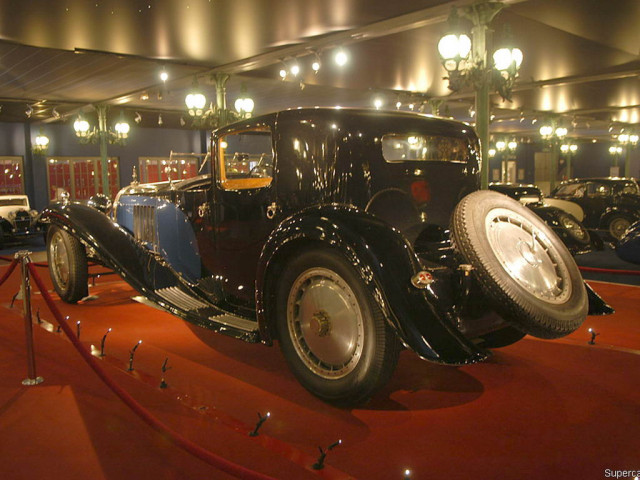
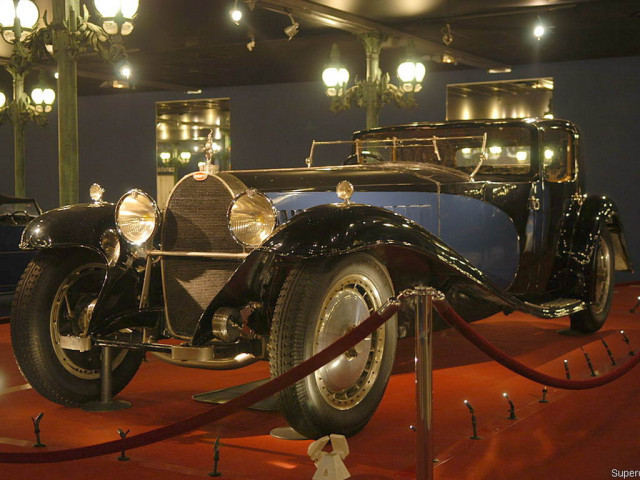
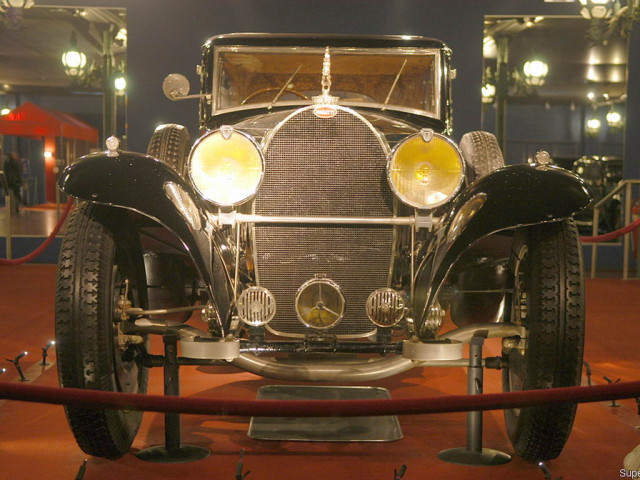
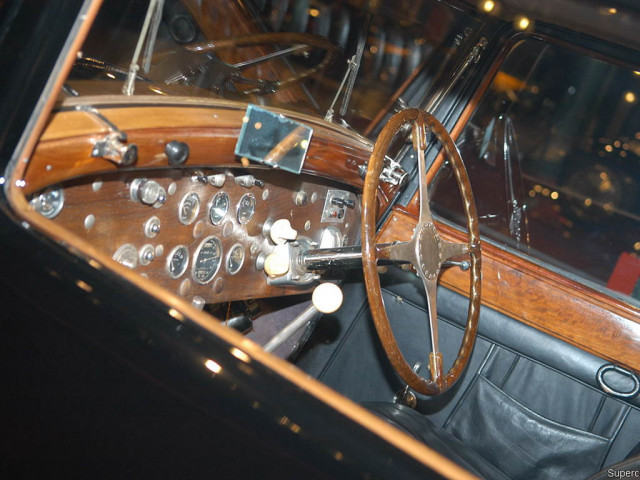
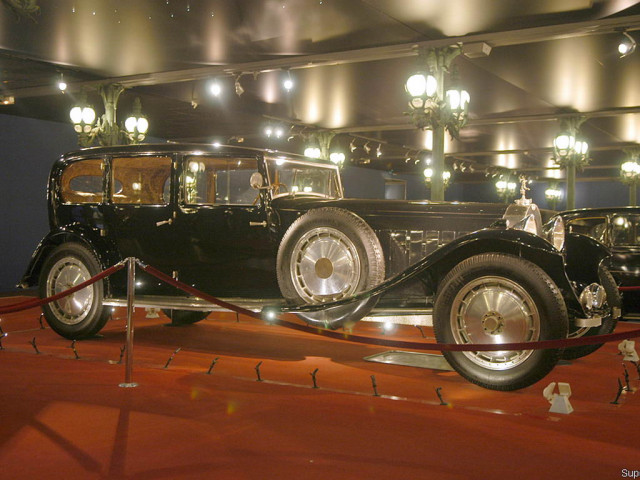
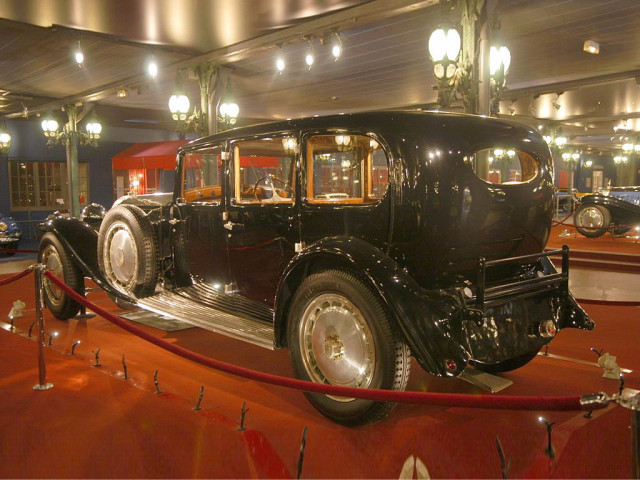
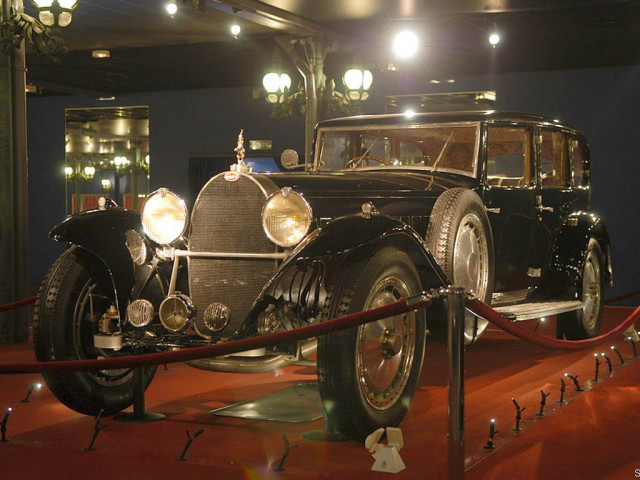
Conceived by Ettore Bugatti to rival the most prestigious automobiles in the world, the Bugatti Type 41 Royale was designed with royalty and ultra-wealthy elites in mind. The massive chassis featured an unprecedented 4,318 mm wheelbase and an overall length exceeding six meters, resulting in a total curb weight around 3,100 kg. Power came from a gargantuan 12.8-litre (12,763 cc) straight-eight aircraft-derived engine with an integral cylinder block and head, producing between 275 and 300 horsepower. This powerhouse was paired with a three-speed manual transaxle integrated into the rear axle assembly, allowing the car to effortlessly reach speeds of 160 km/h with exceptional smoothness. The chassis featured cast aluminium wheels with integrated brake drums, heavy-duty suspension, and the iconic standing elephant mascot sculpted by Rembrandt Bugatti. Only six production chassis were built and bodied by premier coachbuilders, creating legends such as the Coupé Napoleon, Coupé de Ville Binder, Roadster Esders, Park Ward Limousine, and Weinberger Cabriolet. Marketed globally, the onset of the Great Depression severely limited sales, making the Royale one of the rarest and most revered automobiles in history.