Bugatti Type 40A Grand Sport I gallery (1926–1930)
The Bugatti Type 40 was introduced in 1926 as a popular and accessible sports-touring car for private owners.
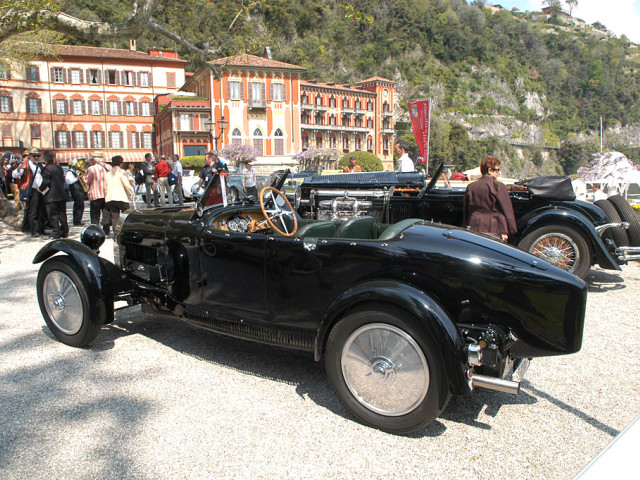
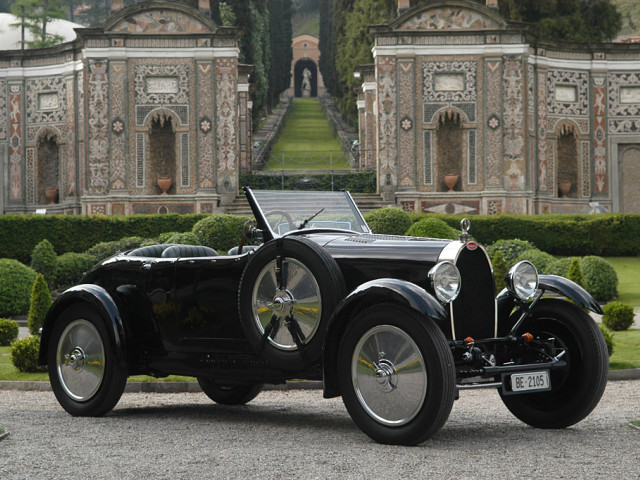
Introduced in May 1926, the Bugatti Type 40 served as an accessible successor to the Type 22 and Type 23 Brescia models, aiming at customers seeking a reliable, high-quality sporting tourer. Built on a sturdy ladder chassis with a wheelbase of 2,710 mm, it shared its suspension layout—semi-elliptic springs at the front and quarter-elliptic springs at the rear—with contemporary Bugatti designs. Under the hood sat a 1.5-litre (1,496 cc) inline-four engine with an overhead camshaft and three valves per cylinder, effectively half of the straight-eight unit used in the Type 38. The engine produced roughly 45 to 50 horsepower, mated to a four-speed manual gearbox delivering power to the rear axle. Available factory body styles included open four-seat tourers, roadsters, fixed-head coupés, and bespoke Fiacre designs. In 1930, the upgraded Type 40A debuted, featuring a larger 1.6-litre engine borrowed from the Type 49 block. The Type 40 was primarily marketed in Western Europe, including France and the United Kingdom, achieving considerable commercial success with over 800 examples produced before production ceased.