Bentley Speed 6 I gallery (1928–1930)
A high-performance sports derivative of the Bentley 6½ Litre chassis that achieved iconic back-to-back victories at the 24 Hours of Le Mans.
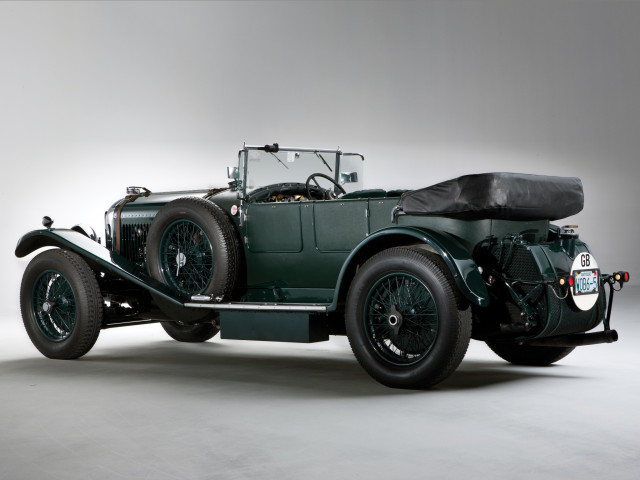
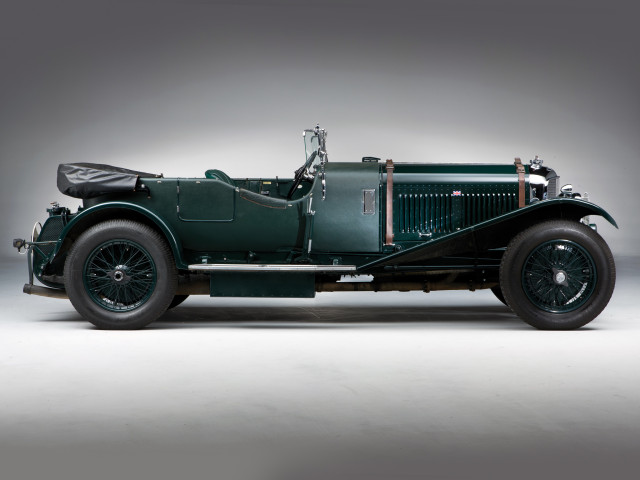
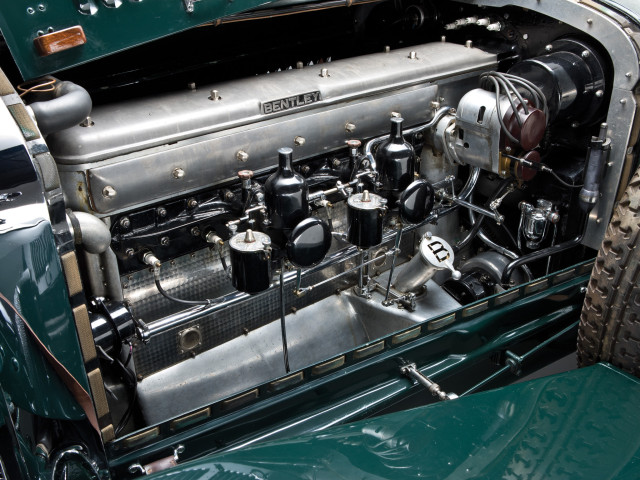
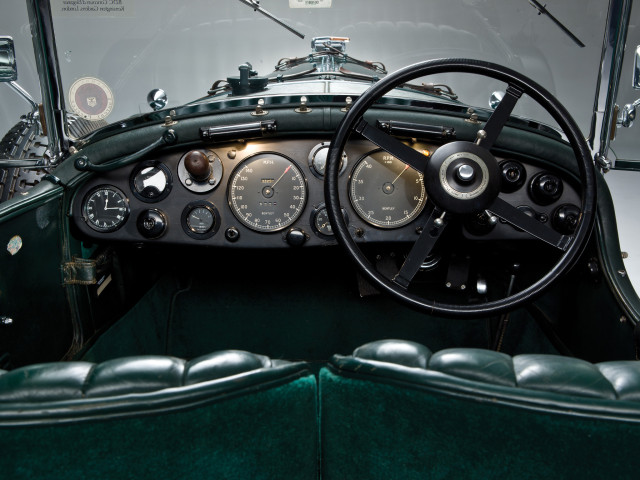
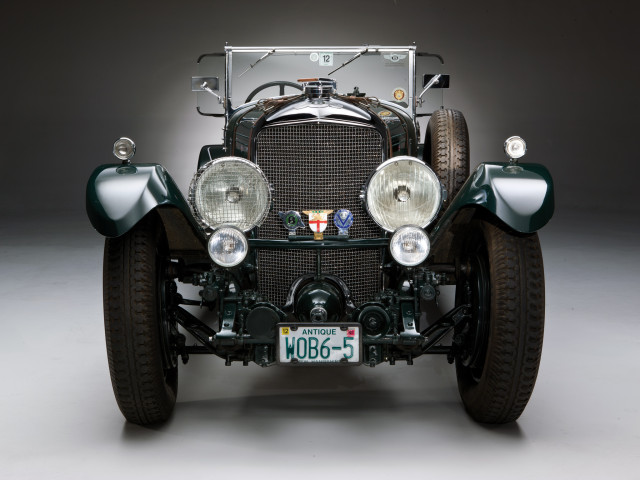
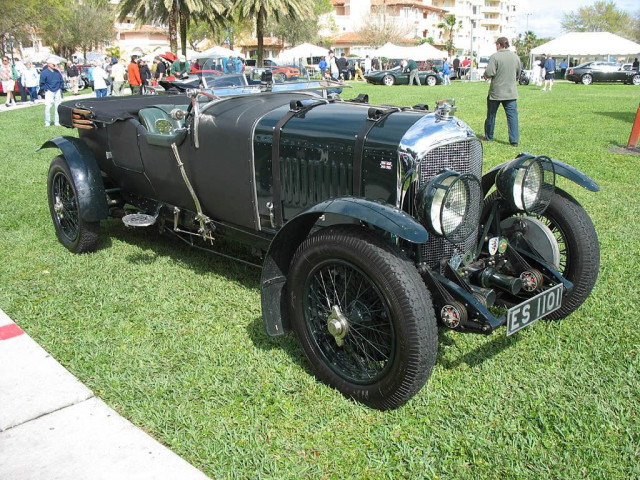
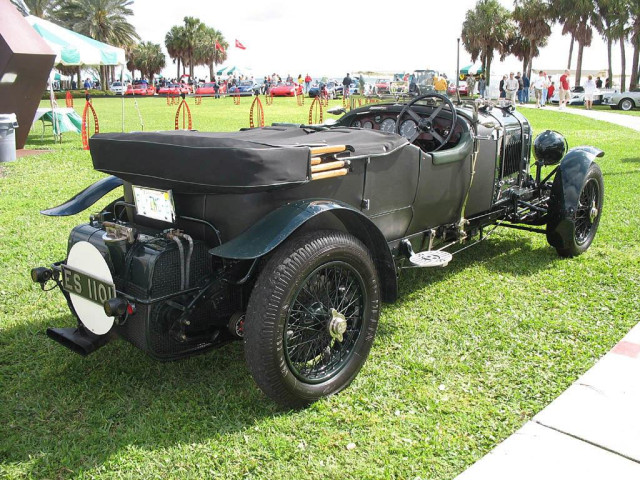
The Bentley Speed Six was introduced in 1928 as a high-performance sporting development of the standard 6½ Litre chassis, cementing the marque's reputation in motorsport history. Built upon a rugged ladder-frame chassis with robust steel crossmembers, the car was fitted with custom coachwork by renowned coachbuilders such as Gurney Nutting, Mulliner, and Vanden Plas, ranging from open tourers and sports saloons to drophead coupés. Power came from a 6.6-litre (6597 cc) naturally aspirated inline six-cylinder engine equipped with a single overhead camshaft, four valves per cylinder, twin spark plugs per cylinder, and twin SU carburetors. Output reached 180 bhp in road guise and up to 200 bhp in competition trim with elevated compression ratios. Power was directed to the rear wheels through an unsynchronised four-speed manual gearbox with a heavy-duty single-plate dry clutch. The chassis featured solid front and live rear axles suspended by semi-elliptic leaf springs and adjustable friction dampers. Braking was handled by large-diameter mechanical drums on all four wheels with a mechanical servo mechanism. The Speed Six scored consecutive victories at the 24 Hours of Le Mans in 1929 and 1930 with the famous Bentley Boys at the wheel. Exactly 182 units were produced during its lifecycle, leaving a lasting legacy in British automotive engineering.