Chinese Automakers Account for Over Half of Exhibitors at 2026 Paris Auto Show
Of the 21 automakers exhibiting at the 2026 Paris Auto Show, 11 were Chinese brands. In August, Chinese marques accounted for nearly 12 percent of new vehicle sales across the European Union and the U.K., with regional sales on pace to exceed 1 million units this year. Rather than starting at the entry level, Chinese manufacturers are directly targeting European premium and luxury segments with high-tech, opulent vehicles at lower prices. Meanwhile, BMW skipped the show to cut costs following a July profit warning and a 30 percent drop in Chinese sales, and Jaguar Land Rover also stayed away, missing a chance to showcase the Jaguar Type 01.
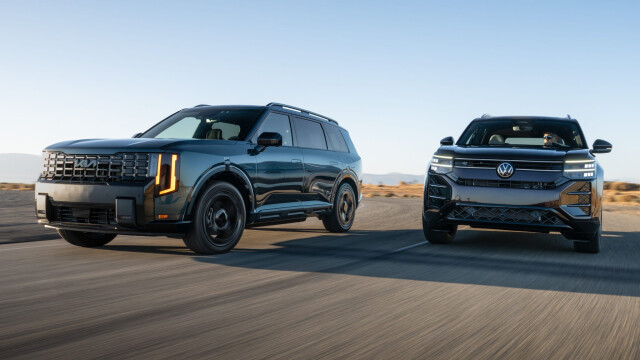
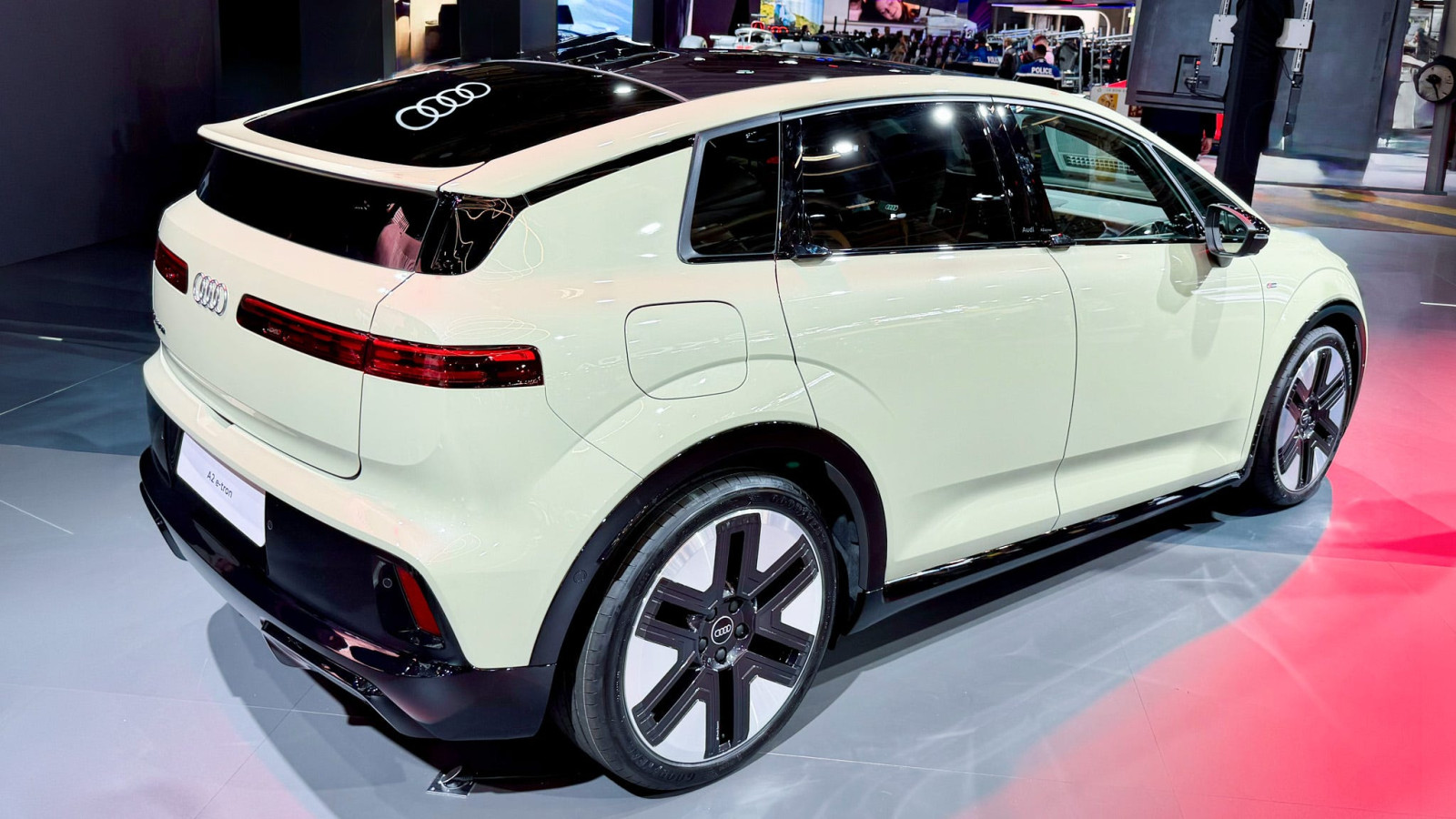
European legacy brands responded differently. Volkswagen highlighted the electric ID.Tiguan, Audi displayed its retro-inspired A2 E-Tron, and Ford promoted its "Ready, Set, Ford" campaign promising five rally-bred European models by 2029, including a B-segment EV on Renault's AmpR architecture and a downsized plug-in hybrid Bronco. However, the strongest European pushback came from Renault Group and Stellantis, whose design chief Ralph Gilles presented concepts across Alfa Romeo, Citroën, DS, Fiat, Lancia, Opel, and Peugeot.
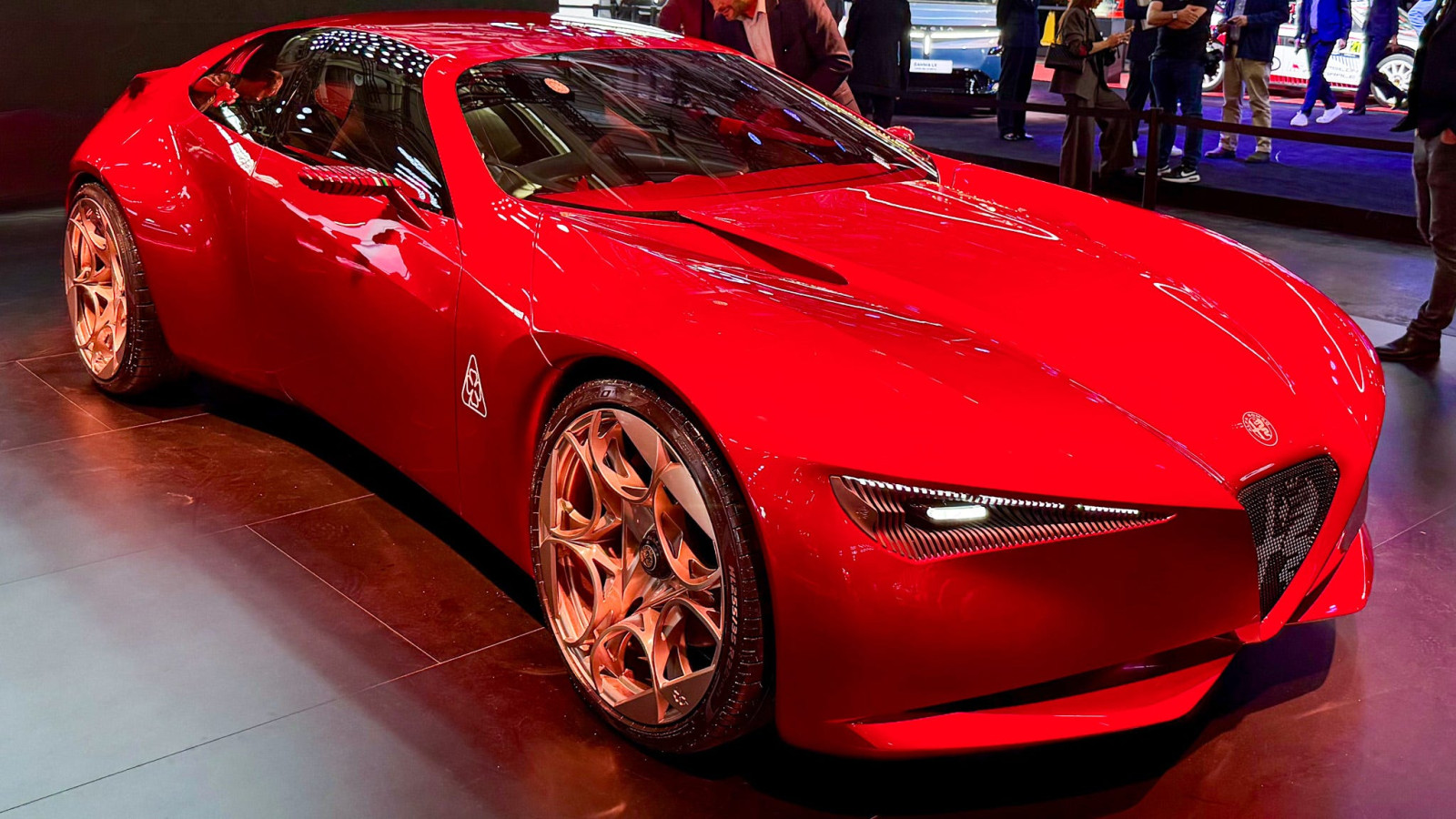
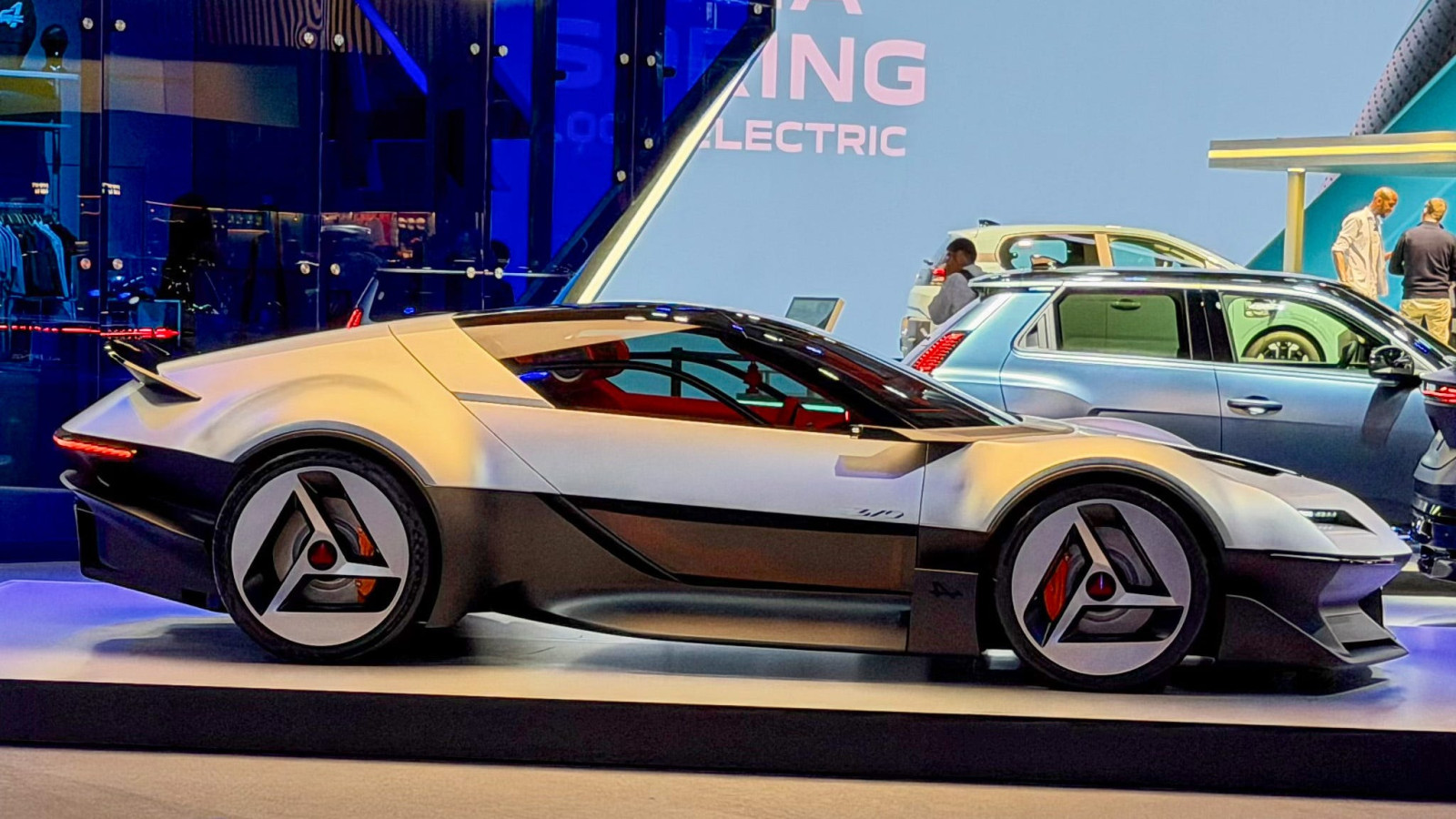
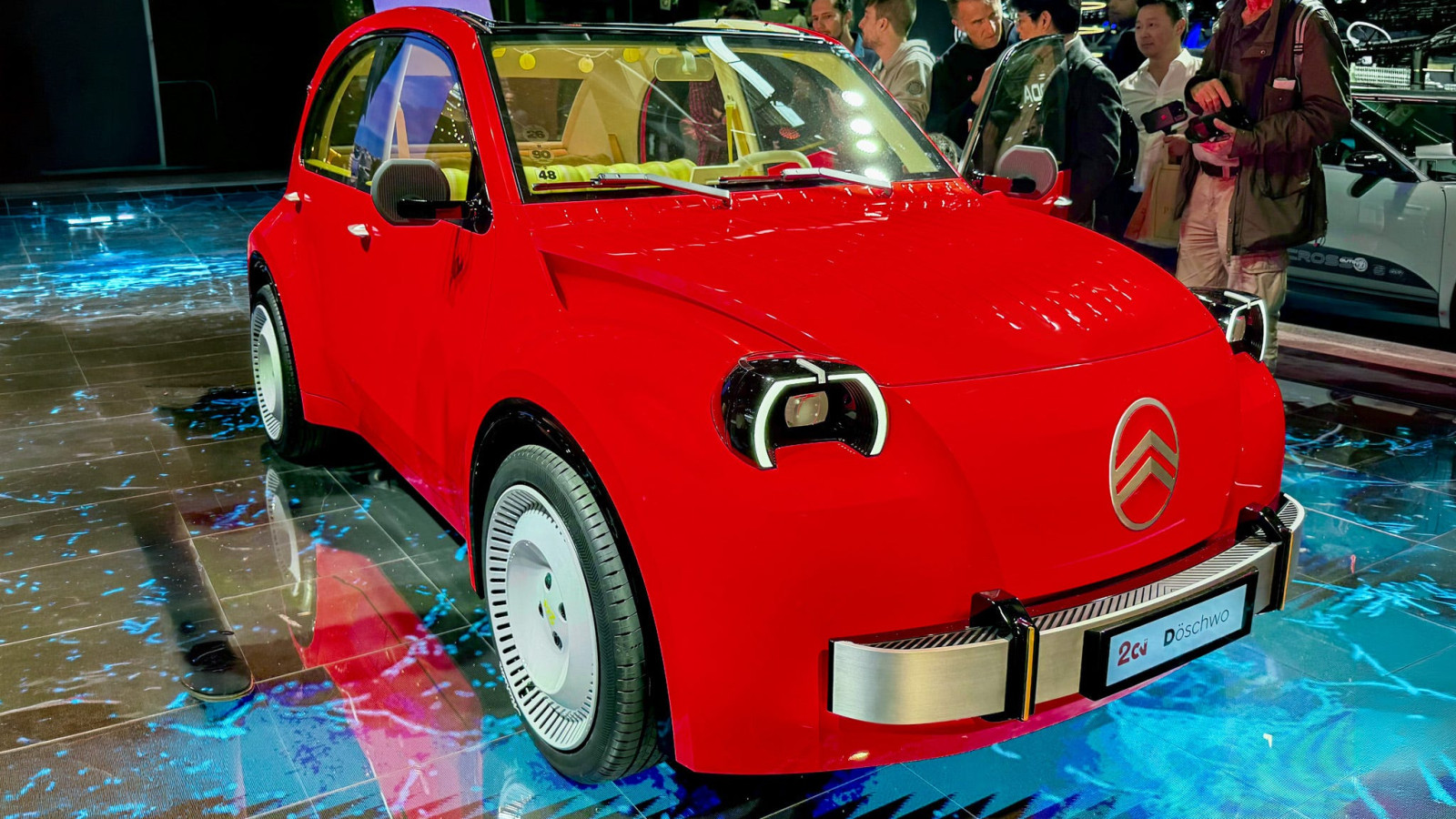
Among the standout debuts, the Alfa Romeo Cuorerosso concept, designed by Alejandro Mesonero on a revised rear-wheel-drive Giorgio Sport platform, features a screenless cabin and previews a potential production car with a twin-turbo hybridized 2.9-liter V-6. The Alpine A310 Vision reinterprets the 1970s coupe on the flexible APP platform, which supports rear- or all-wheel drive, dual battery placement, and even internal combustion engines. Audi's rear-drive MEB-based A2 E-Tron offers four outputs from 168 to 322 hp and 52, 61, or 84 kWh batteries. The Citroën 2CV Concept previews a 2028 production EV targeting a 2,200-pound weight, 125-mile range, and $15,000 price tag.
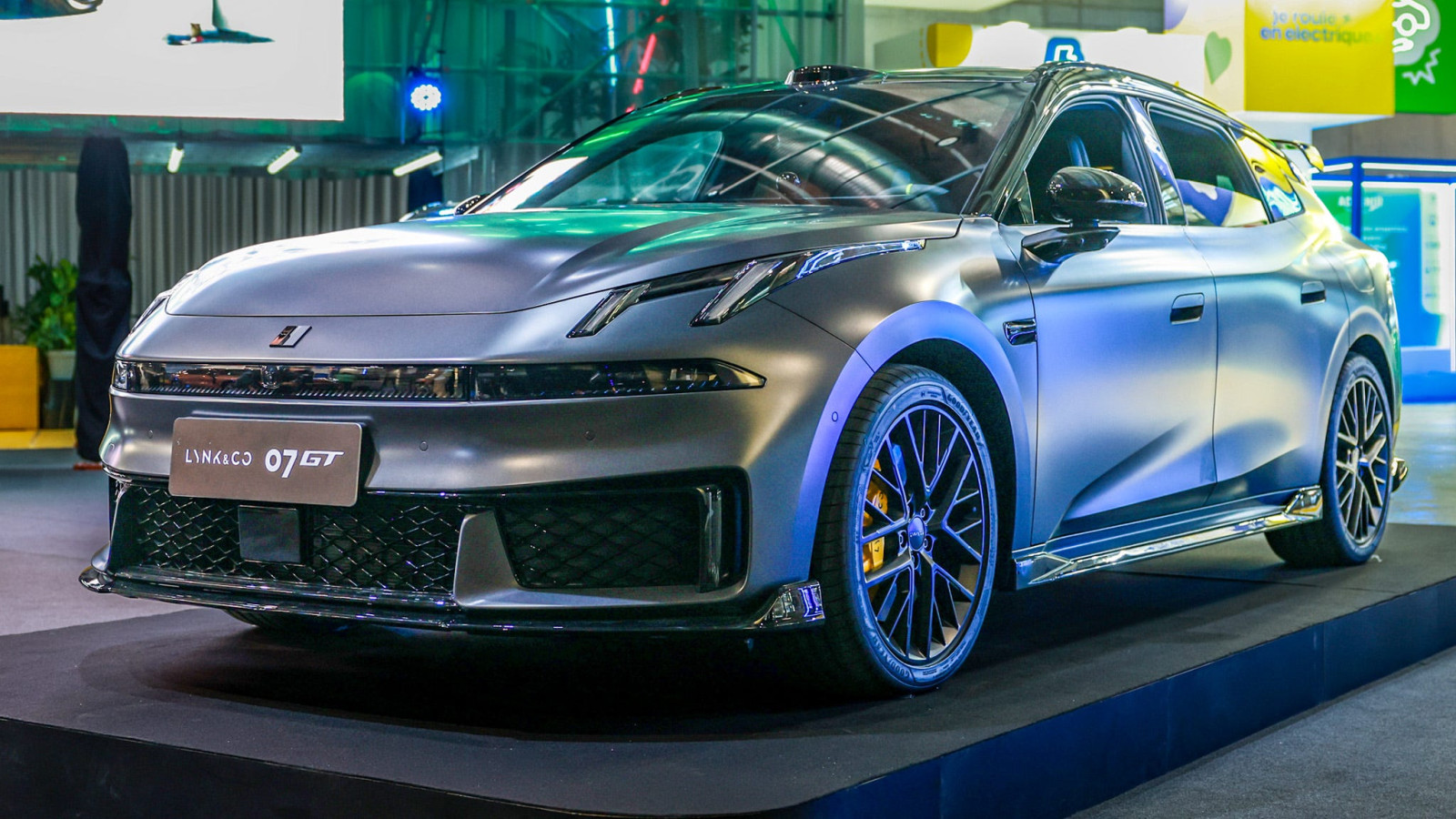
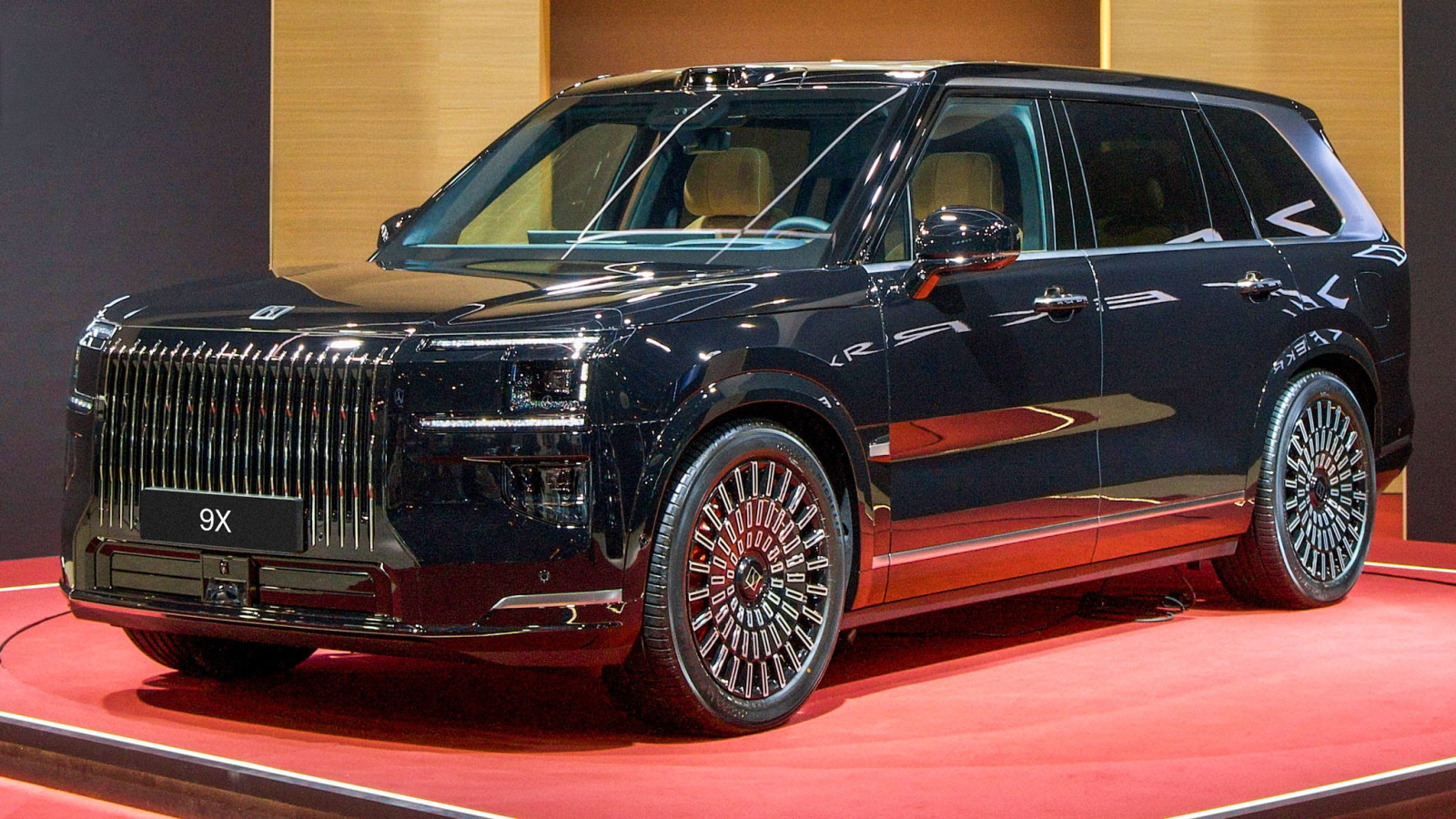
Chinese high-end and mainstream offerings drew significant attention. The Denza Z Spider convertible supercar packs a tri-motor 1,579-hp, 929-lb-ft powertrain, hitting 60 mph in under 2.3 seconds and 186 mph top speed, paired with a 76-kWh BYD battery capable of charging from 10 to 97 percent in nine minutes at 1,500 kW for a 249-mile WLTP range. Geely unveiled the European production Project K011 off-roader on the Geely Terrain Architecture (GTA), switching from China's 1,129-hp EREV setup to athree-motor, 1.5-liter plug-in hybrid with AI terrain adaptation. Li Auto's European-market Li 6 EV crossover uses a 96-kWh battery, 800-volt architecture with 500-kW charging, and 335-hp RWD (398-mile WLTP range) or 536-hp AWD (348-mile range) setups. Lynk & Co showed the 07GT plug-in hybrid shooting brake with 402 hp (FWD) or 523 hp (AWD), a 28.3-kWh battery, a 1.5-liter turbo engine, and up to 817 miles of total range. Zeekr launched its Range Rover-sized 9X plug-in hybrid SUV in Europe for $137,000, featuring 897 hp, 690 lb-ft, a 55-kWh battery on a 900-volt architecture, a 458-mile total range, six seats, and a 3,868-watt, 32-speaker Naim audio system.
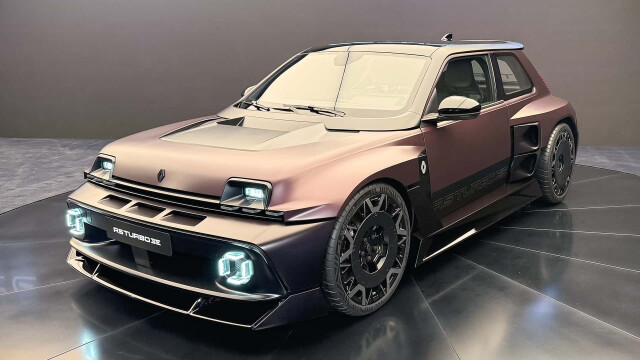
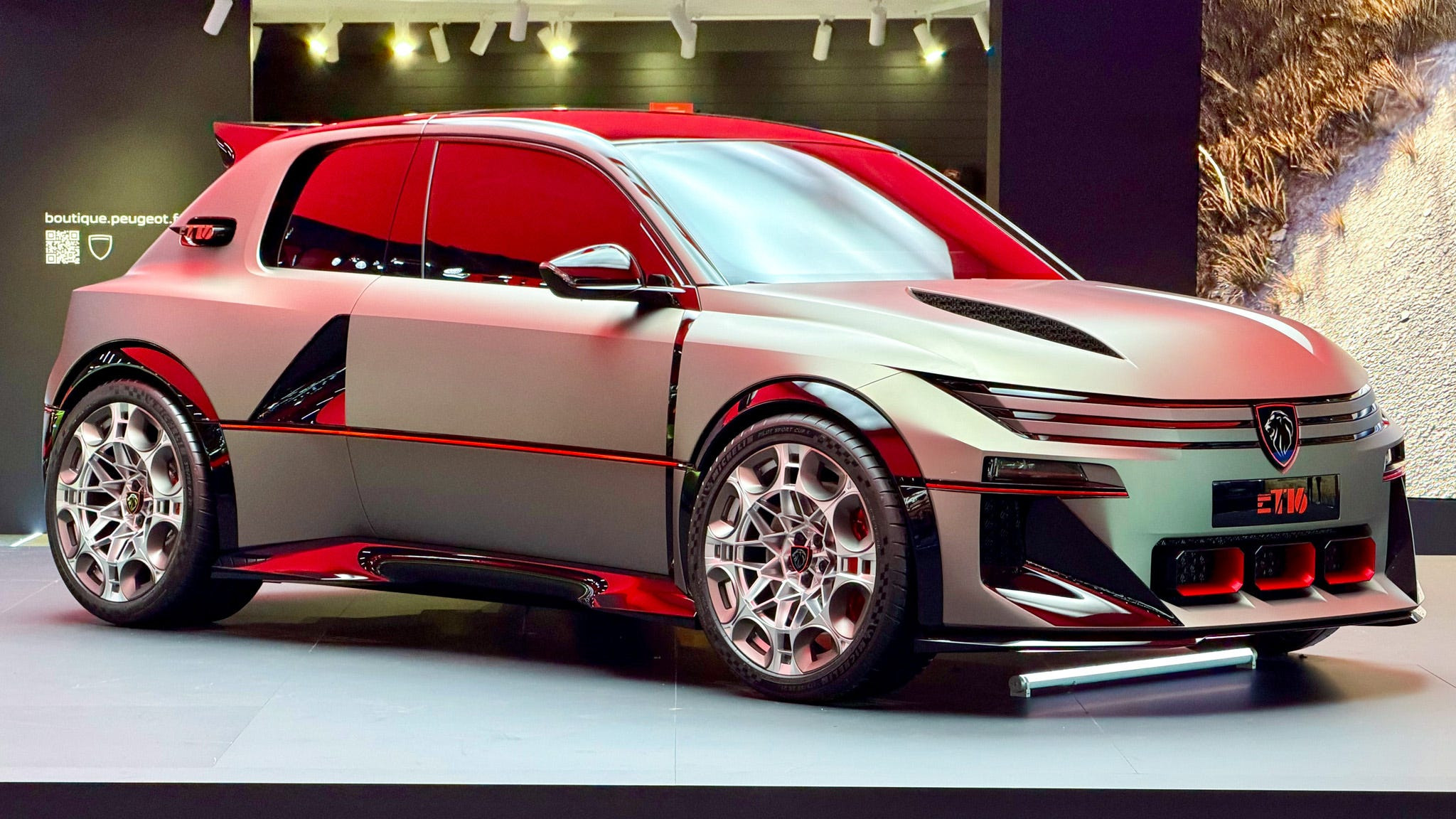
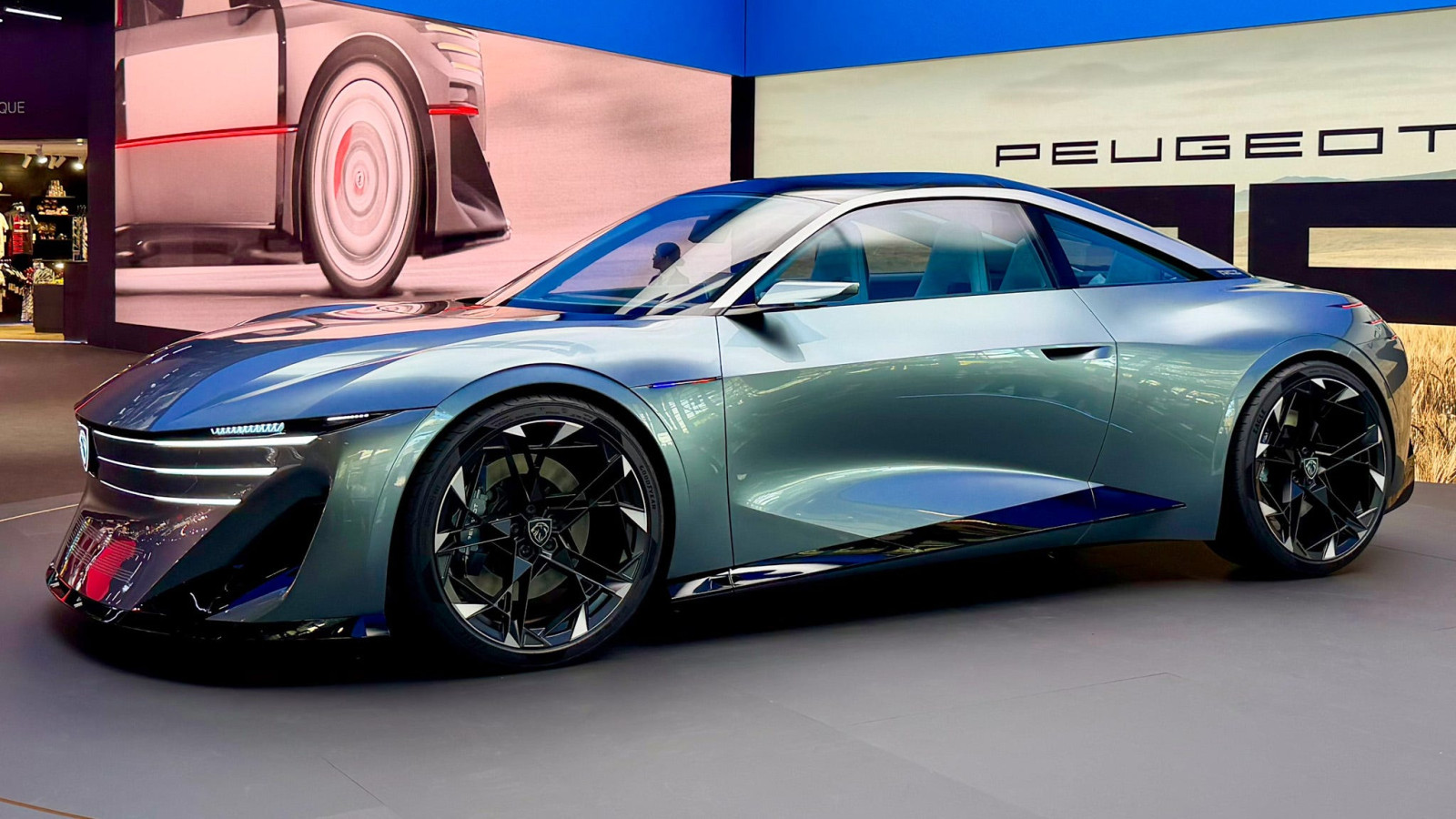
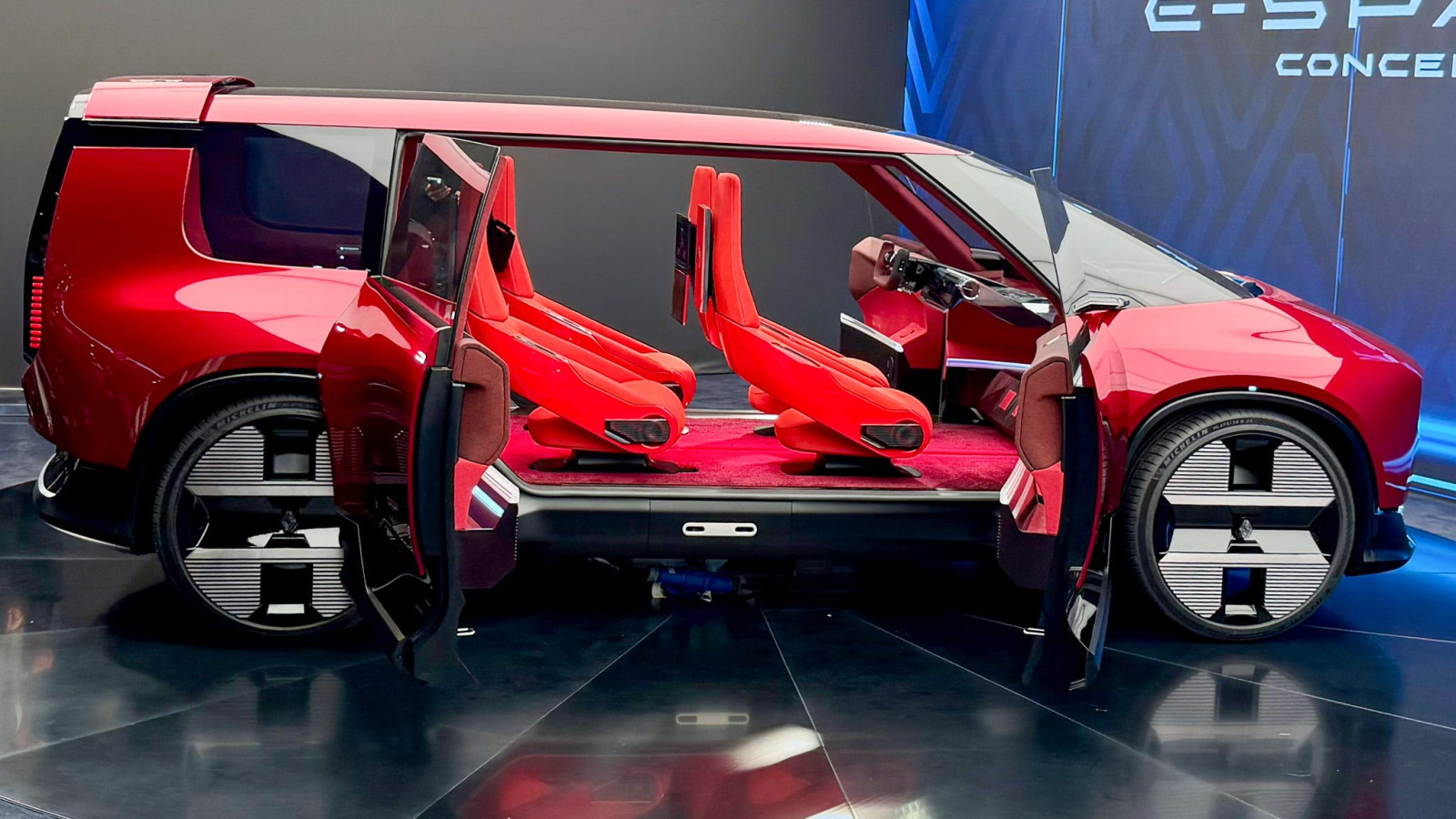
Other notable stars included the Fiat Multiplay pickup-to-six-seat-SUV concept; the low-slung Opel STX wagon concept designed around future 2029–2030 solid-state batteries; the 805-hp tri-motor Peugeot E-T16 with an 85-kWh battery and potential 1,000-unit production run over $230,000; the aggressive Peugeot RCZ EV coupe concept on the STLA One platform; the autonomous-ready Renault E-Space minivan concept; the 555-hp, 3,200-pound carbon-fiber Renault RS Turbo 3E limited to 1,980 units at $180,000; and the tiny 108.1-inch-long Smart #2 city EV with 82 hp, a 35.8-kWh battery, and 180 miles of range.
Photos
More news