Bugatti Type 57 I gallery (1934–1940)
The legendary grand tourer developed by Jean Bugatti, representing the pinnacle of pre-war Bugatti engineering.
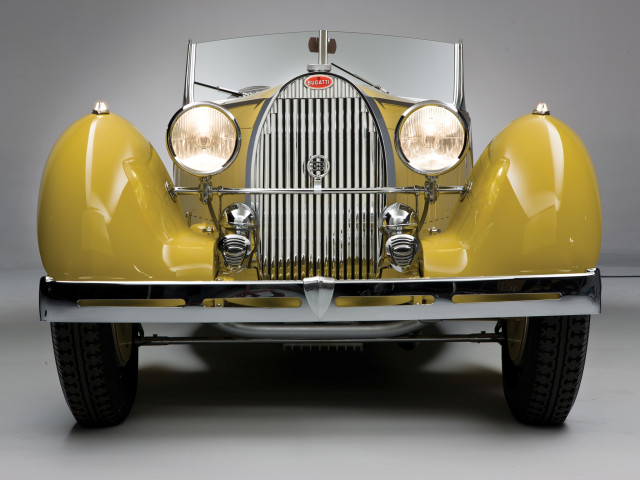
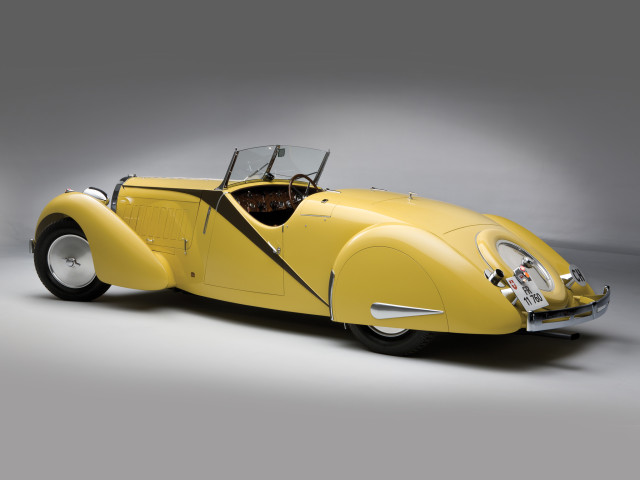
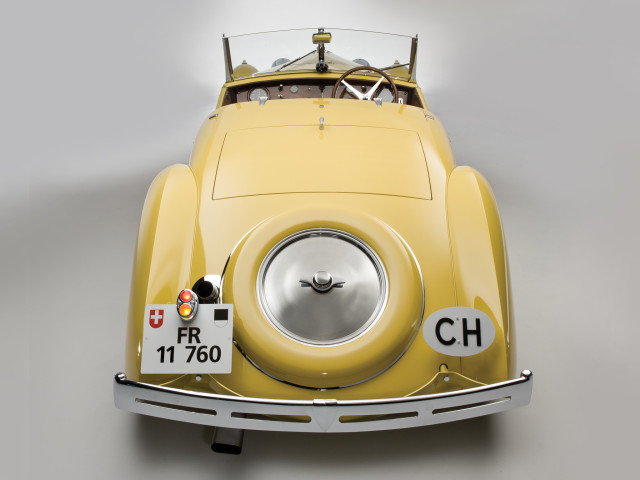
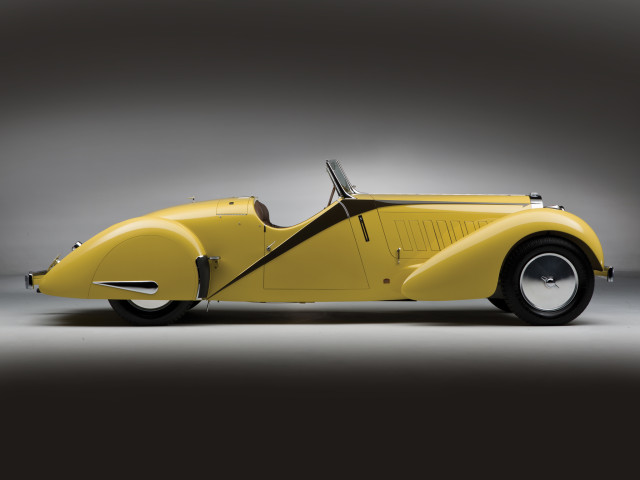
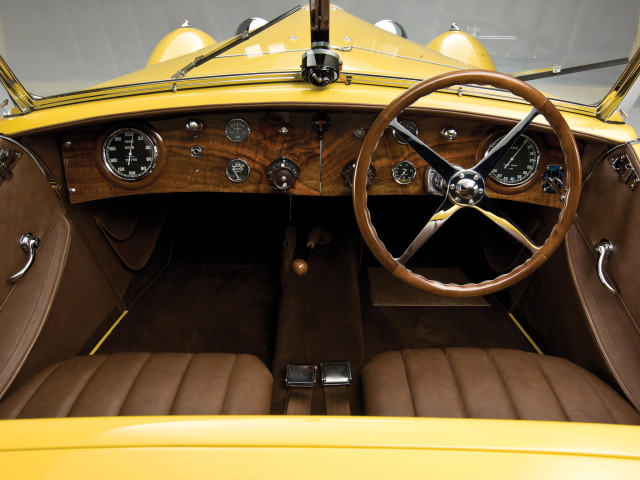
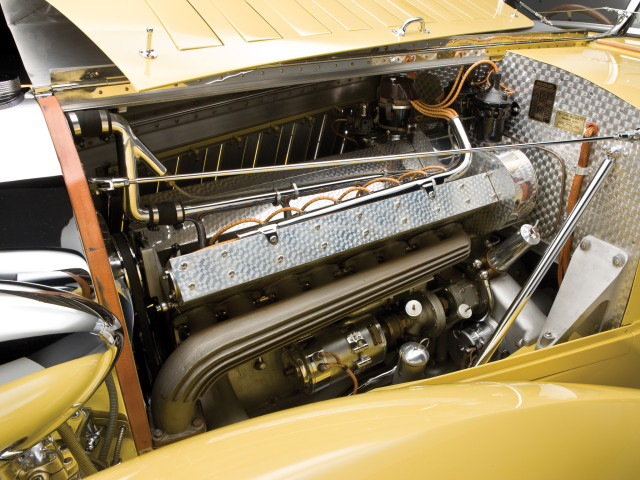
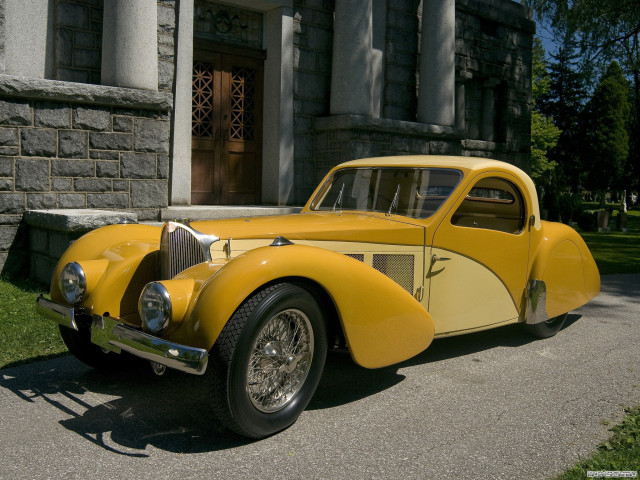
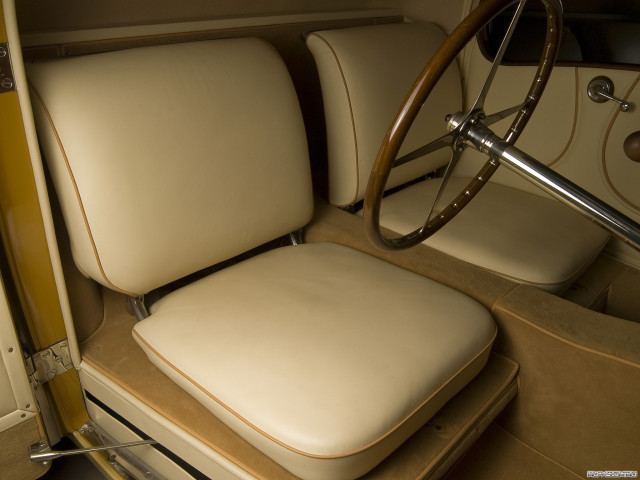
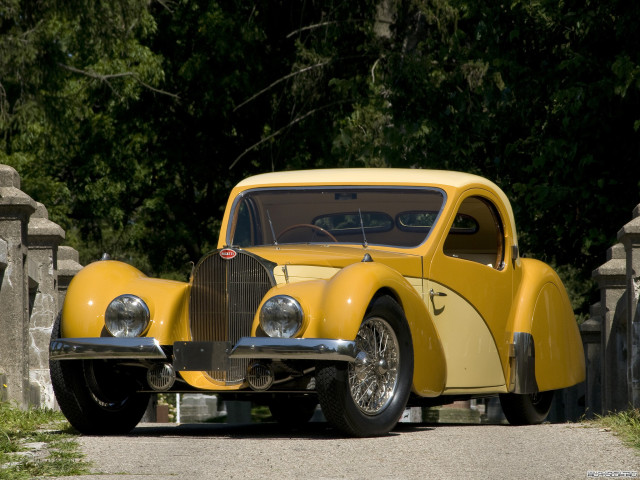
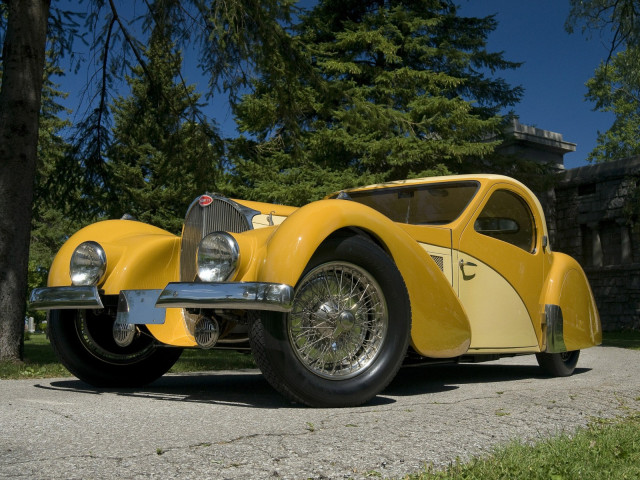
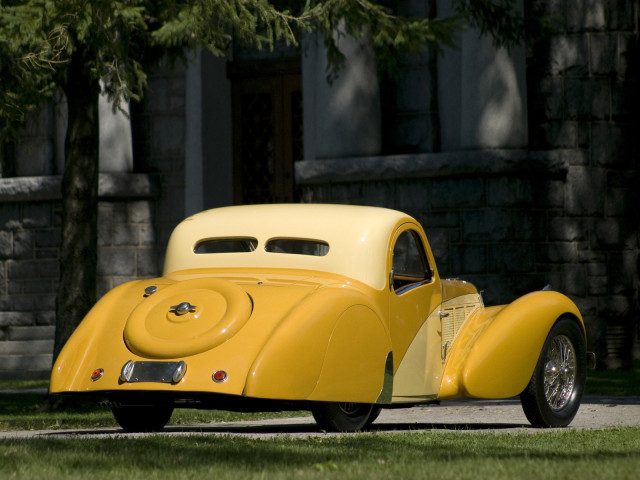
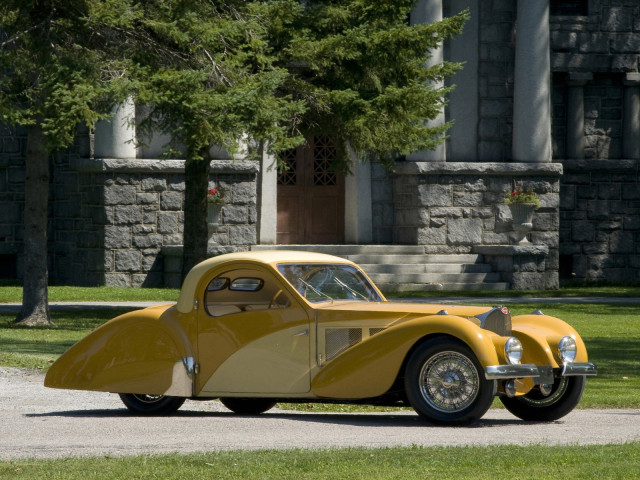
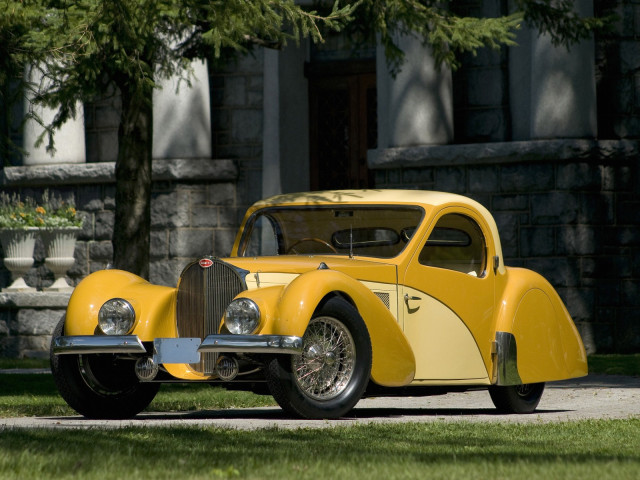
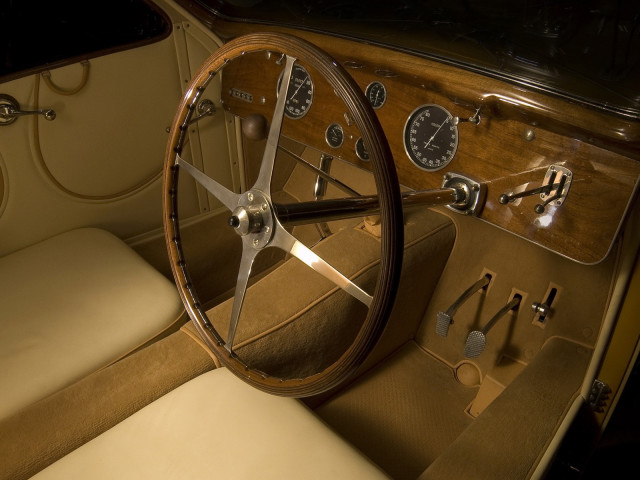
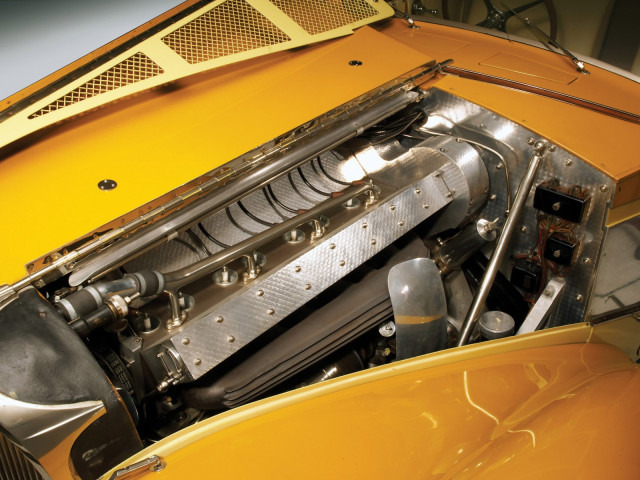
Introduced in 1934, the Bugatti Type 57 was masterminded by Jean Bugatti, son of company founder Ettore Bugatti, and became the most successful road-going model of the marque's pre-war era. The vehicle was built on a sturdy ladder-frame chassis featuring rigid solid axles with front semi-elliptical and rear quarter-elliptical leaf springs. Under the hood sat a 3.3-liter (3257 cc) dual overhead camshaft (DOHC) inline-eight engine producing approximately 135 hp in standard guise, with supercharged variants such as the 57C and 57S delivering between 160 and 200 hp via a Roots-type blower. Power was transmitted to the rear wheels through a four-speed manual gearbox. Factory body offerings designed in-house included the Galibier four-door saloon, Ventoux two-door coach, Stelvio cabriolet, and Atalante coupe, in addition to the extremely rare and iconic Atlantic. Throughout its production lifespan, the Type 57 received meaningful technical updates, most notably the transition from cable-operated drum brakes to Lockheed hydraulic brakes in 1938, alongside rubber engine mounts and chassis stiffening. Marketed across Europe and North America, around 710 units were produced before World War II halted manufacturing.