Dacia's Striker Brings Affordable Versatility to the European Market
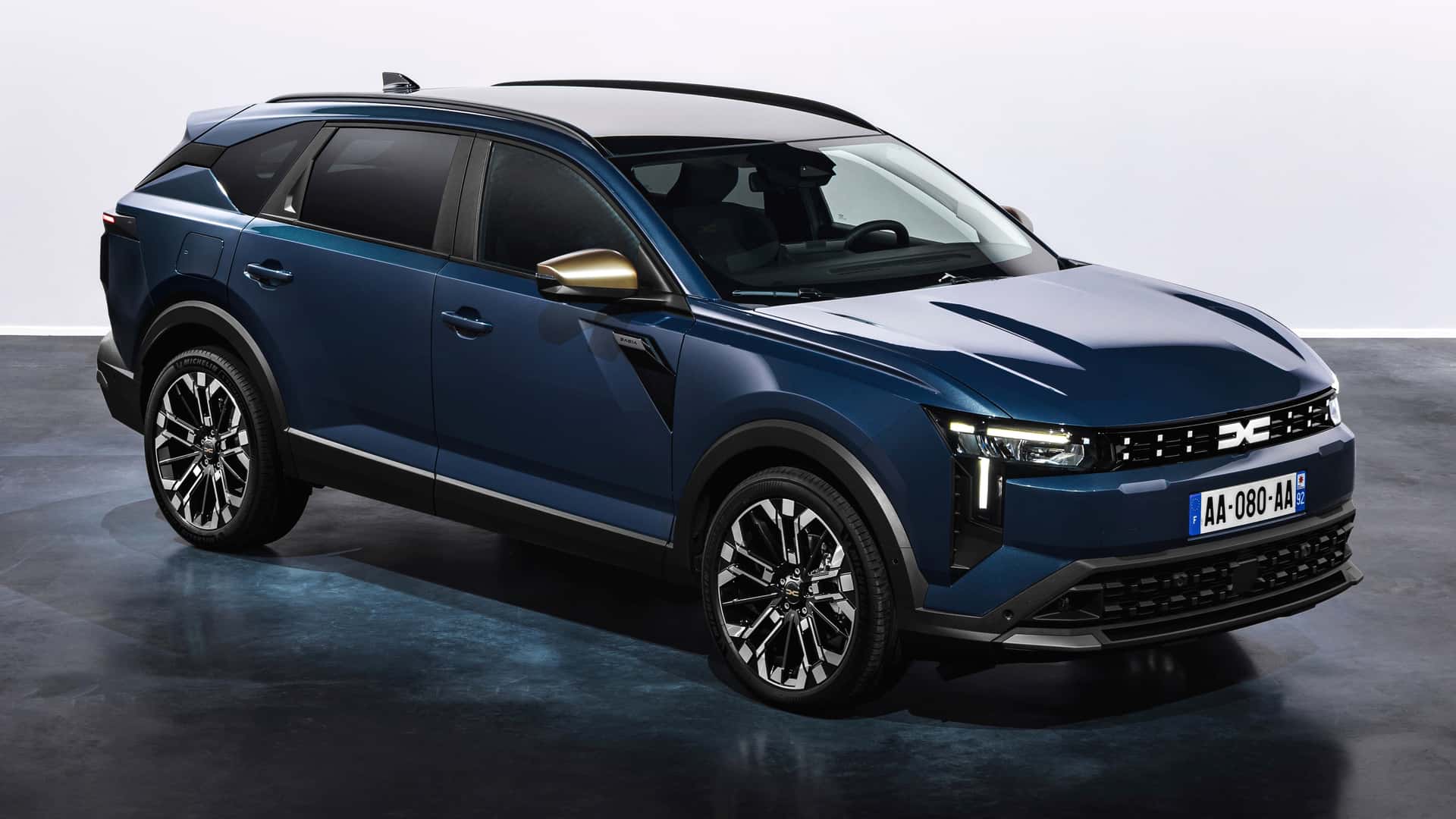
Dacia has introduced the Striker, a new compact model designed to blend everyday practicality with a tougher, more adventurous look. Positioned as a budget-friendly alternative to expensive raised wagons, it aims to offer the kind of flexibility many drivers want without the premium badge tax.
The Striker sits between a traditional estate and an SUV, giving buyers a vehicle that is meant to be useful, efficient, and easy to live with. It is also a sign of how far Dacia has evolved under Renault ownership, with the brand now offering a more polished and modern product while still keeping costs in check.
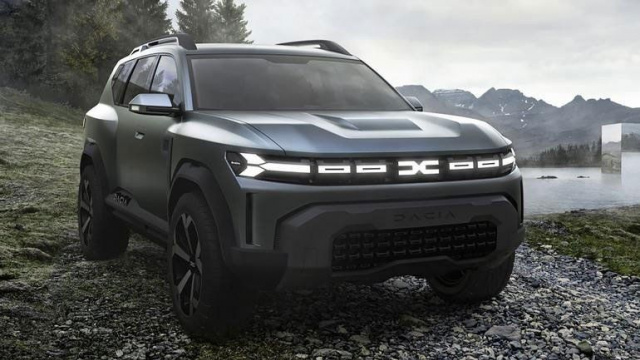
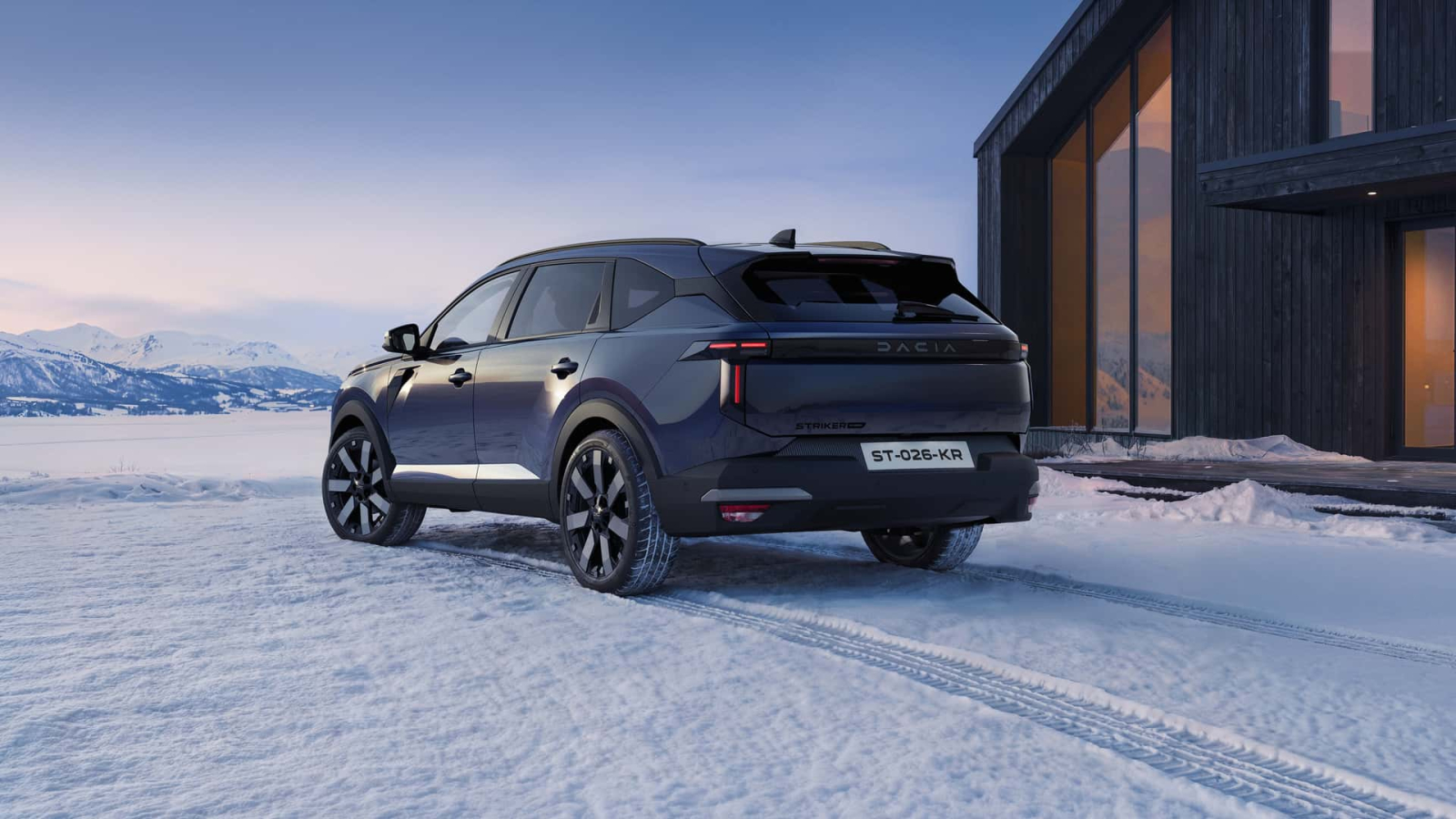
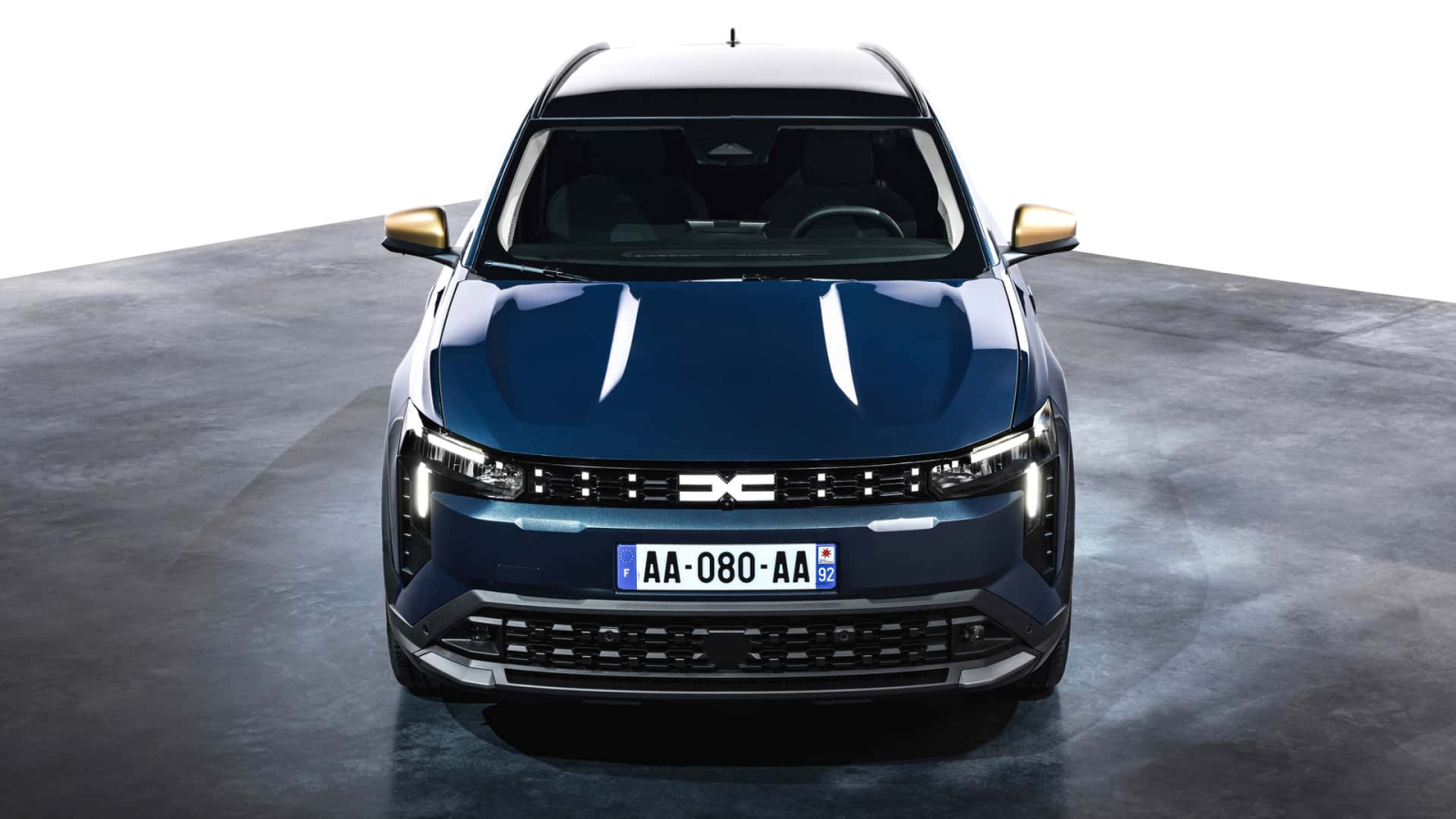
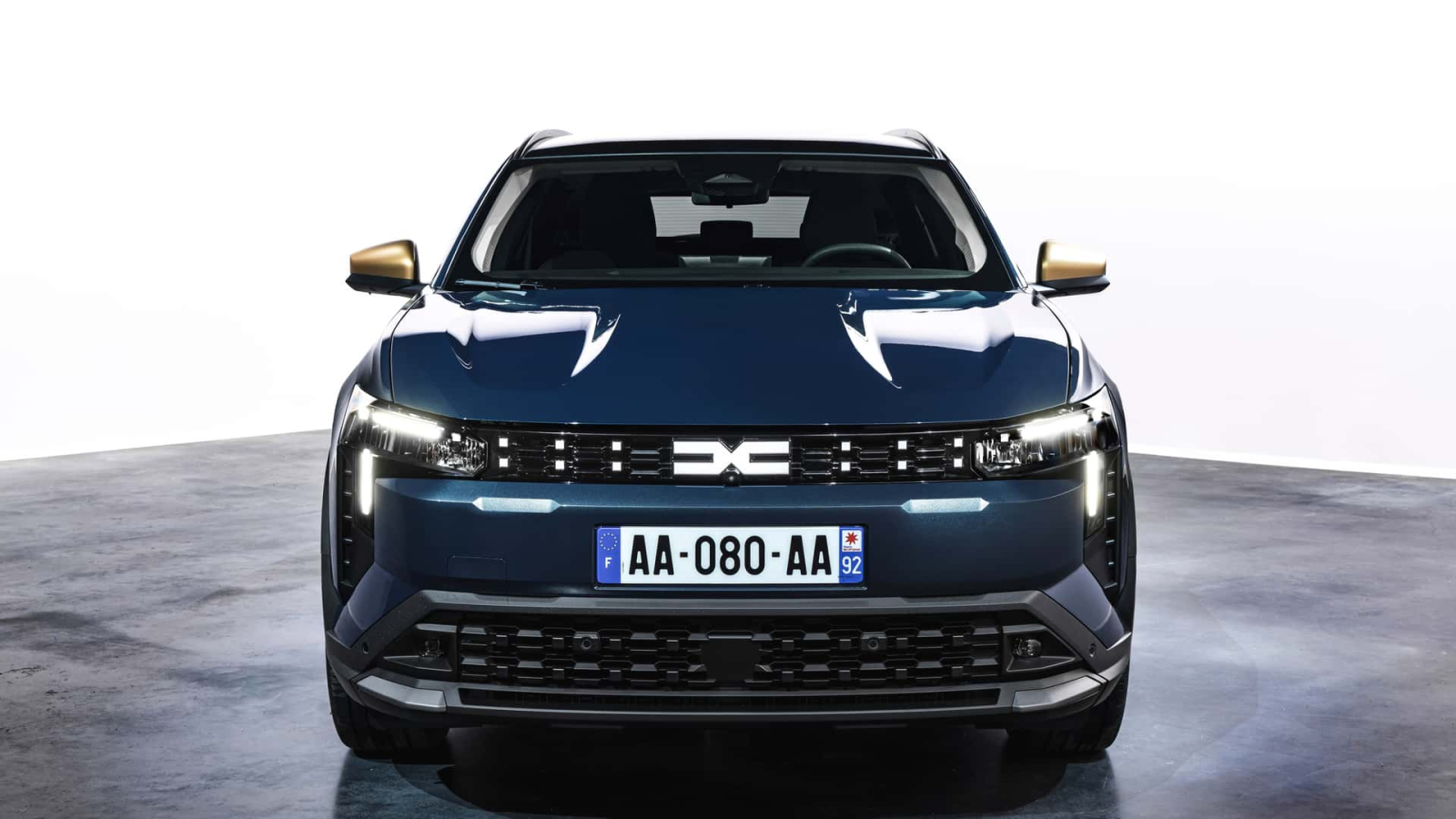
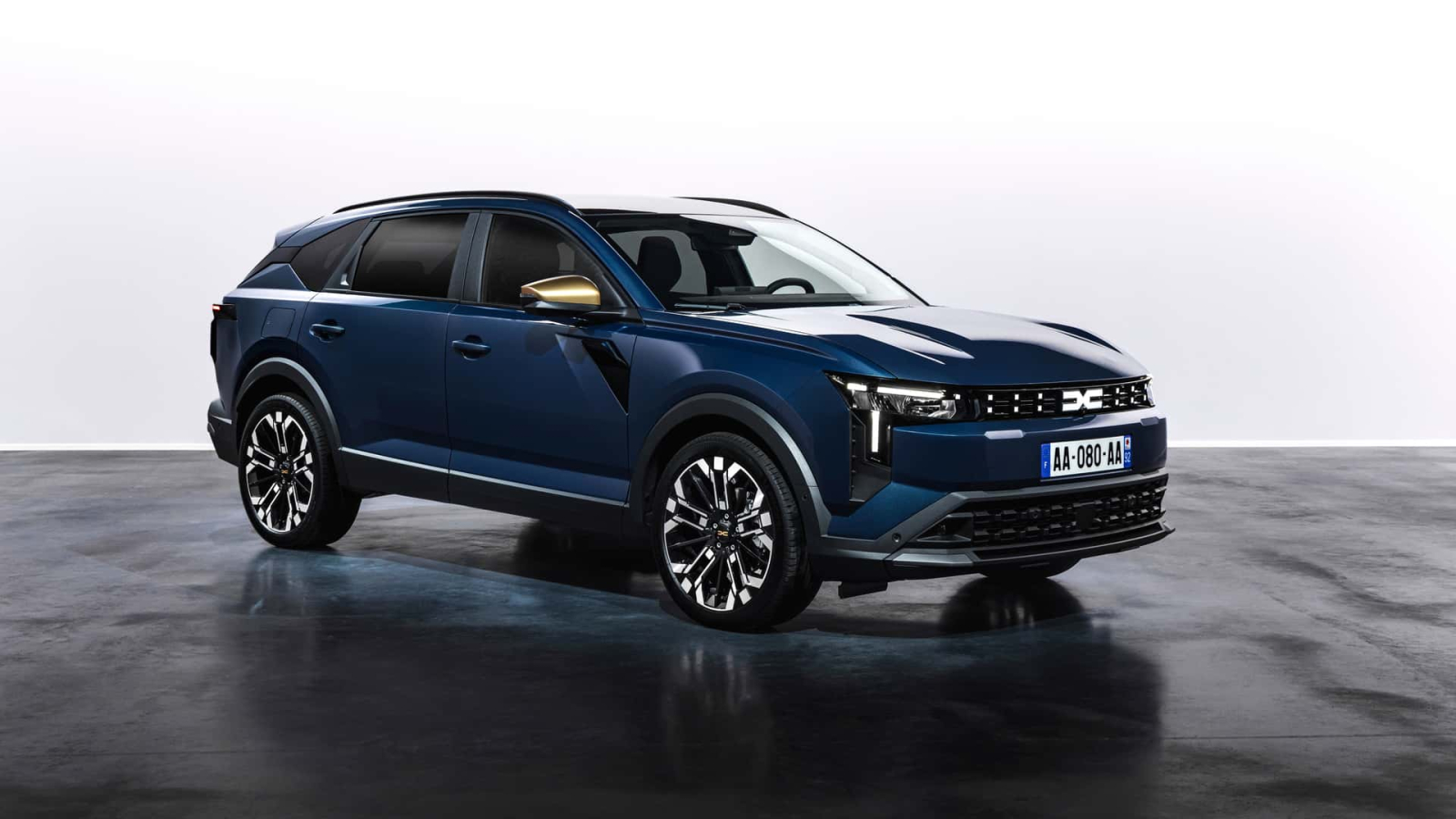
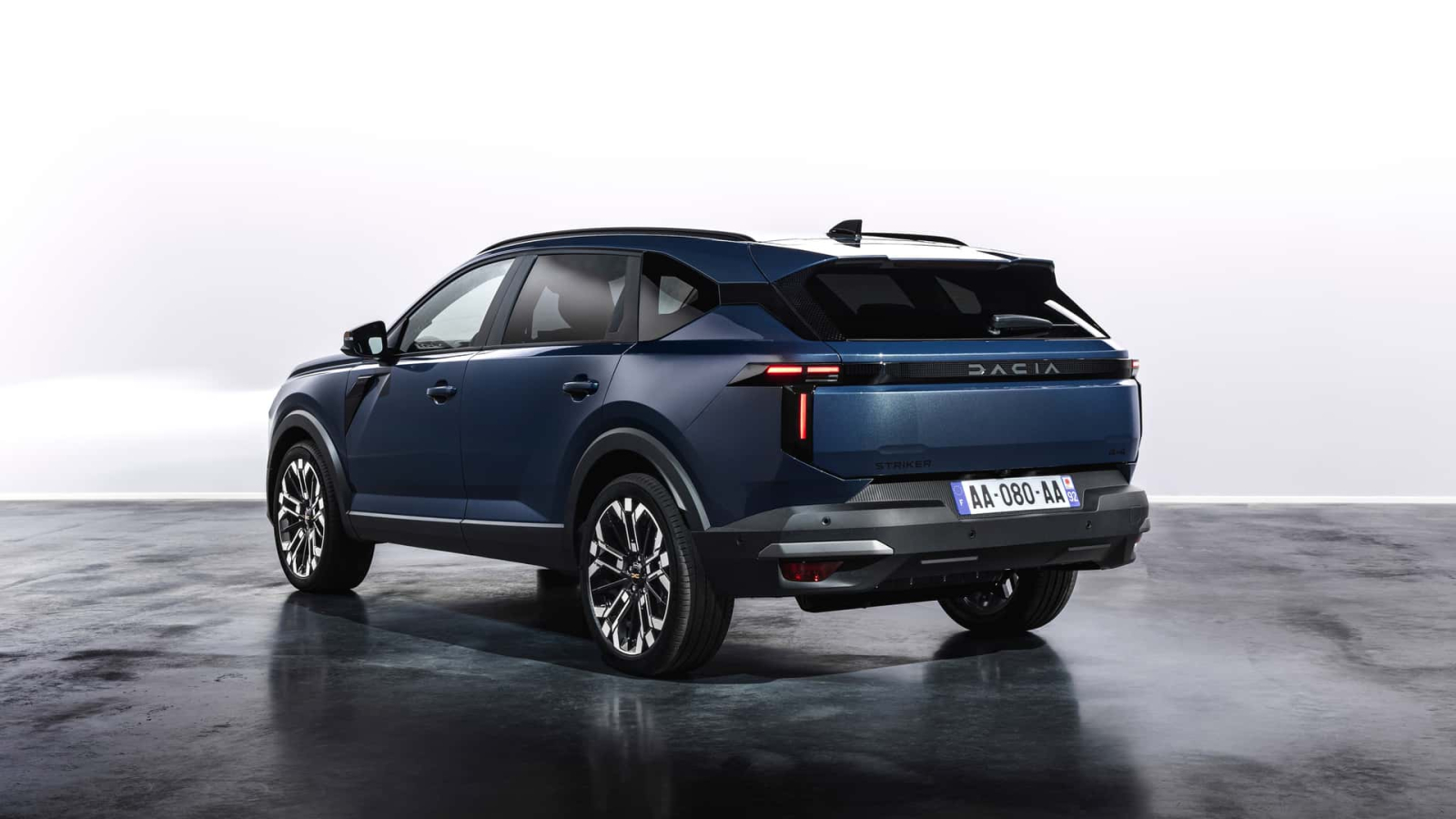
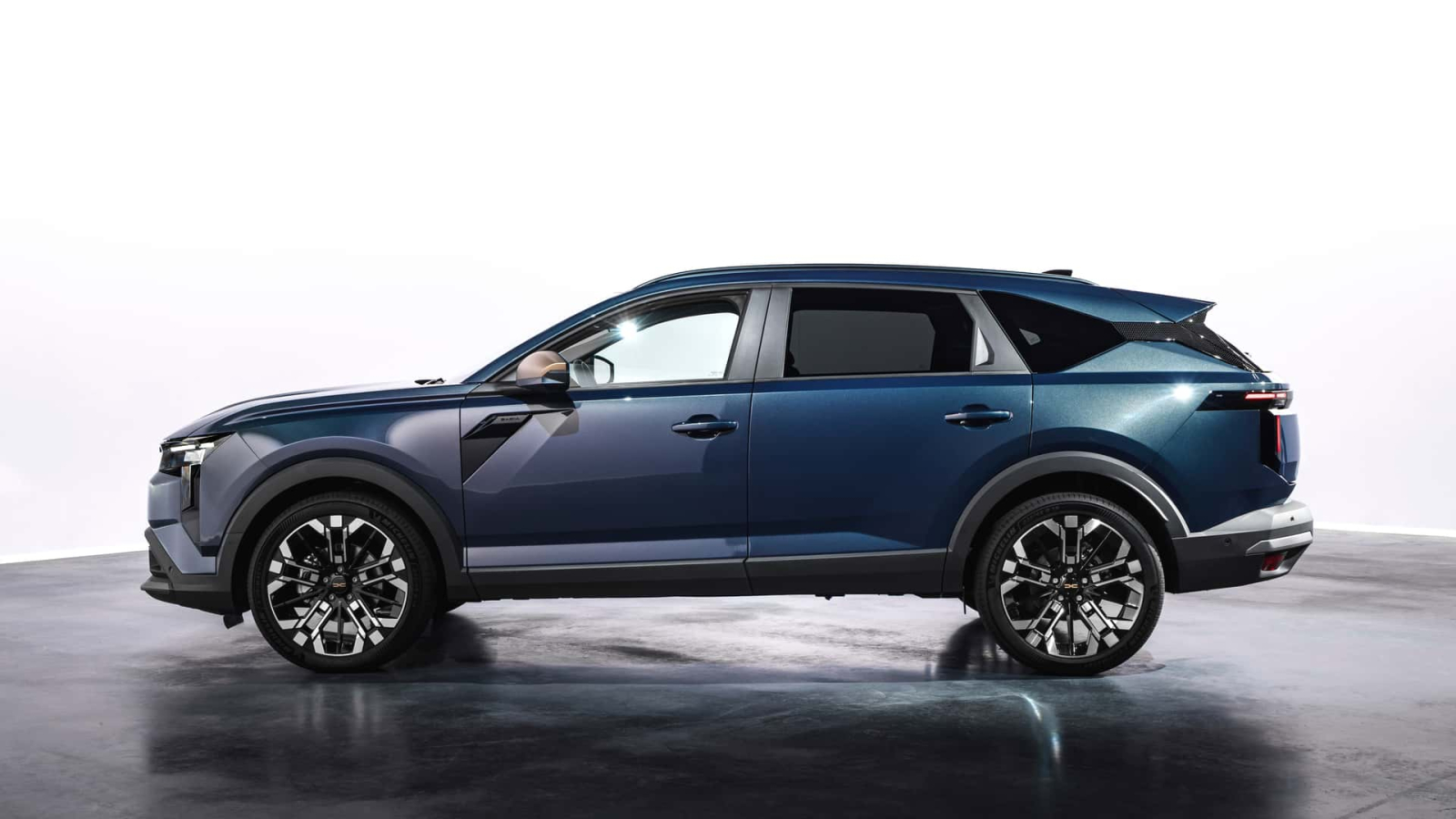
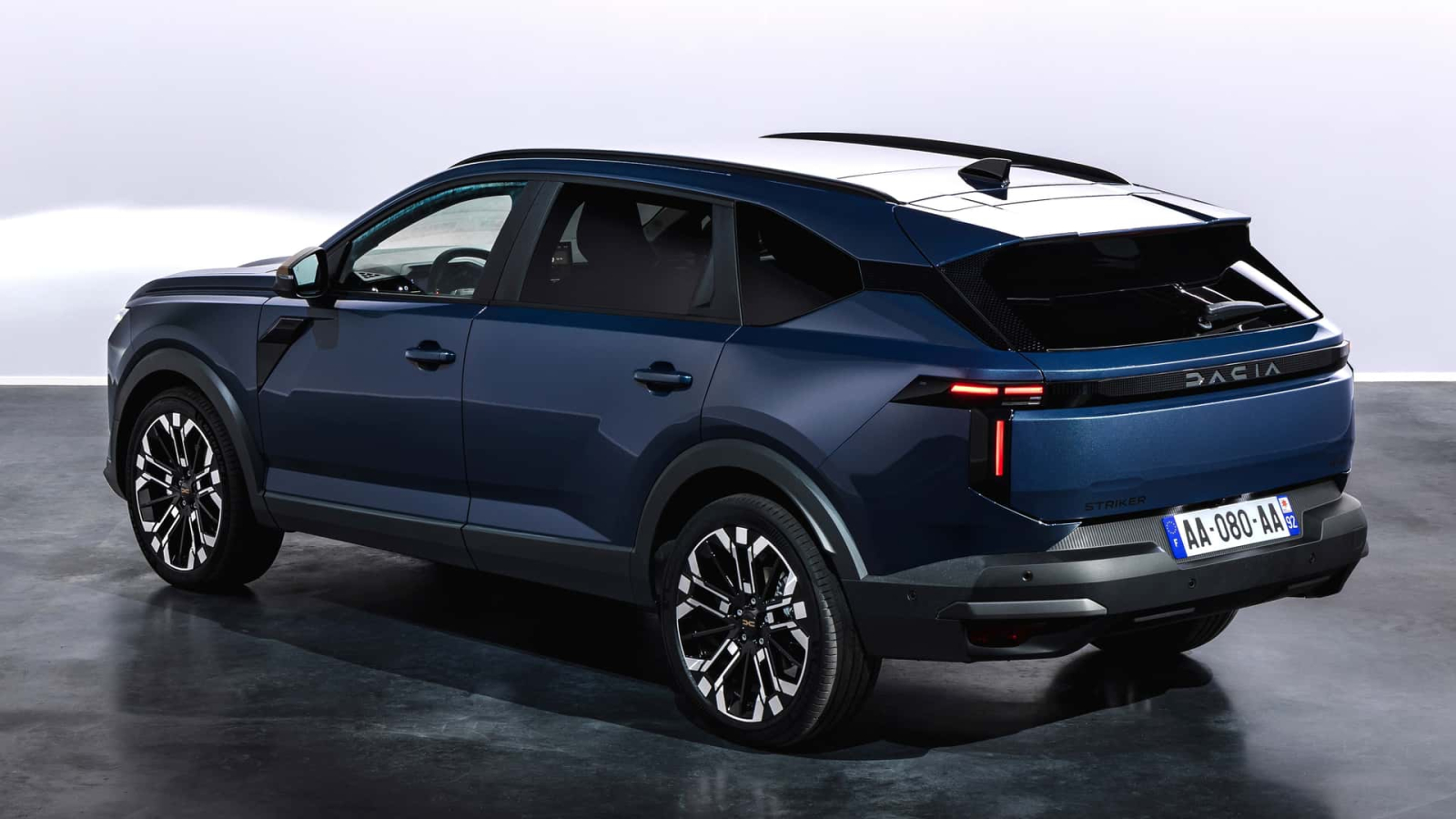
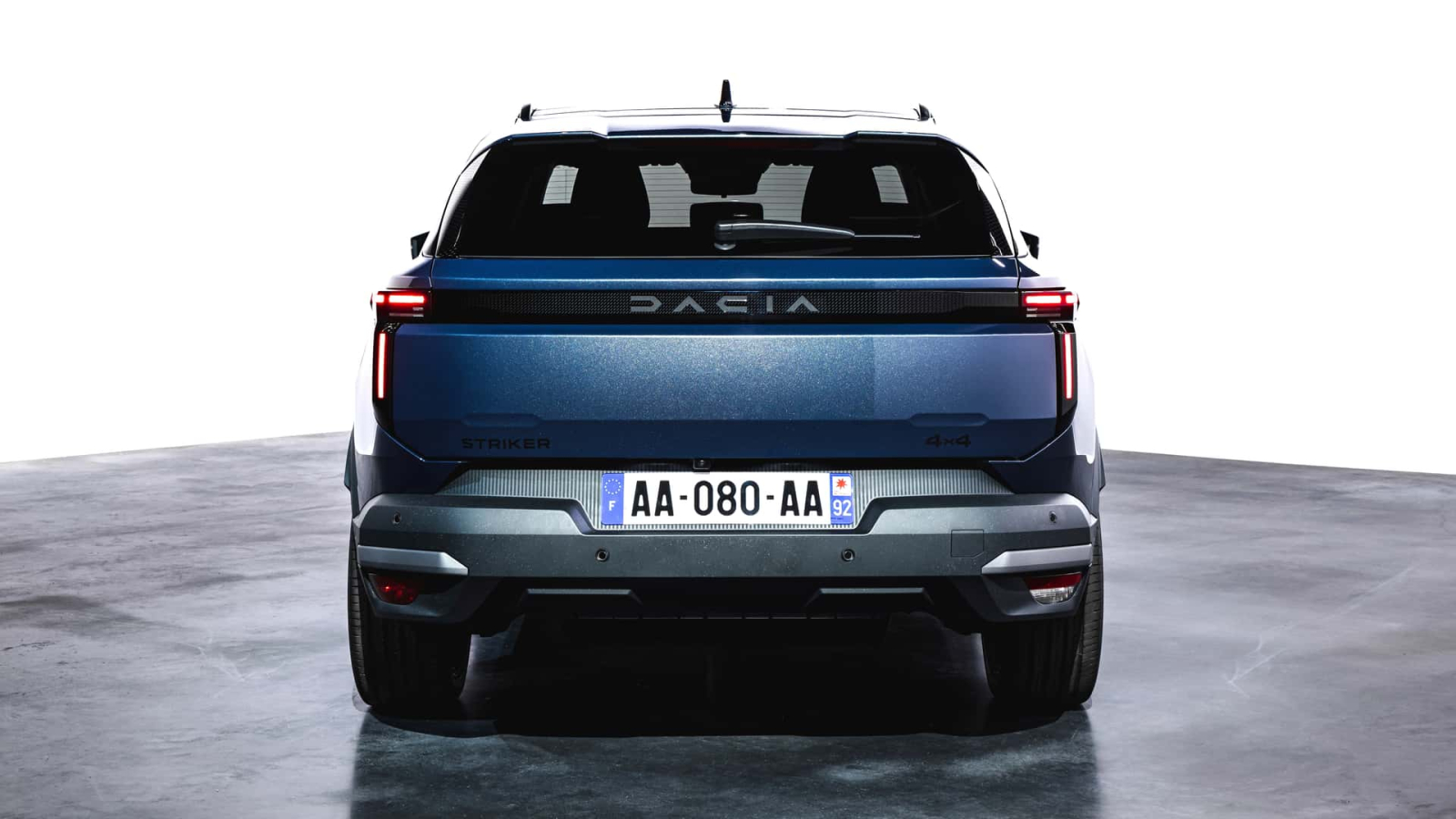
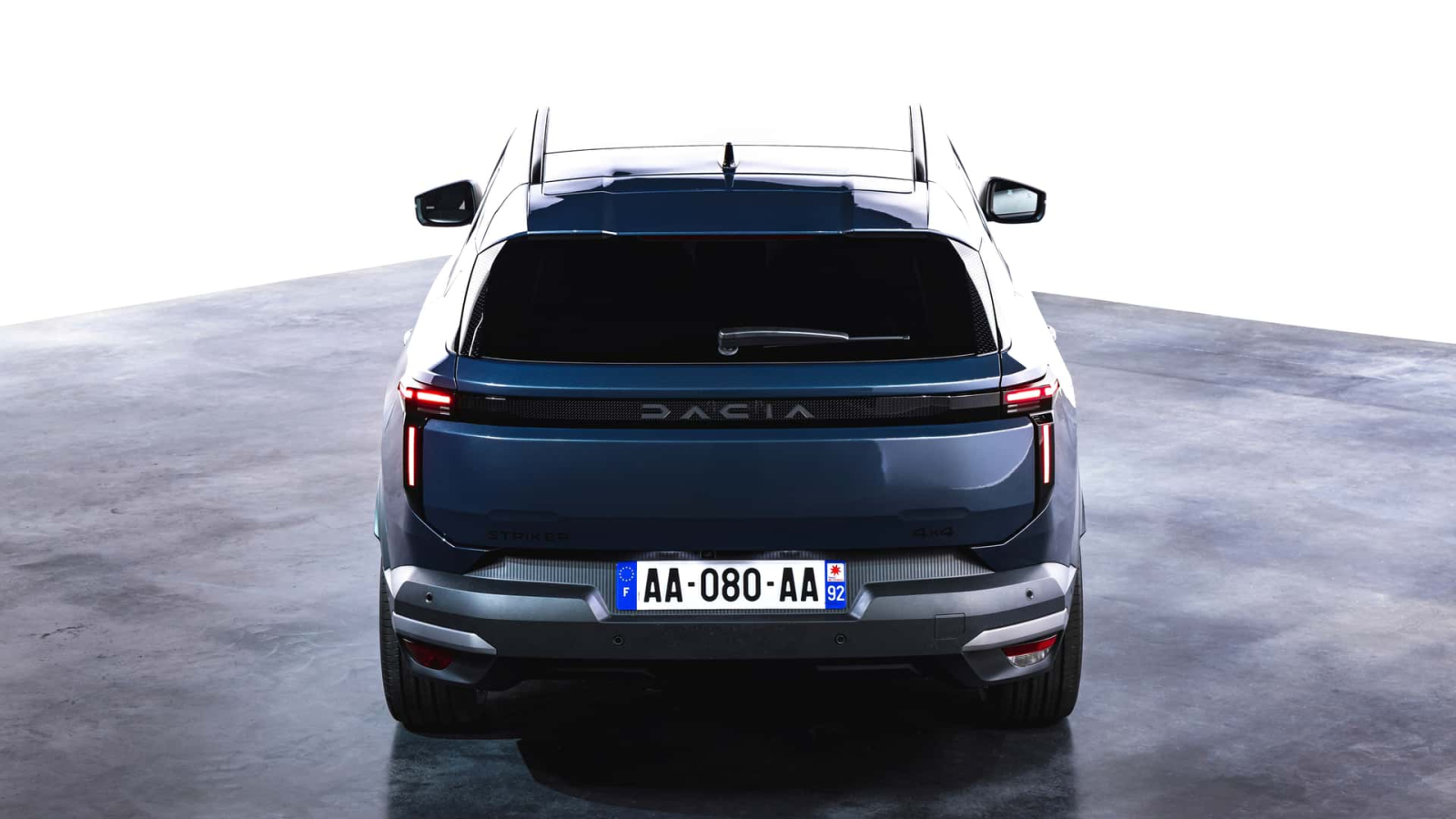
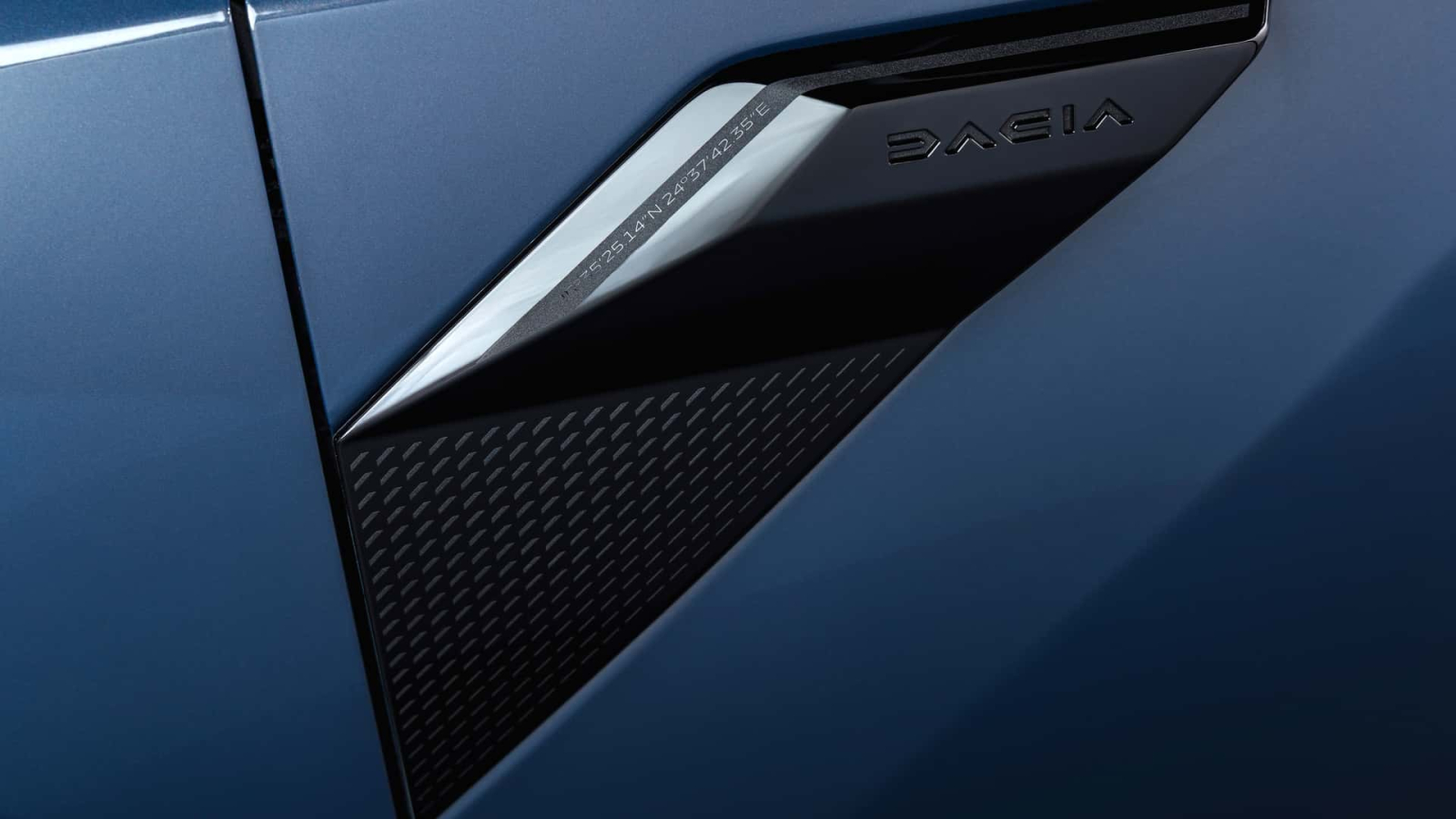
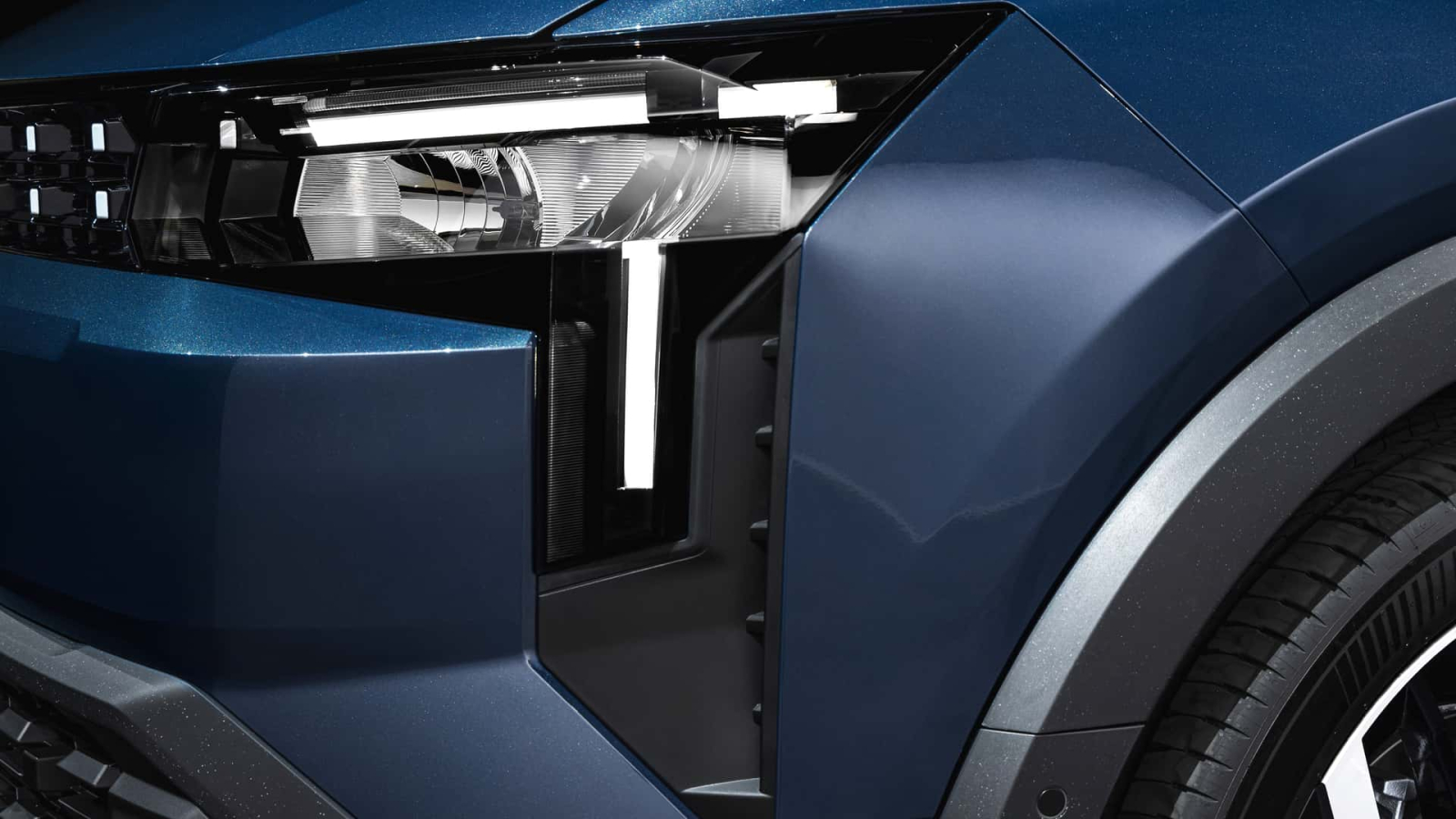
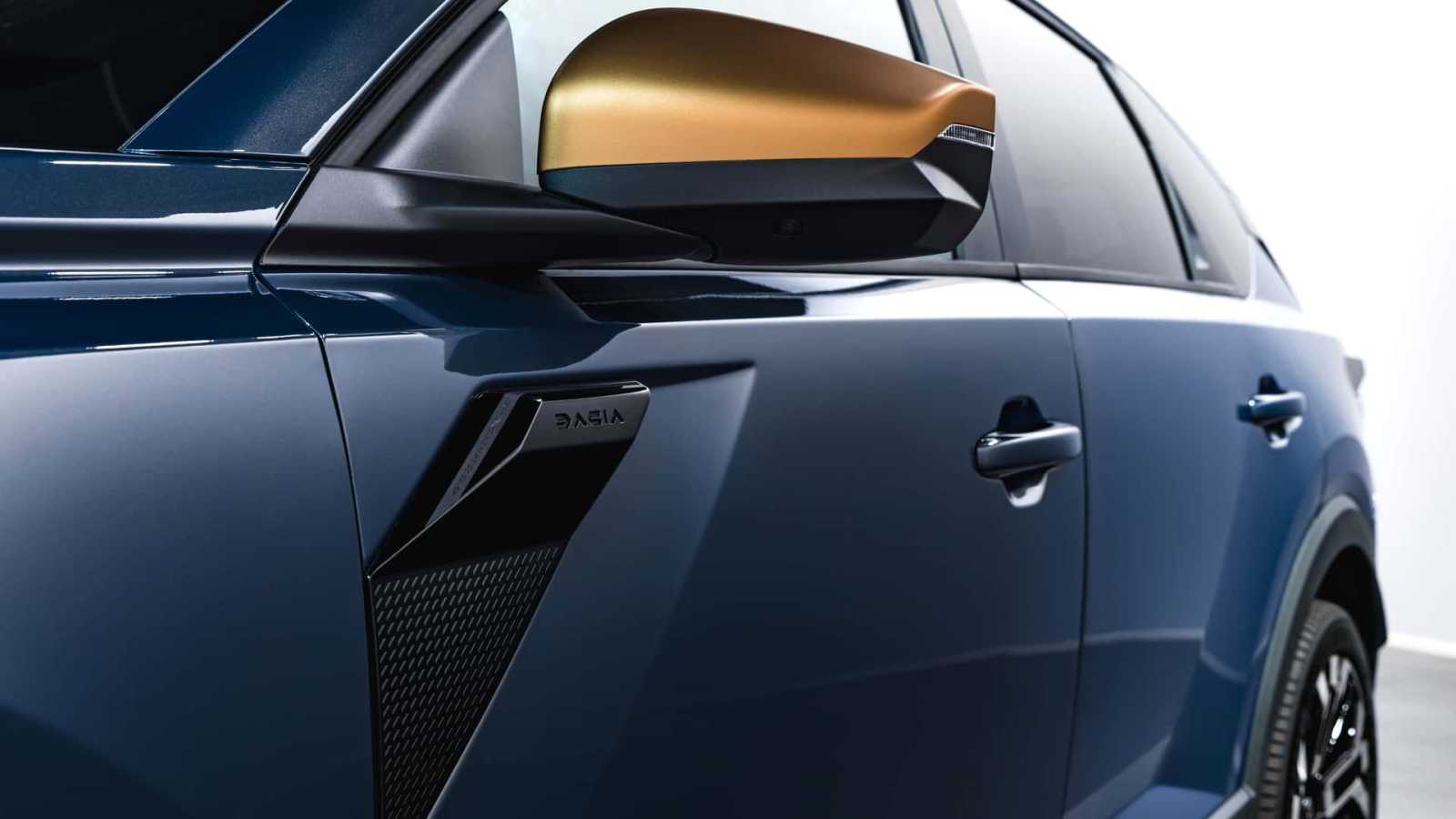
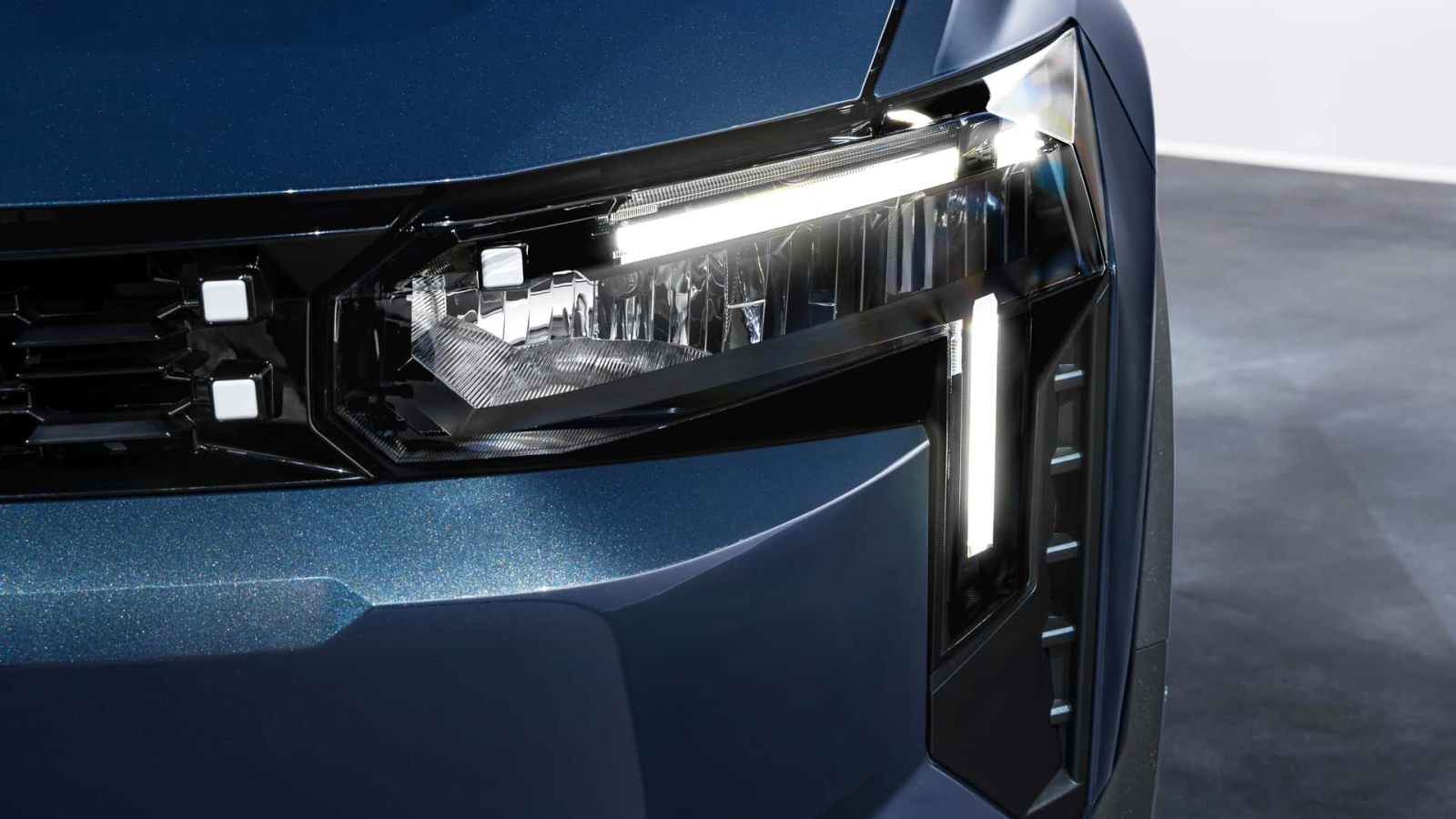
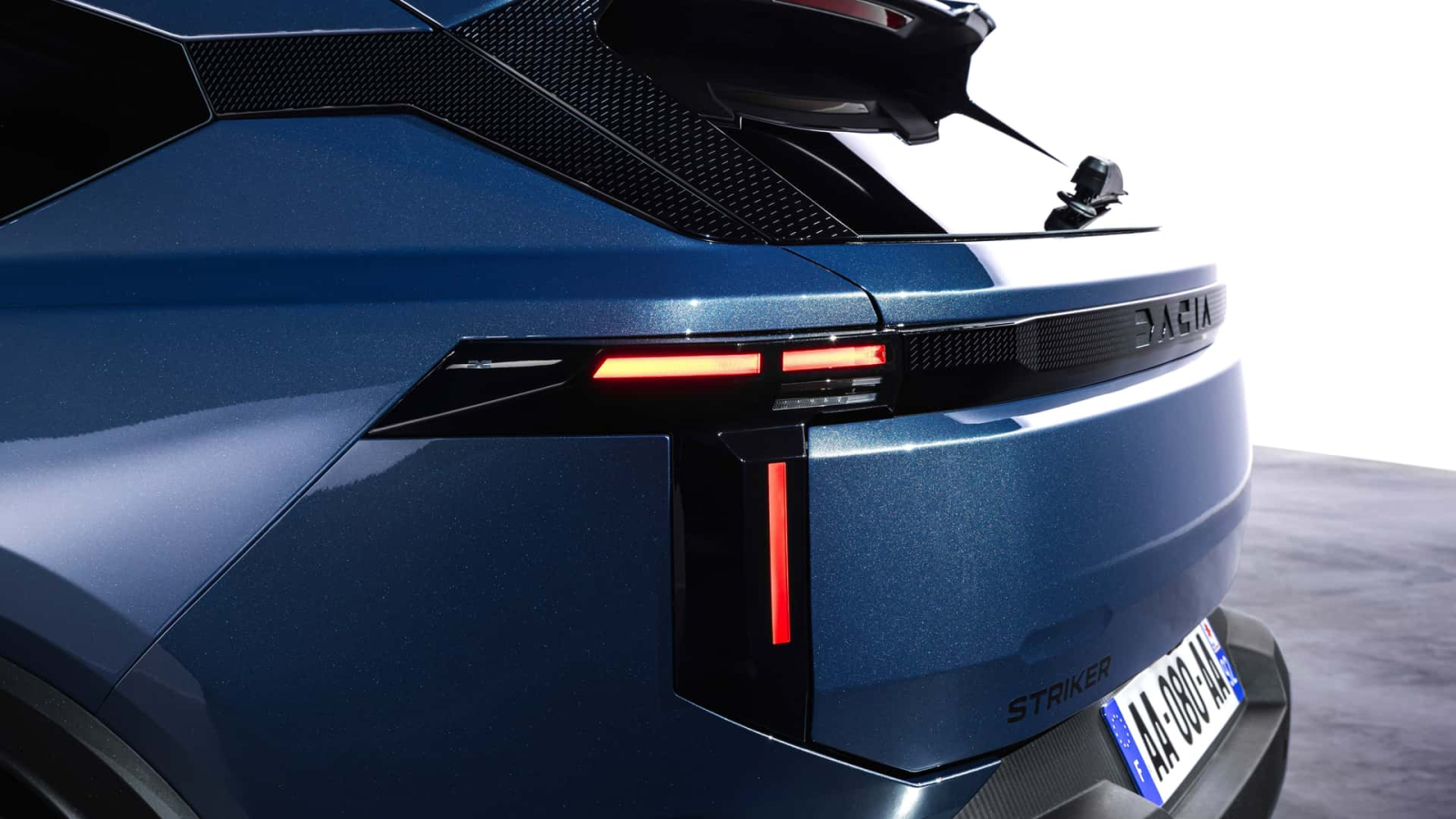
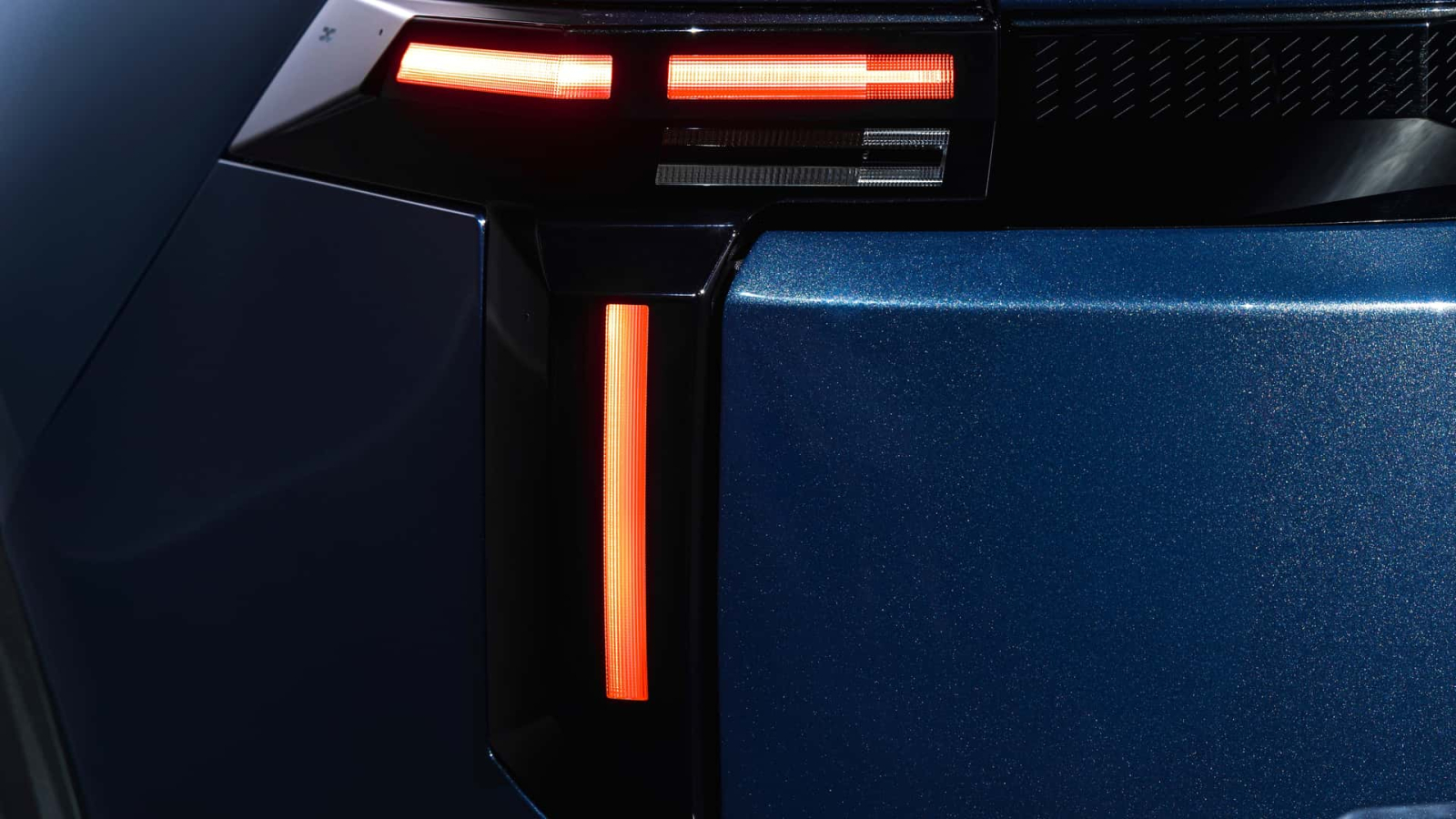
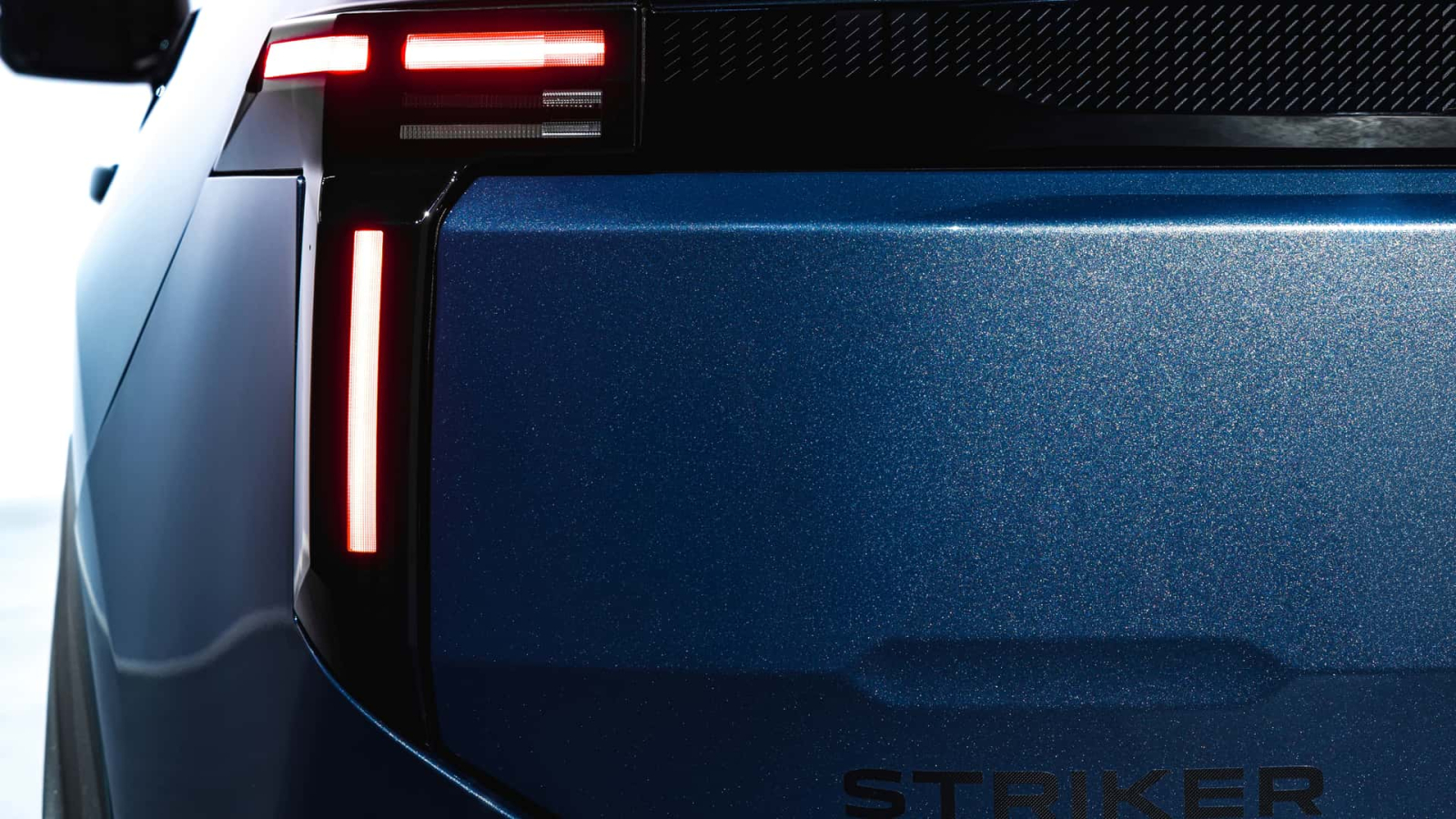
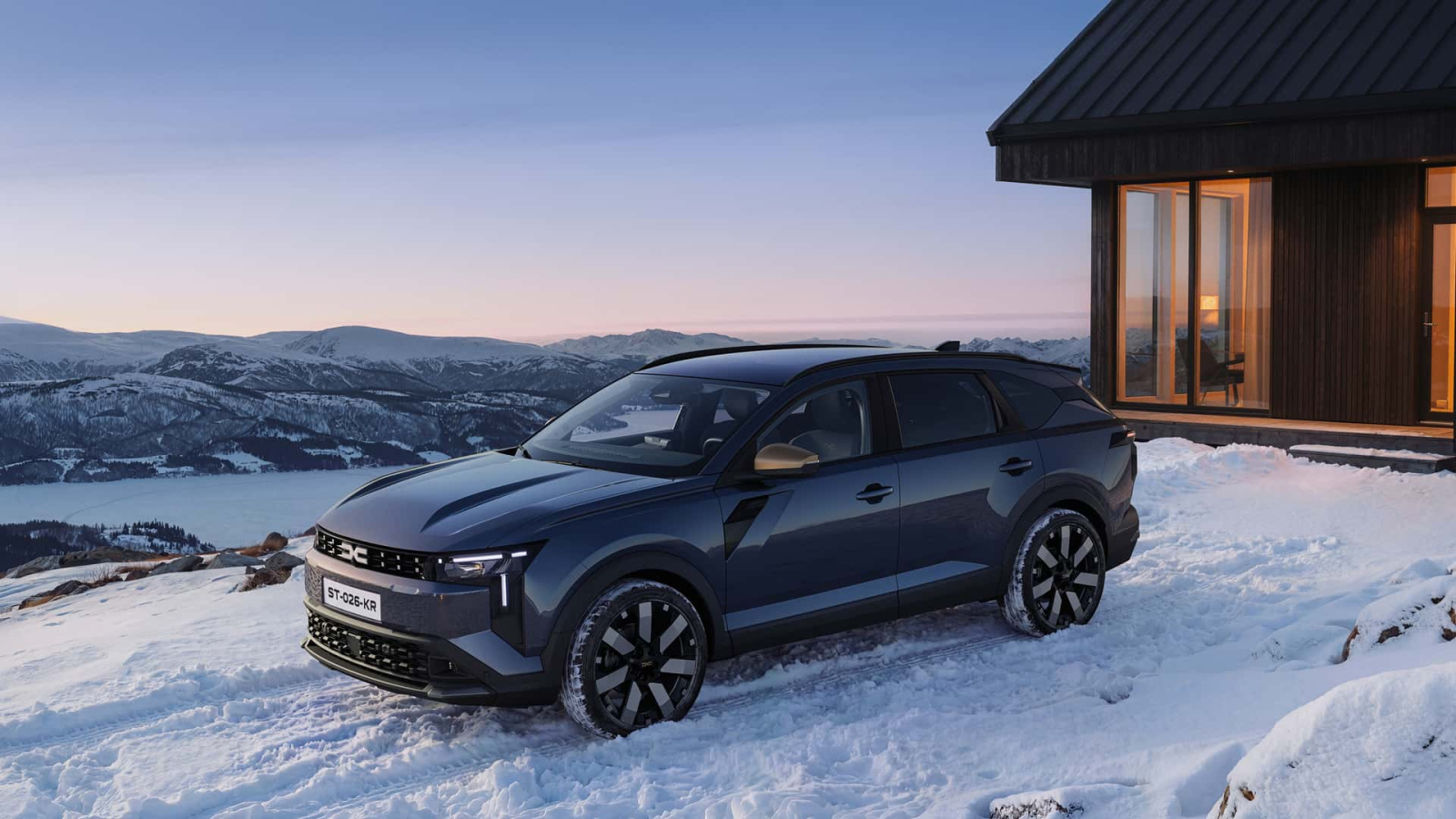
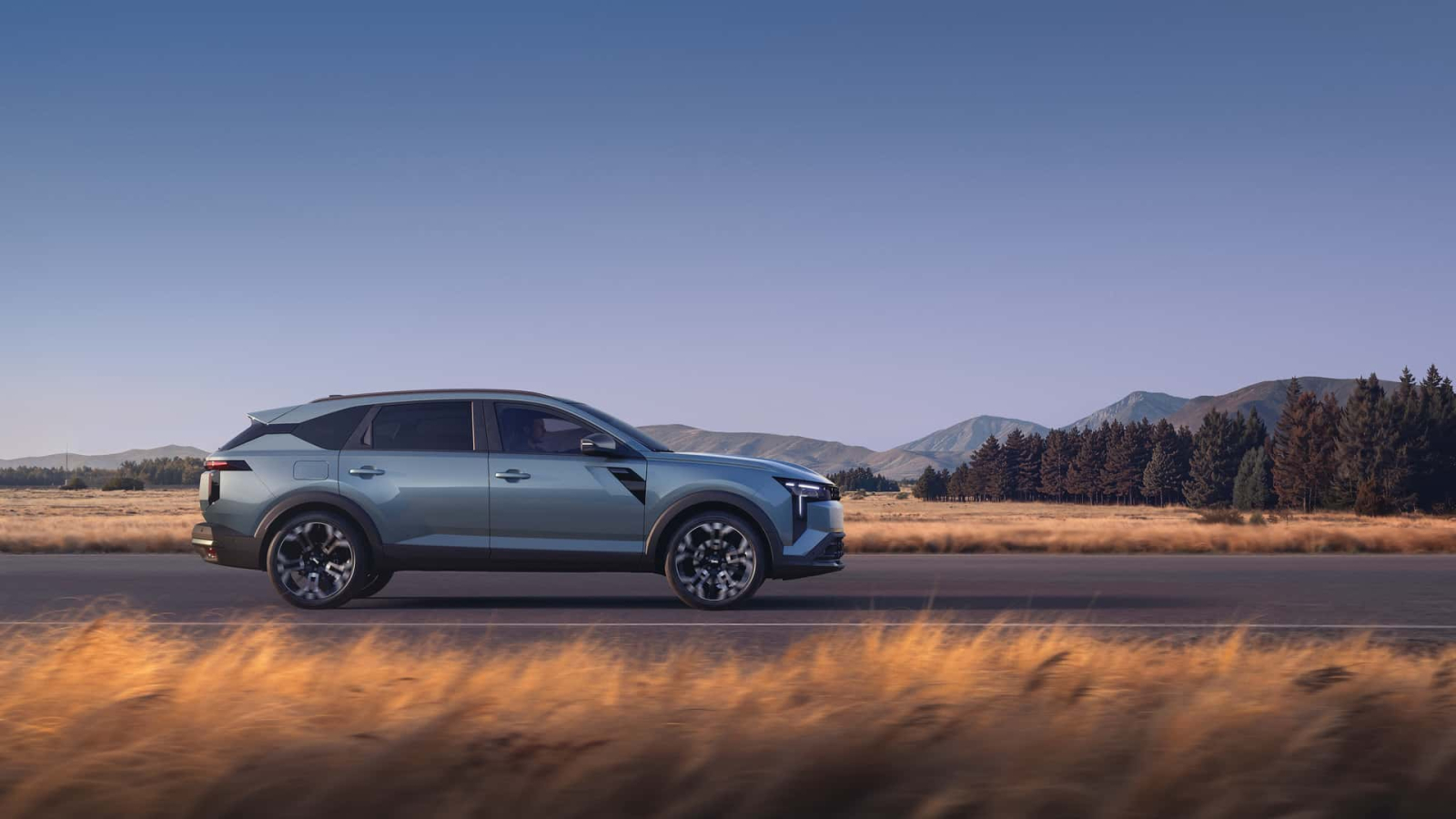
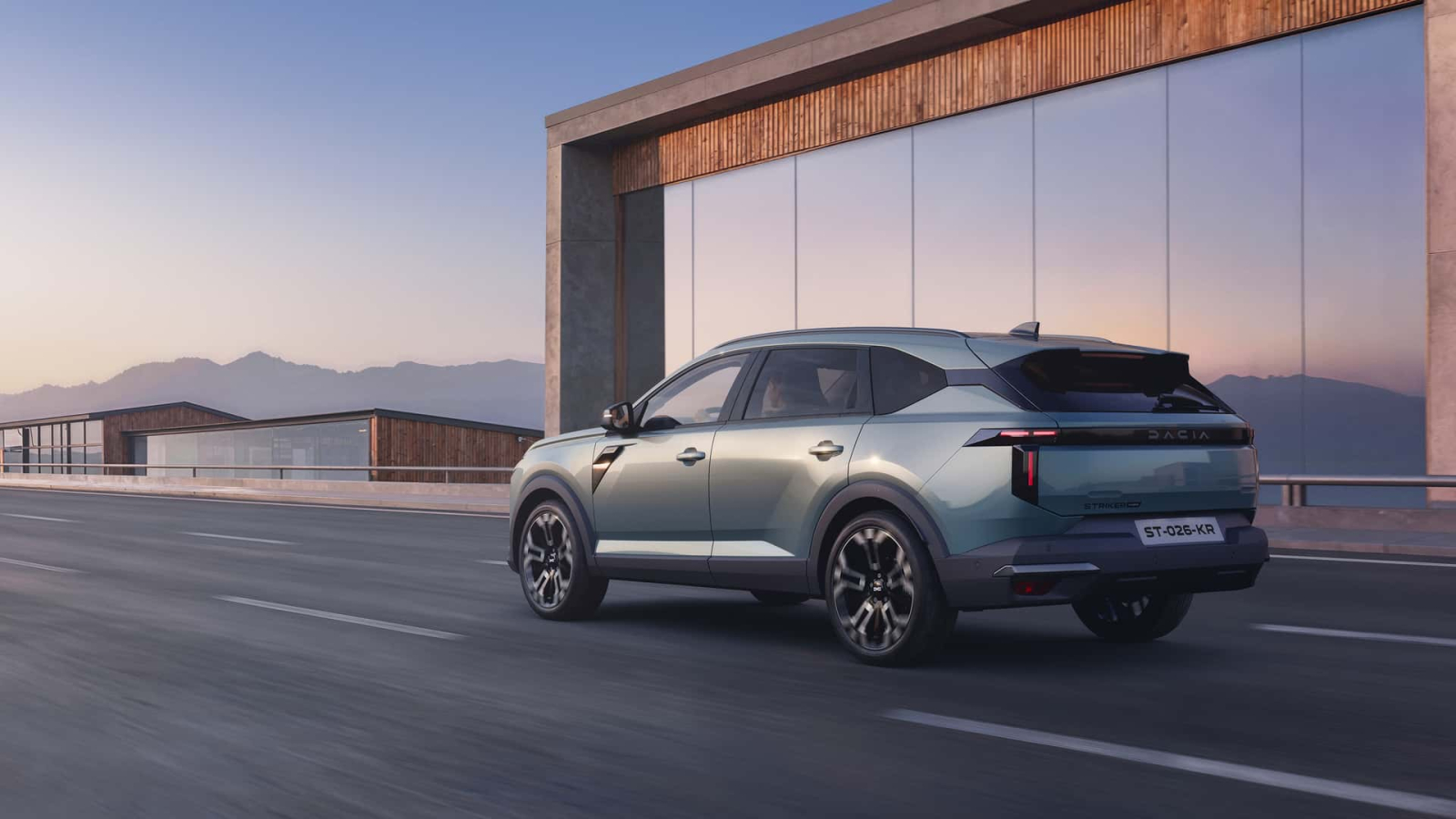
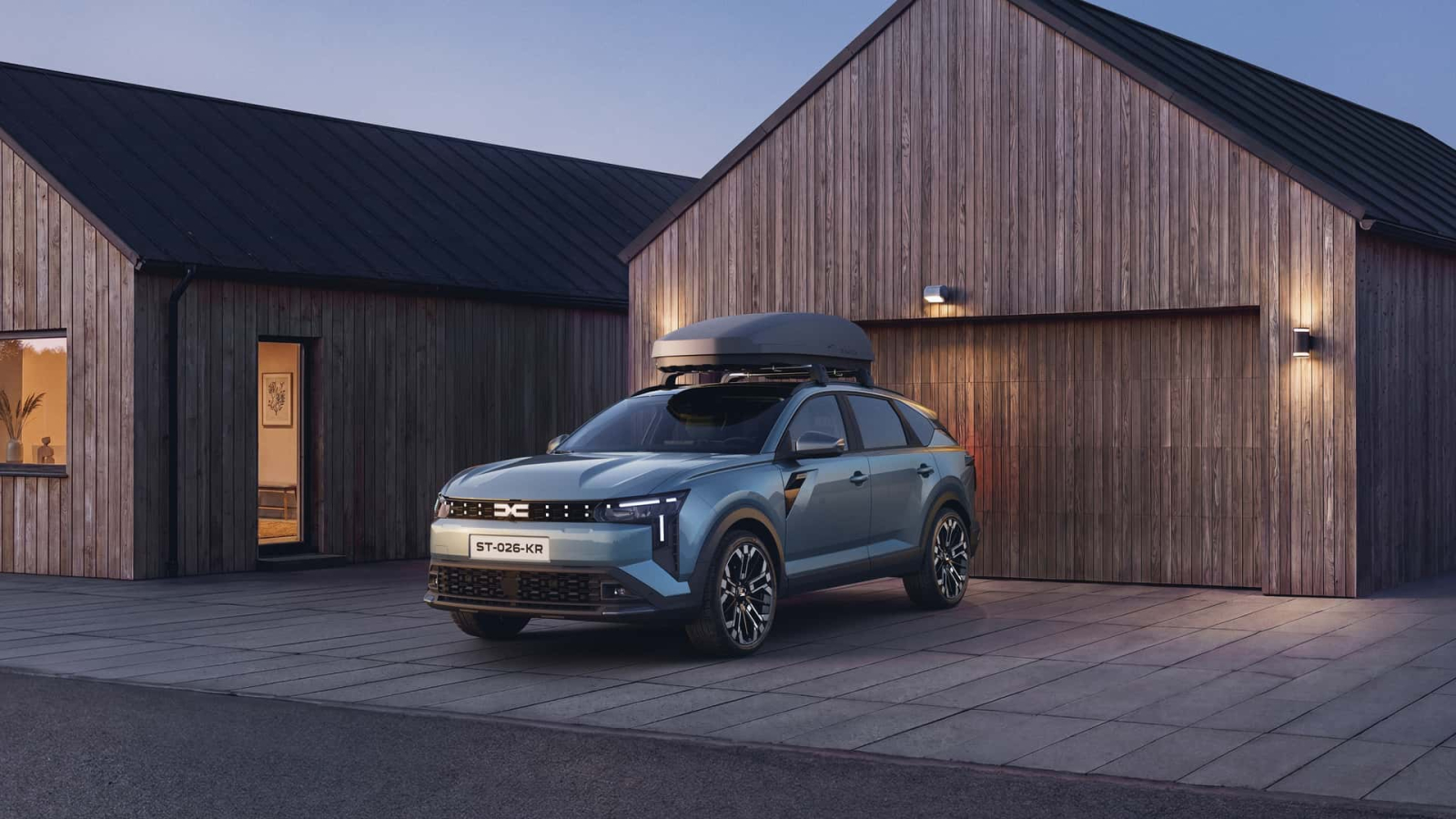
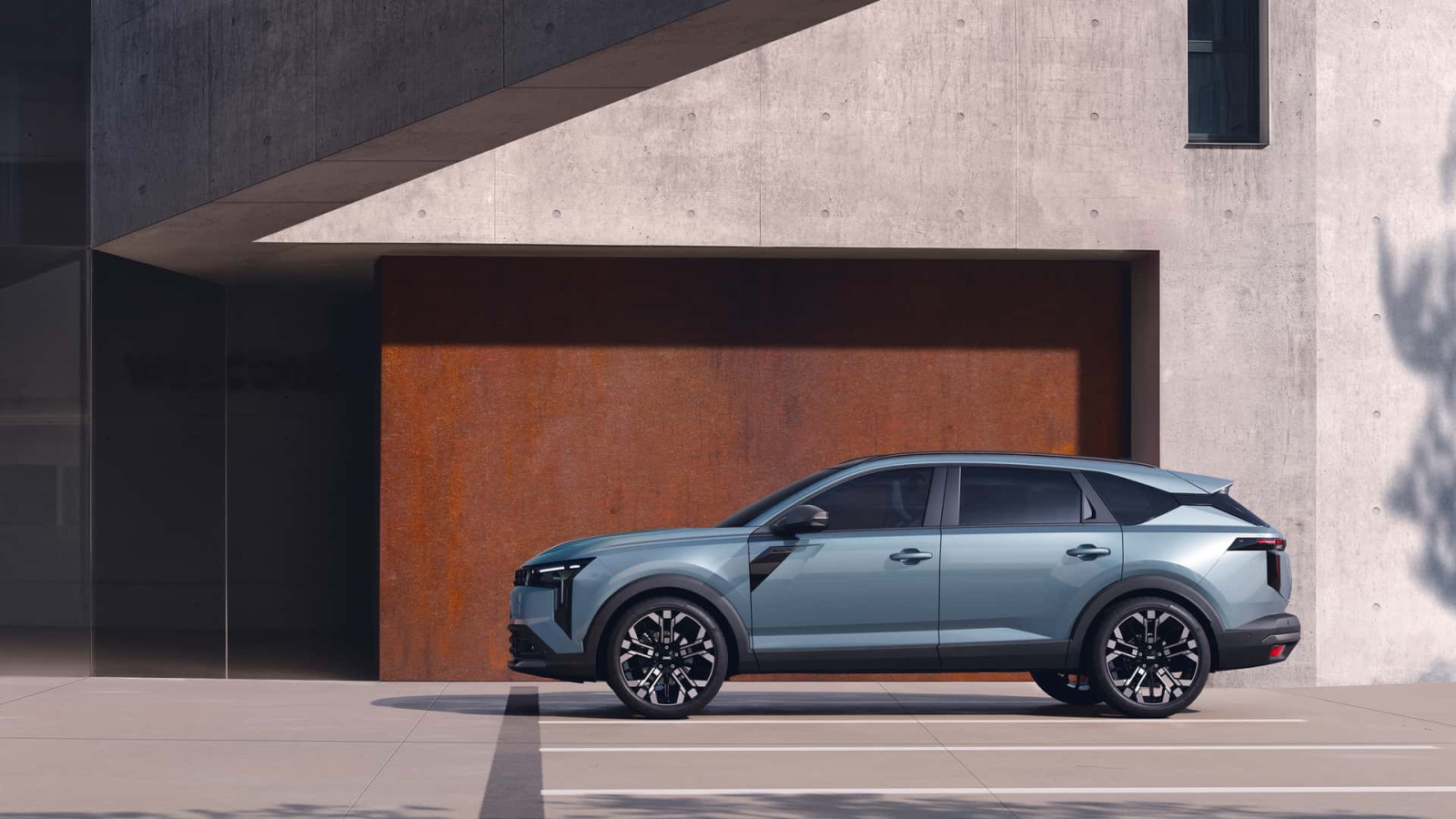
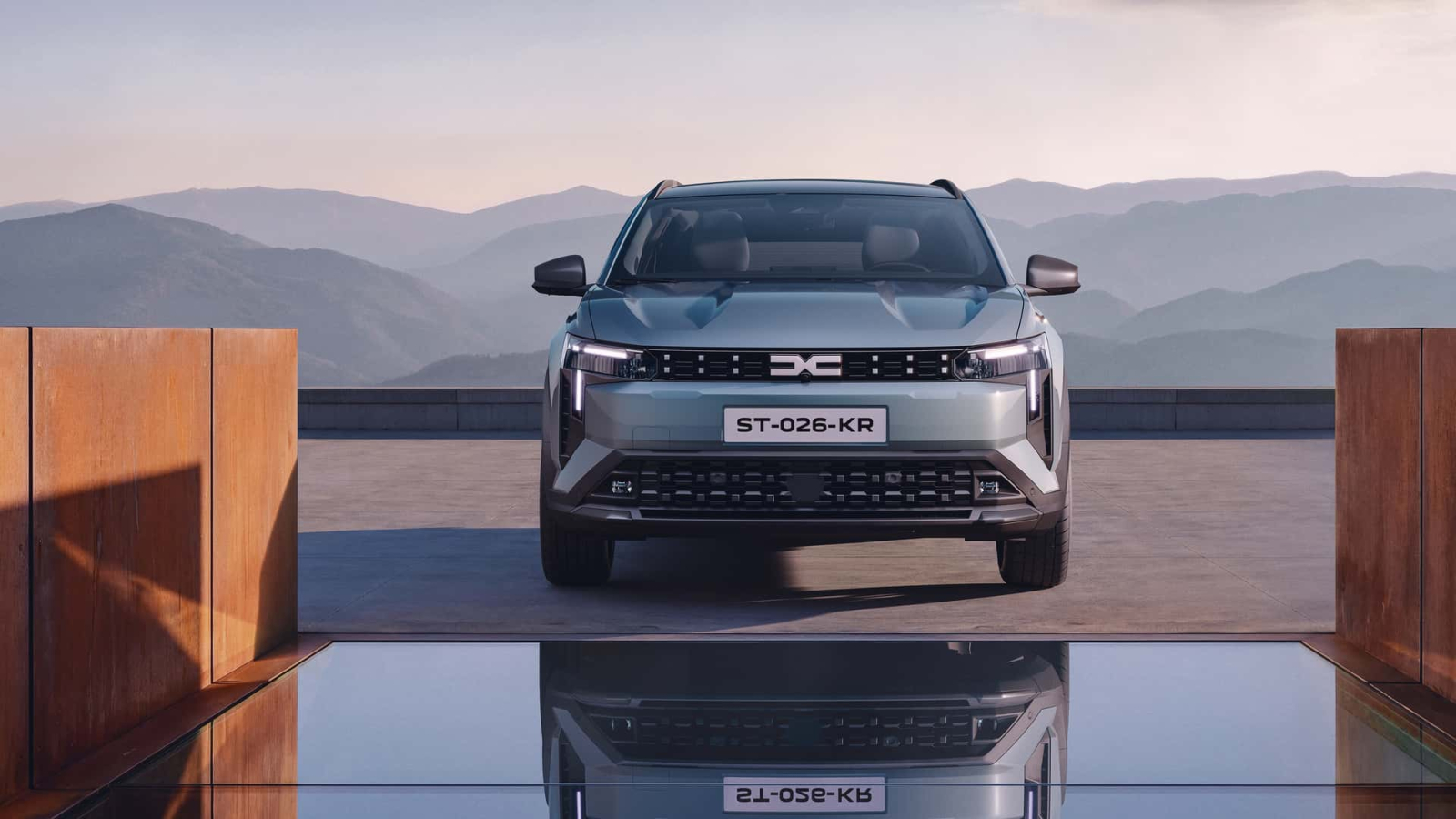
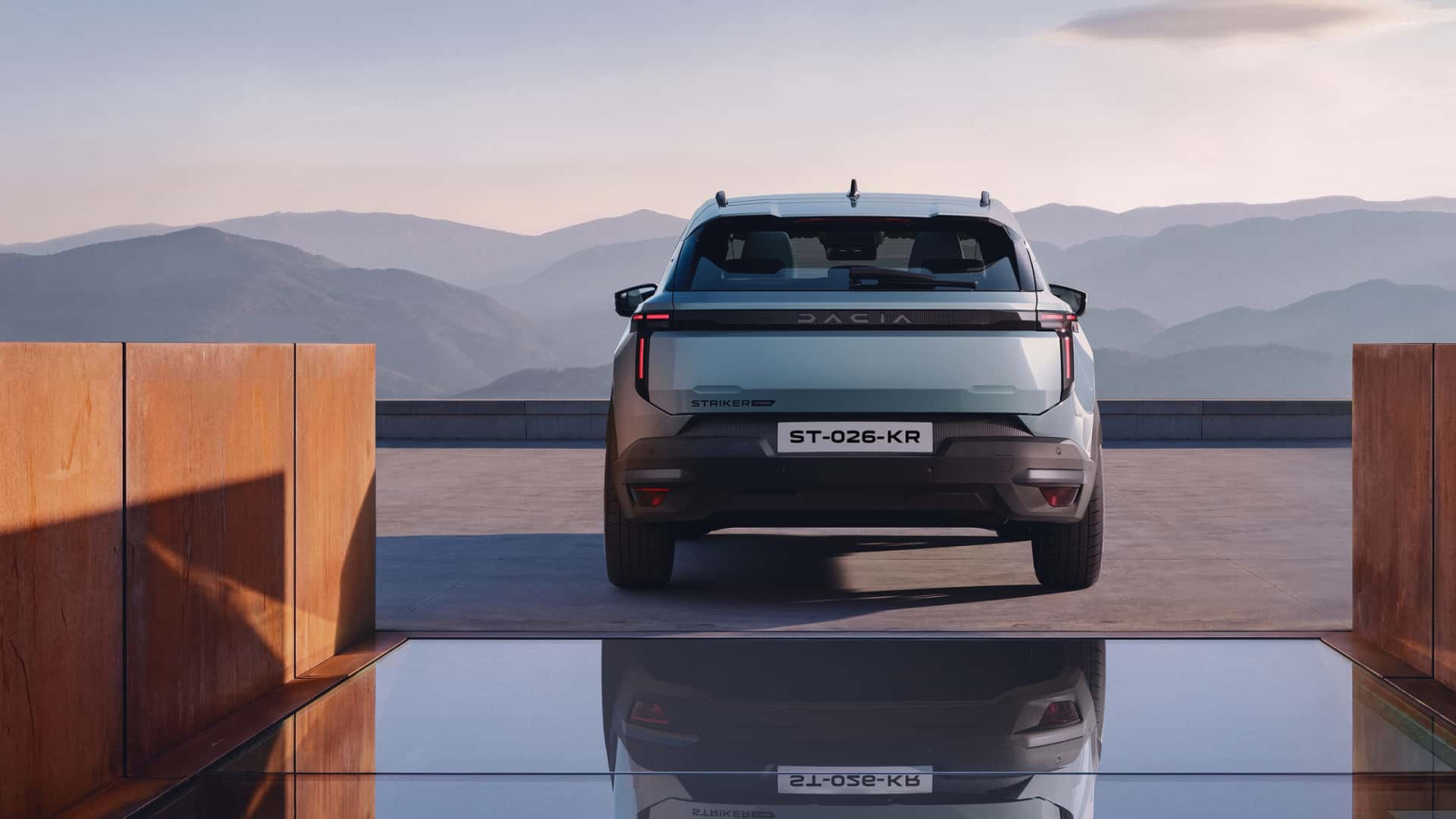
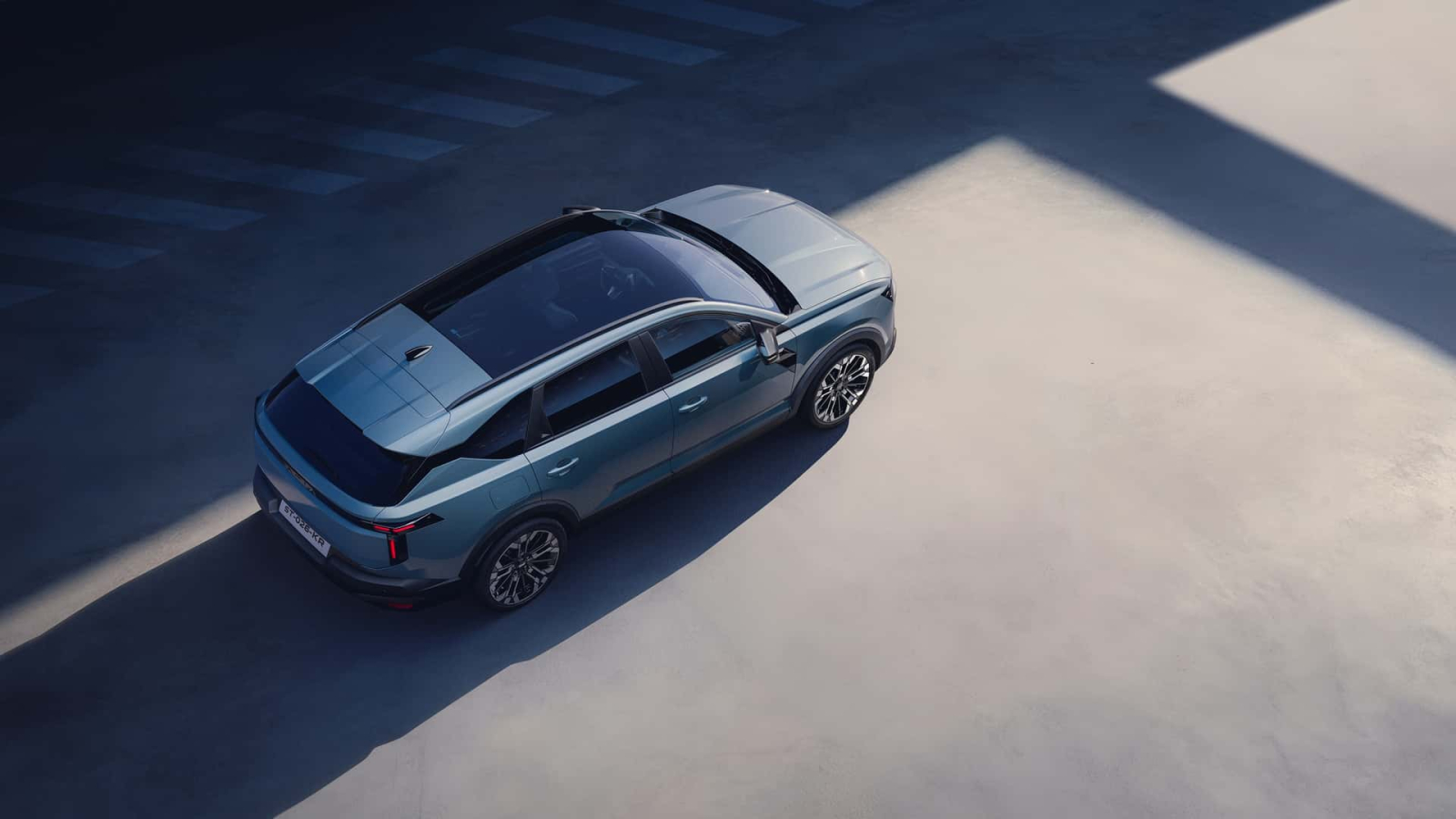
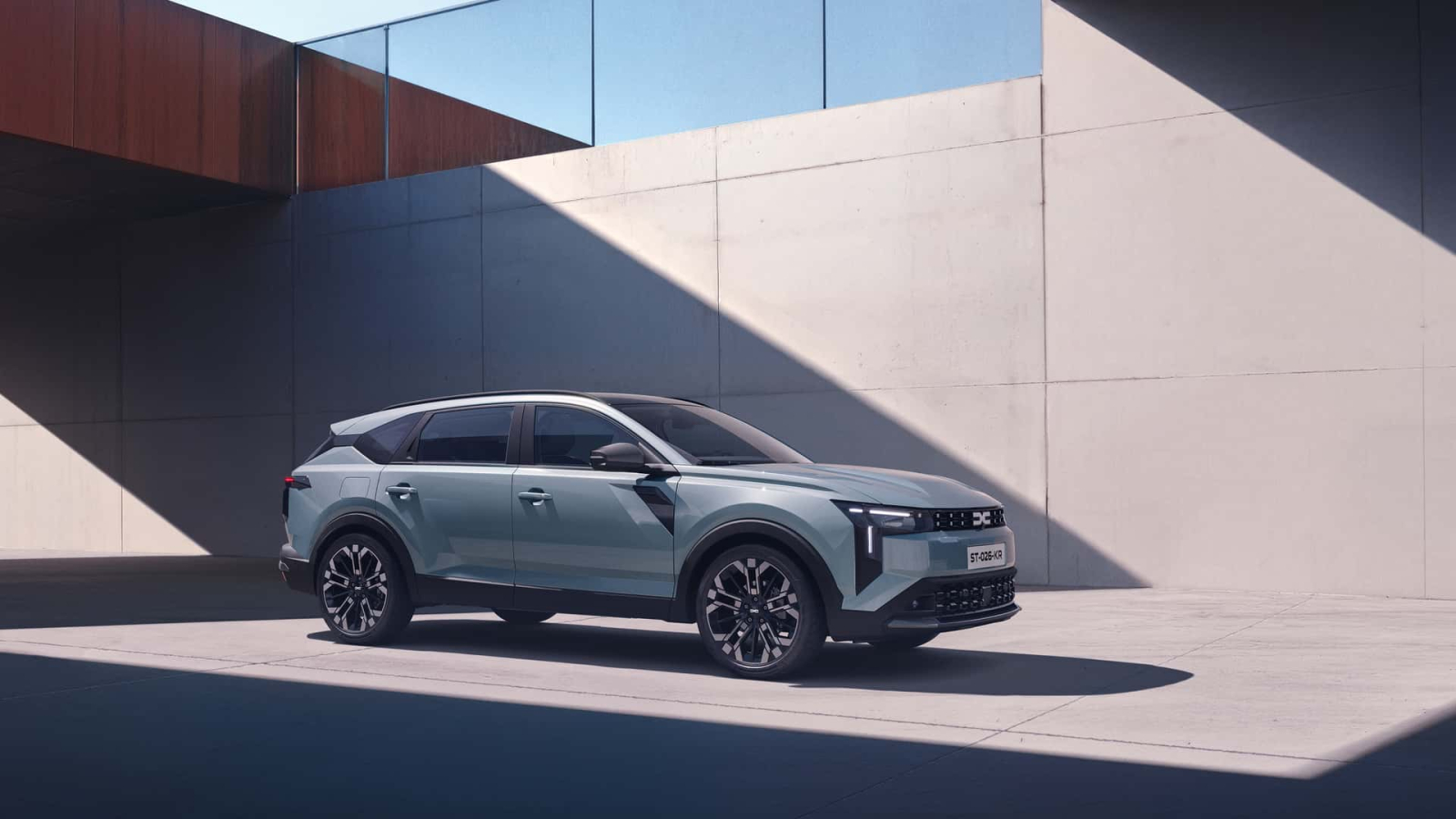
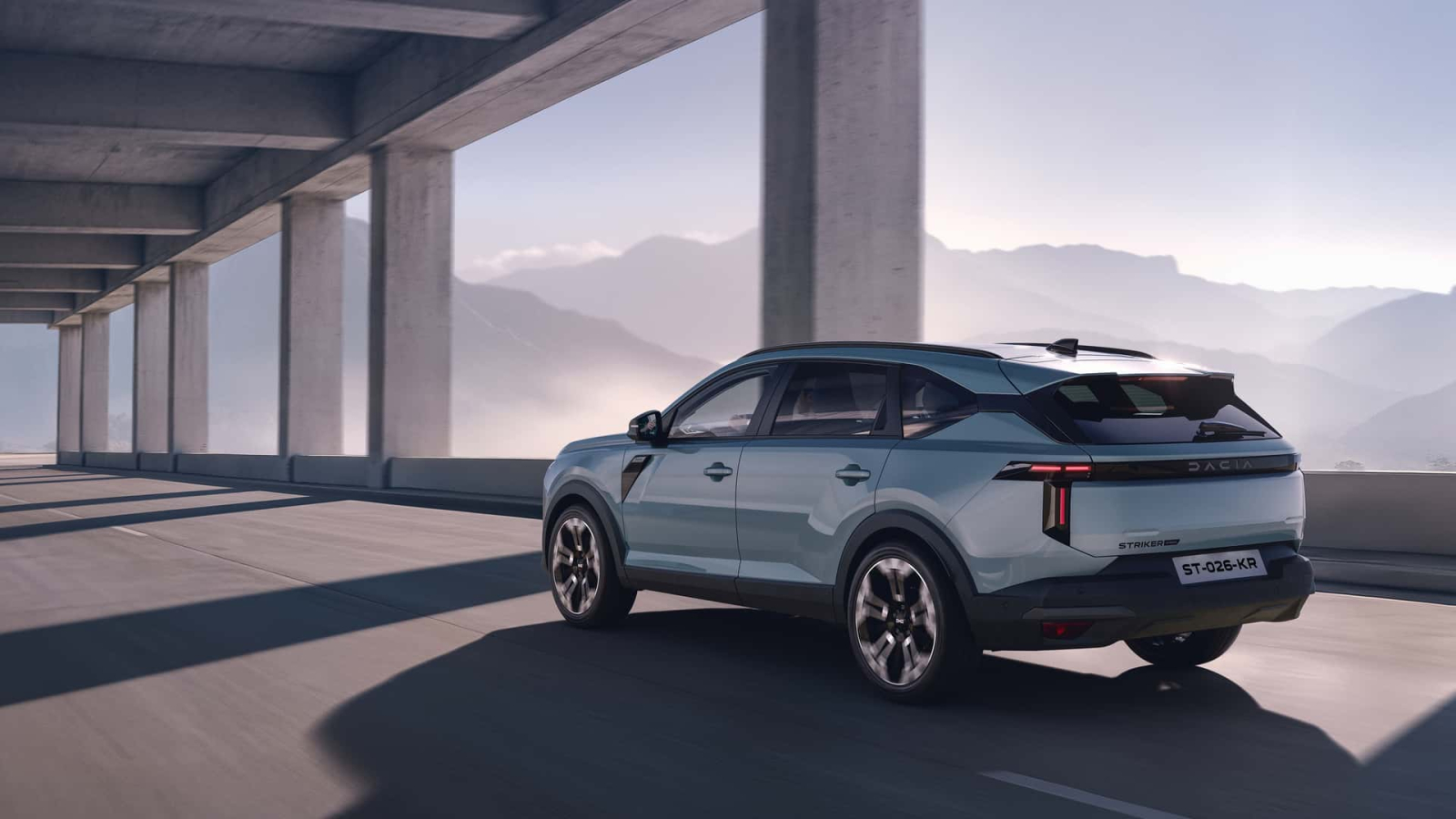
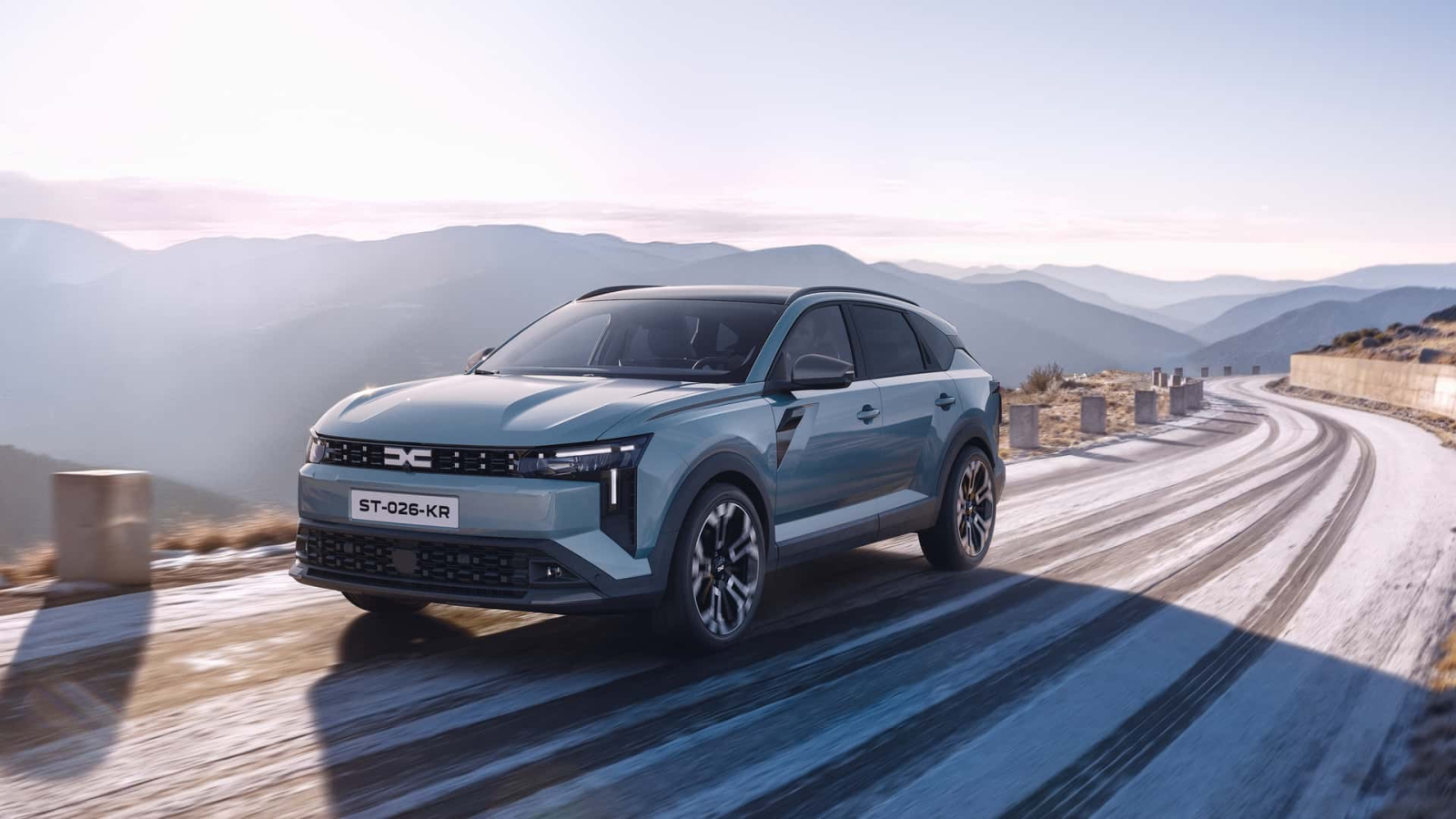
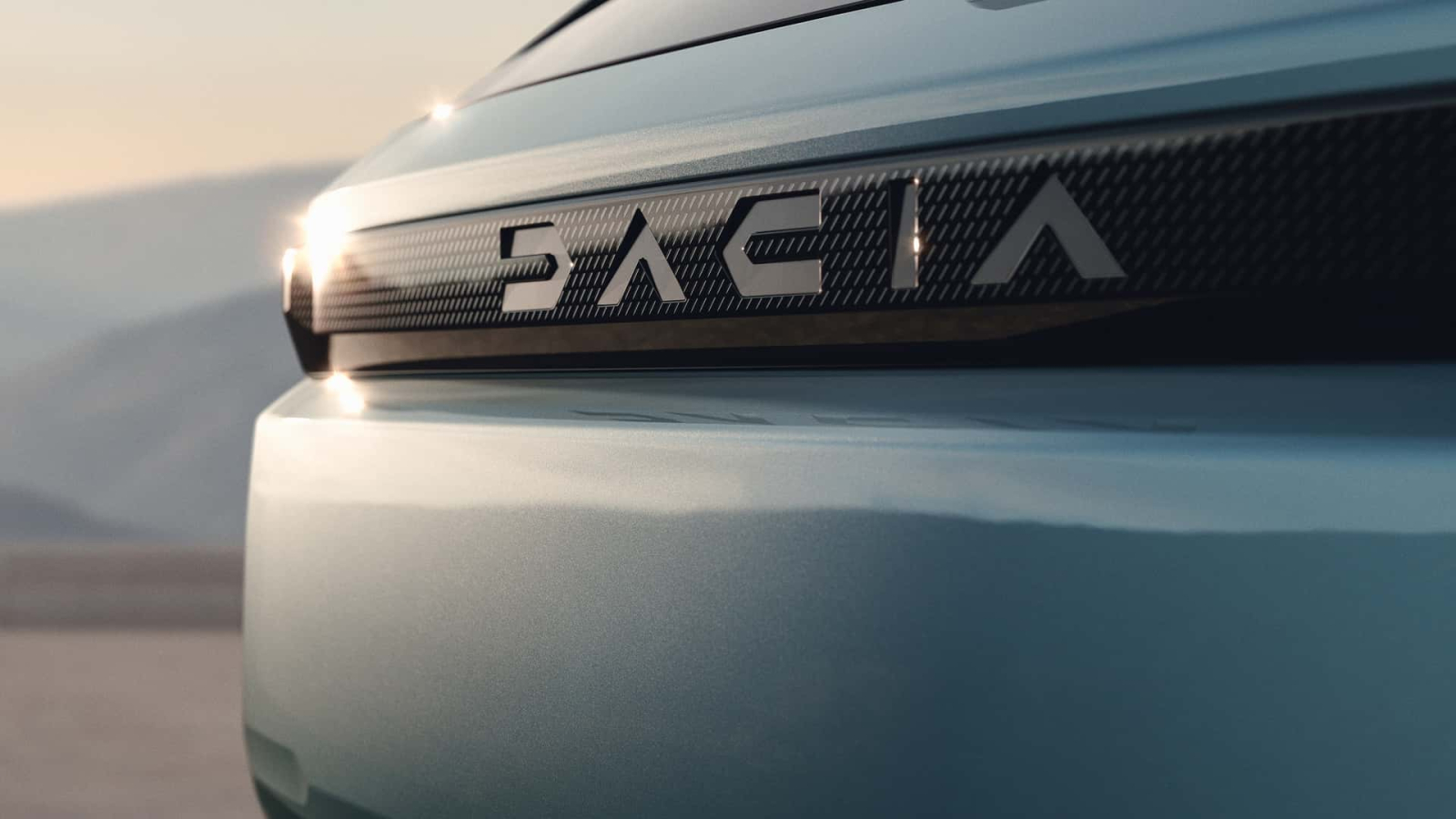
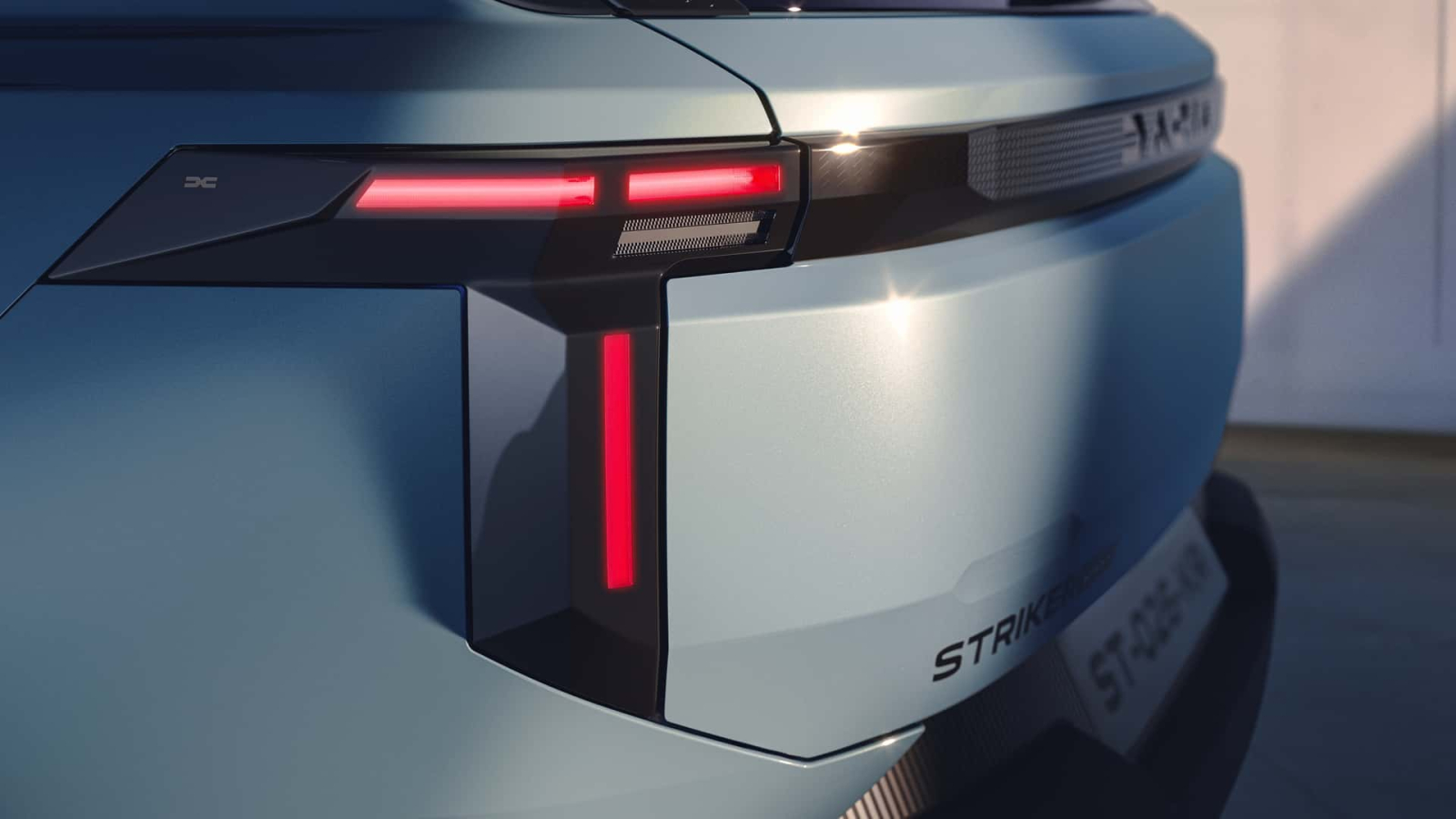
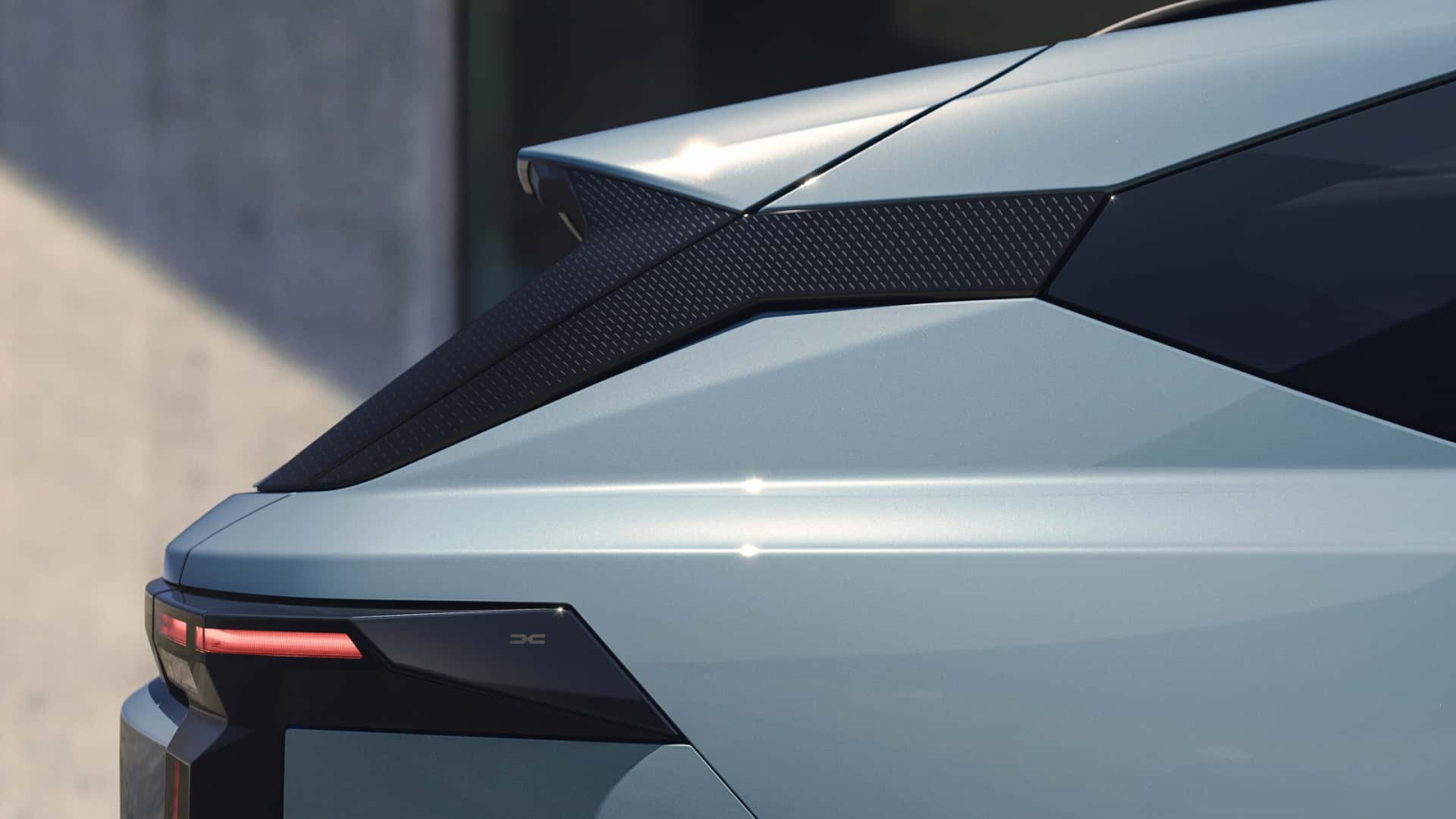
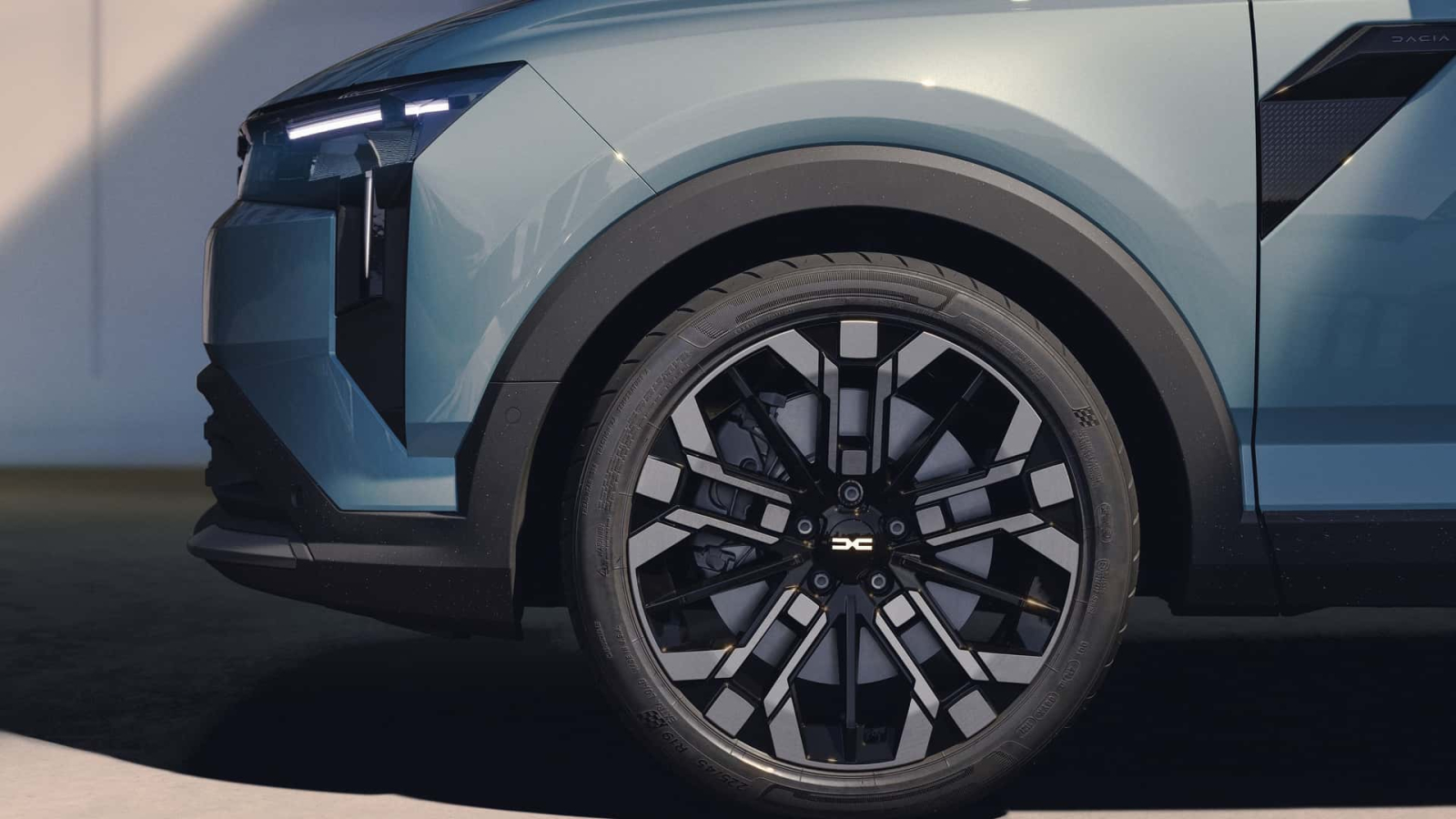
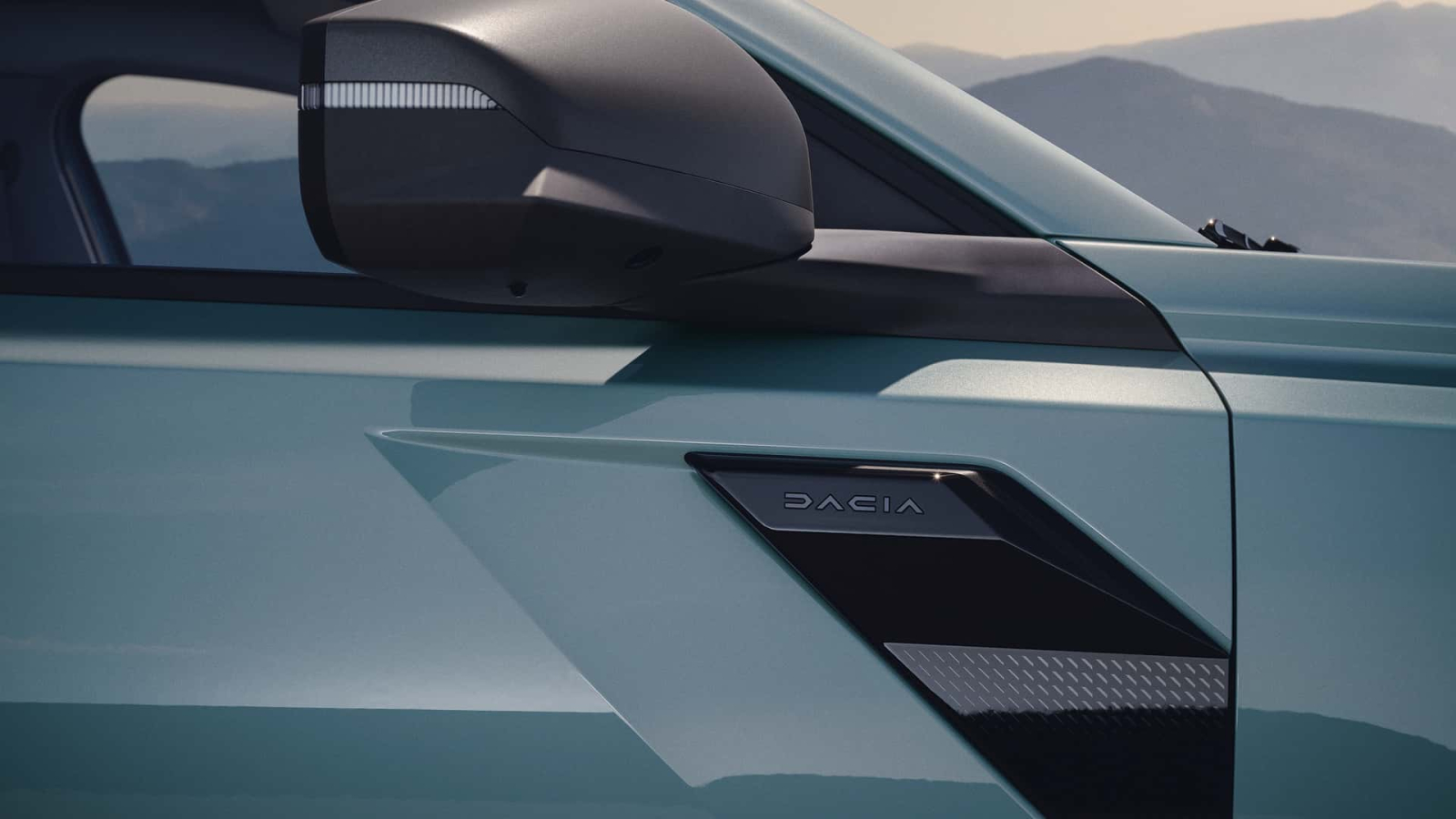
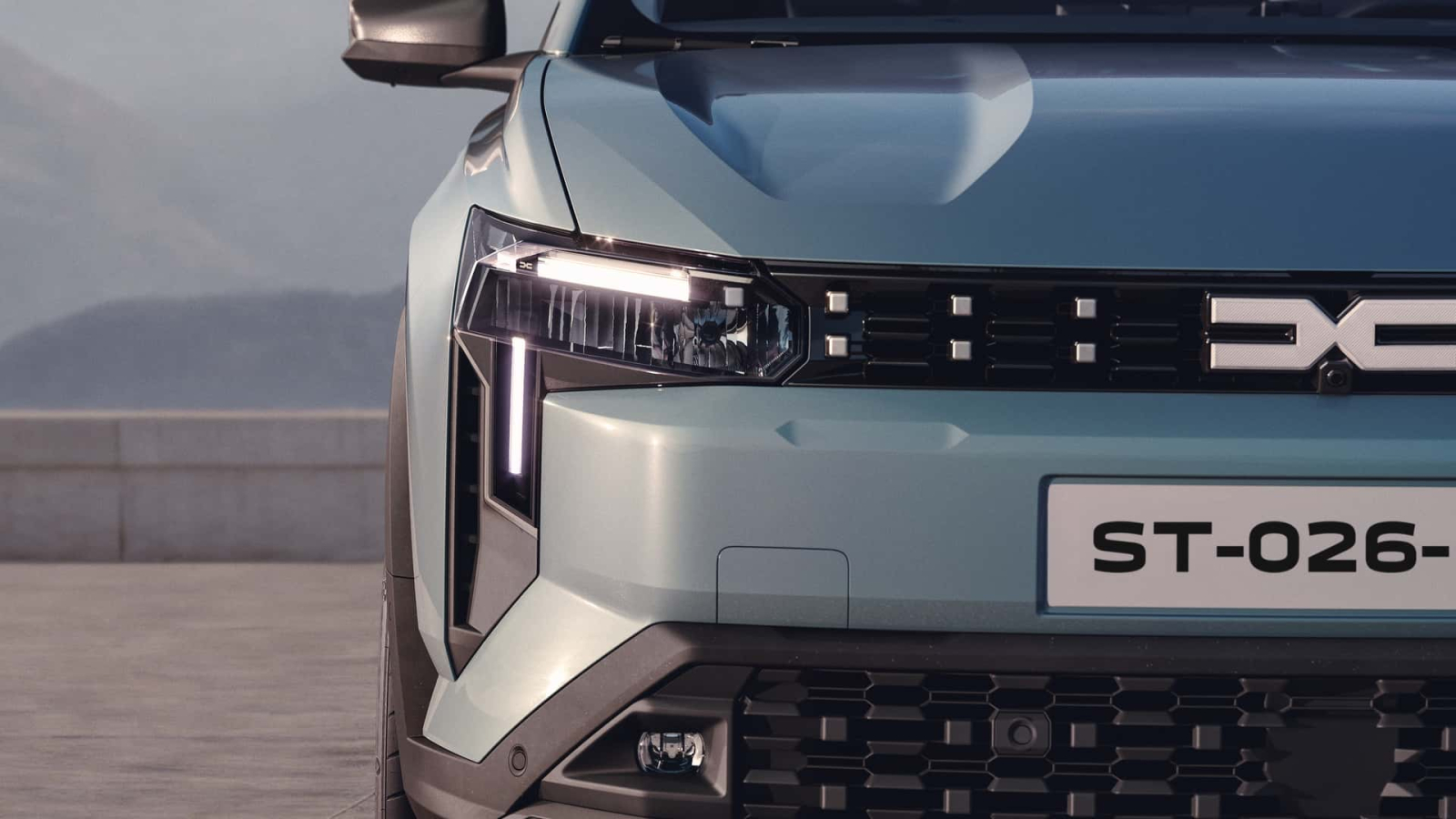
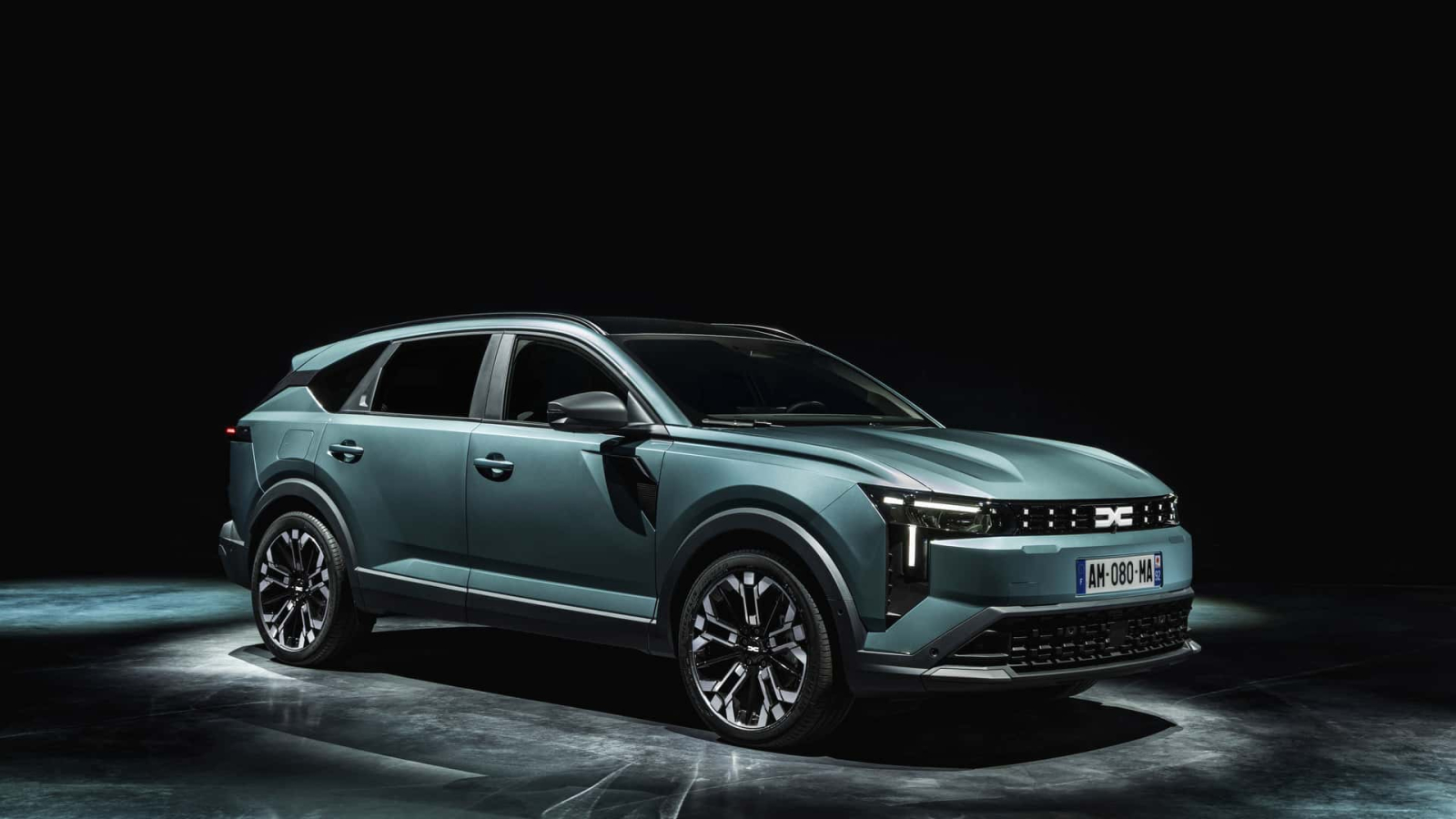
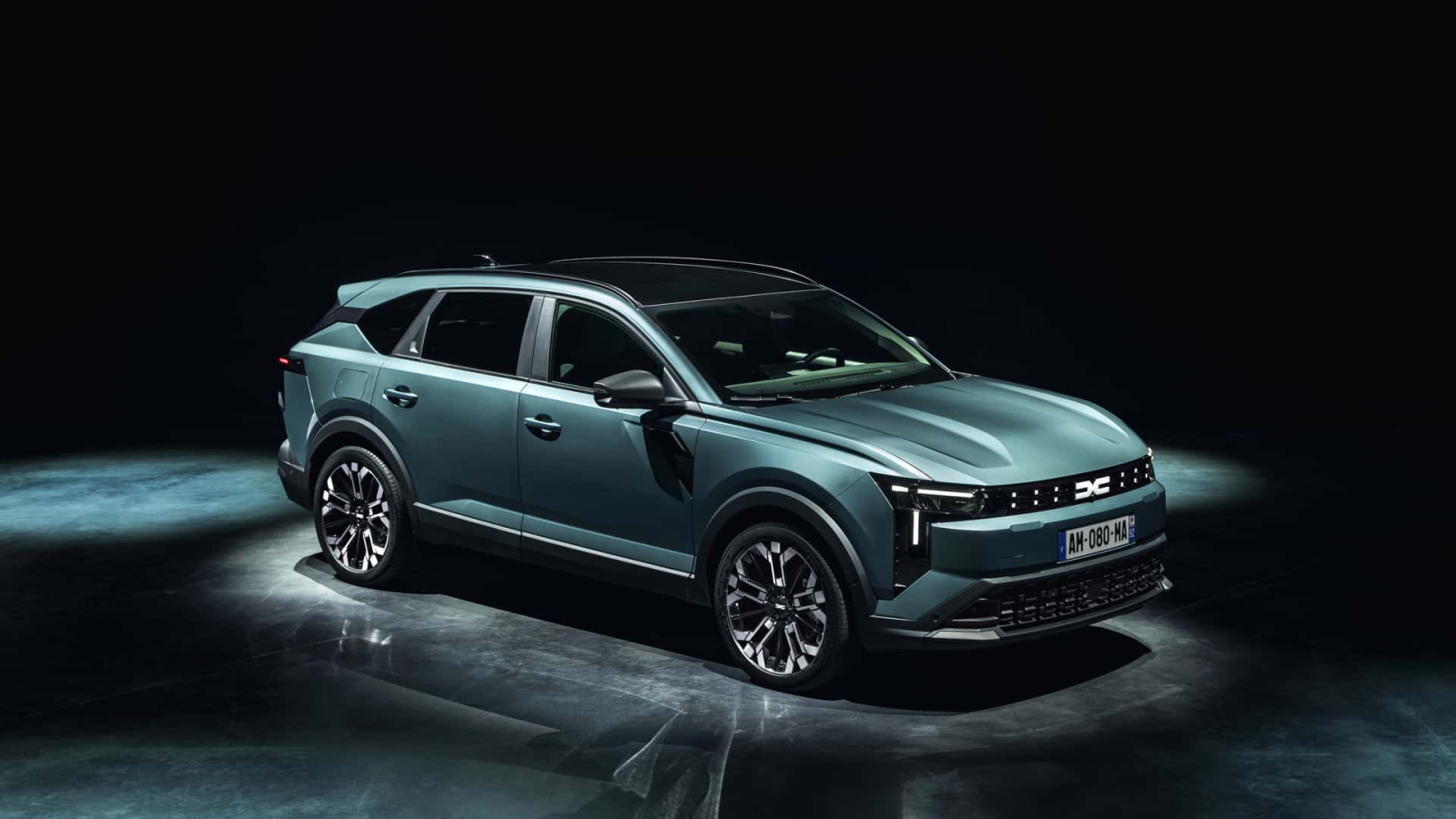
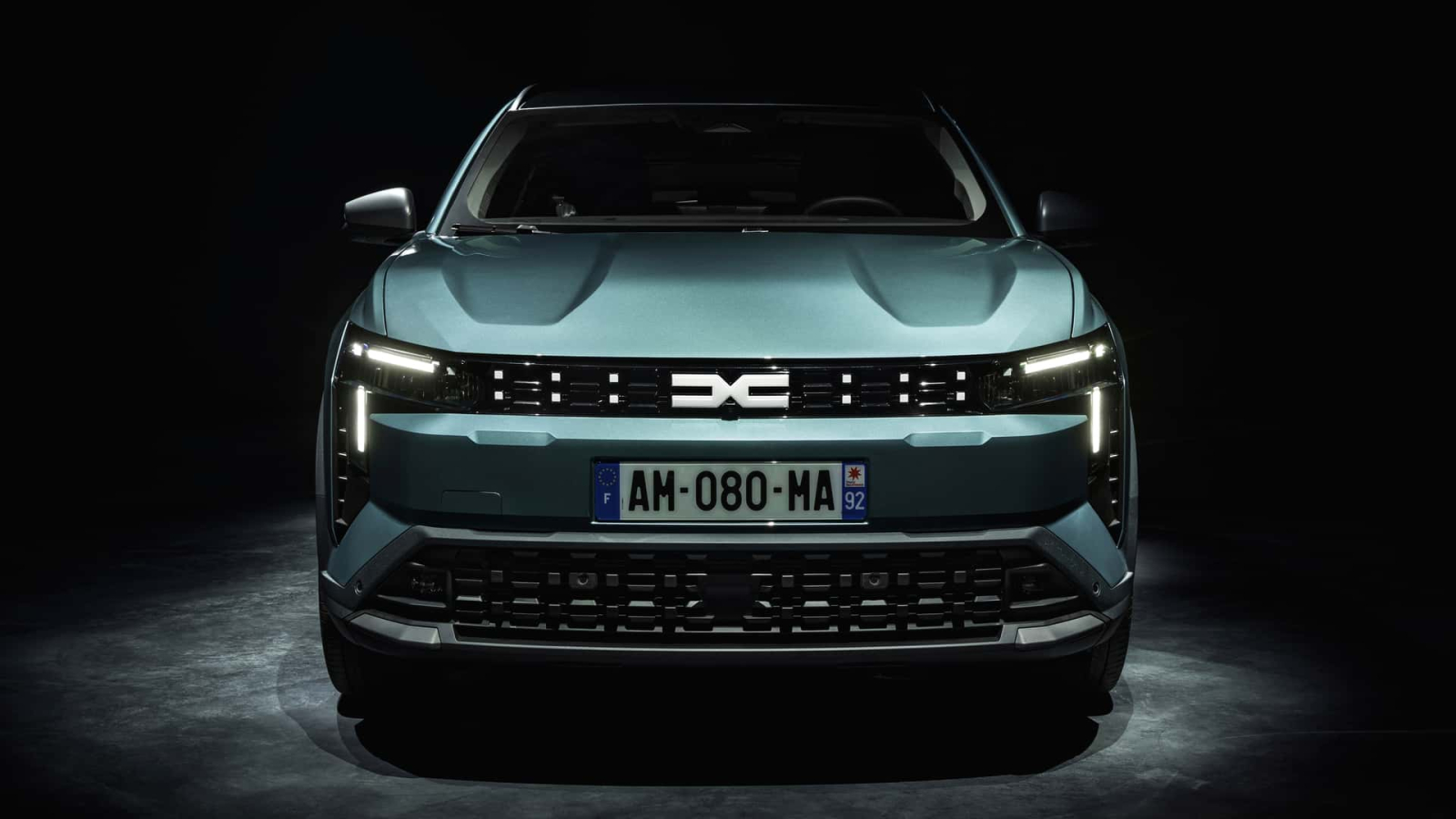
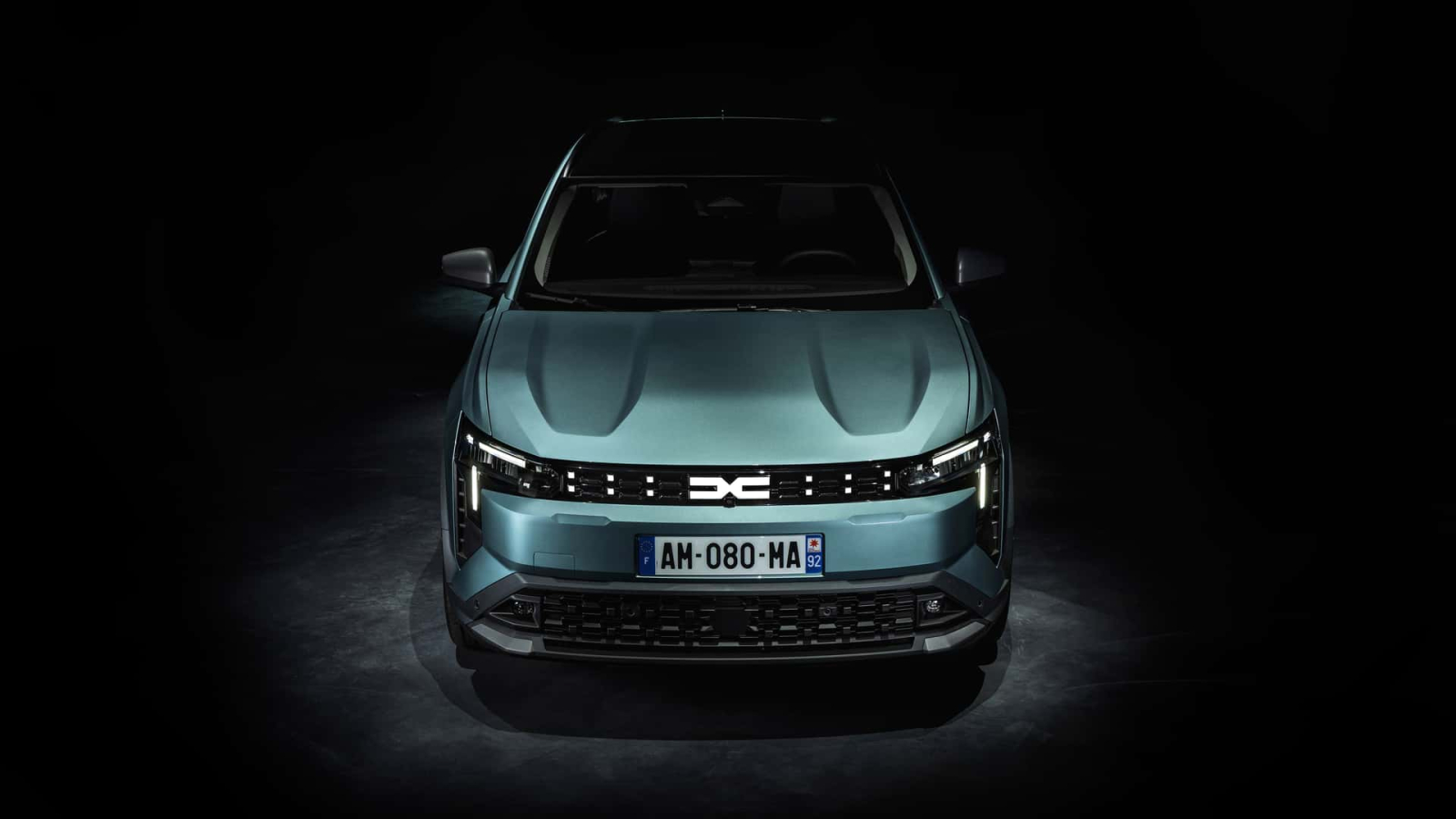
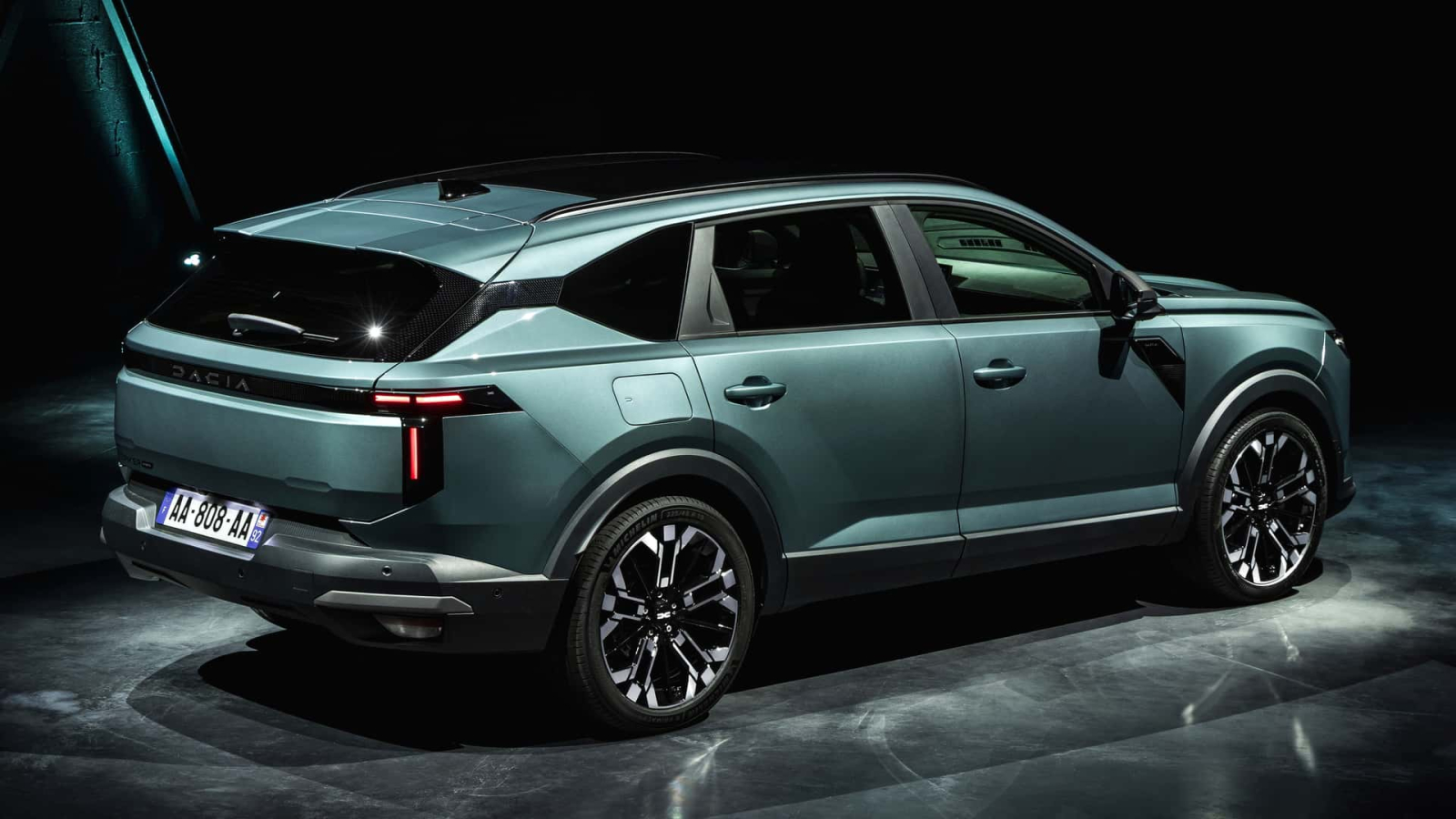
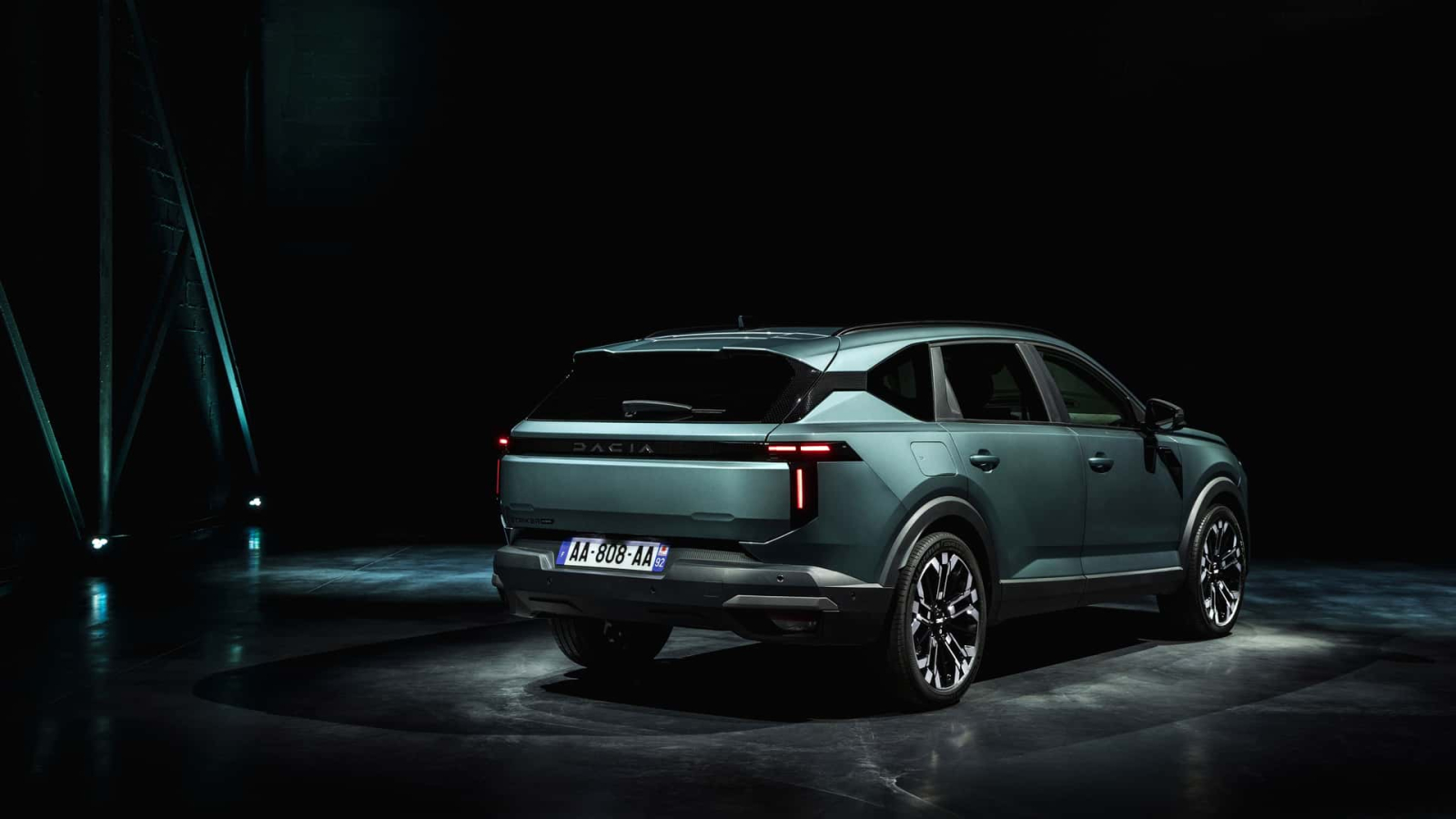
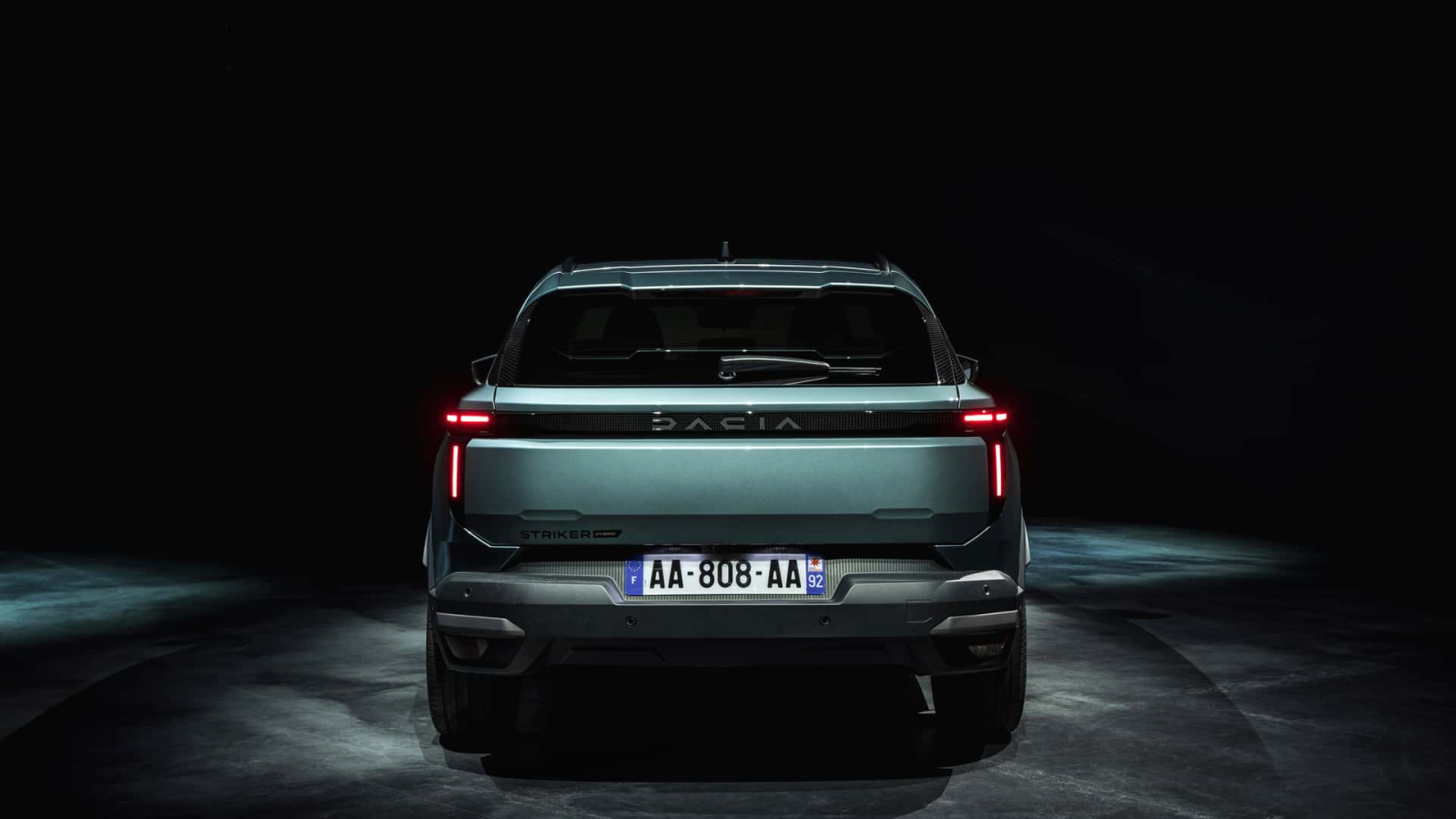
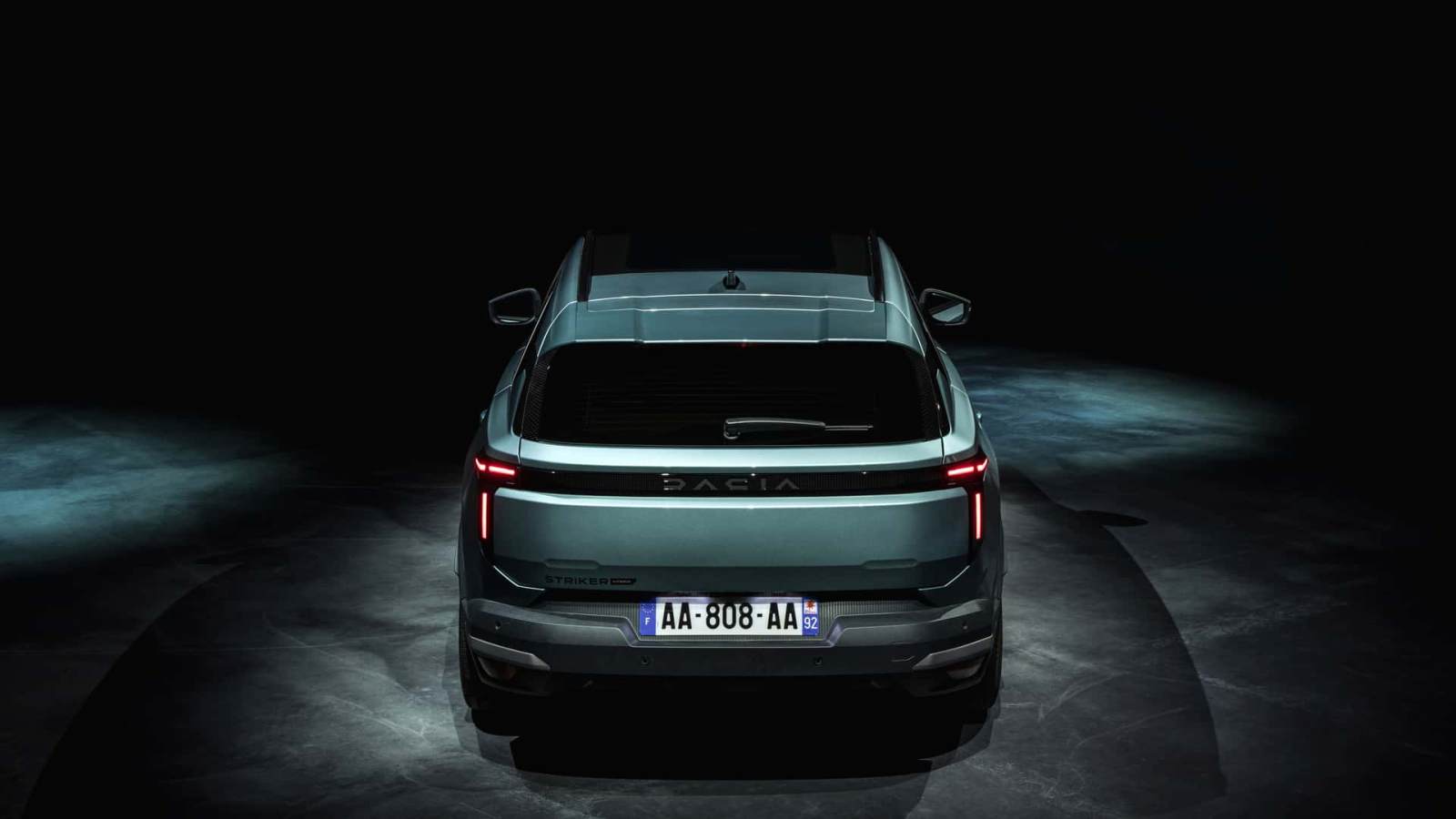
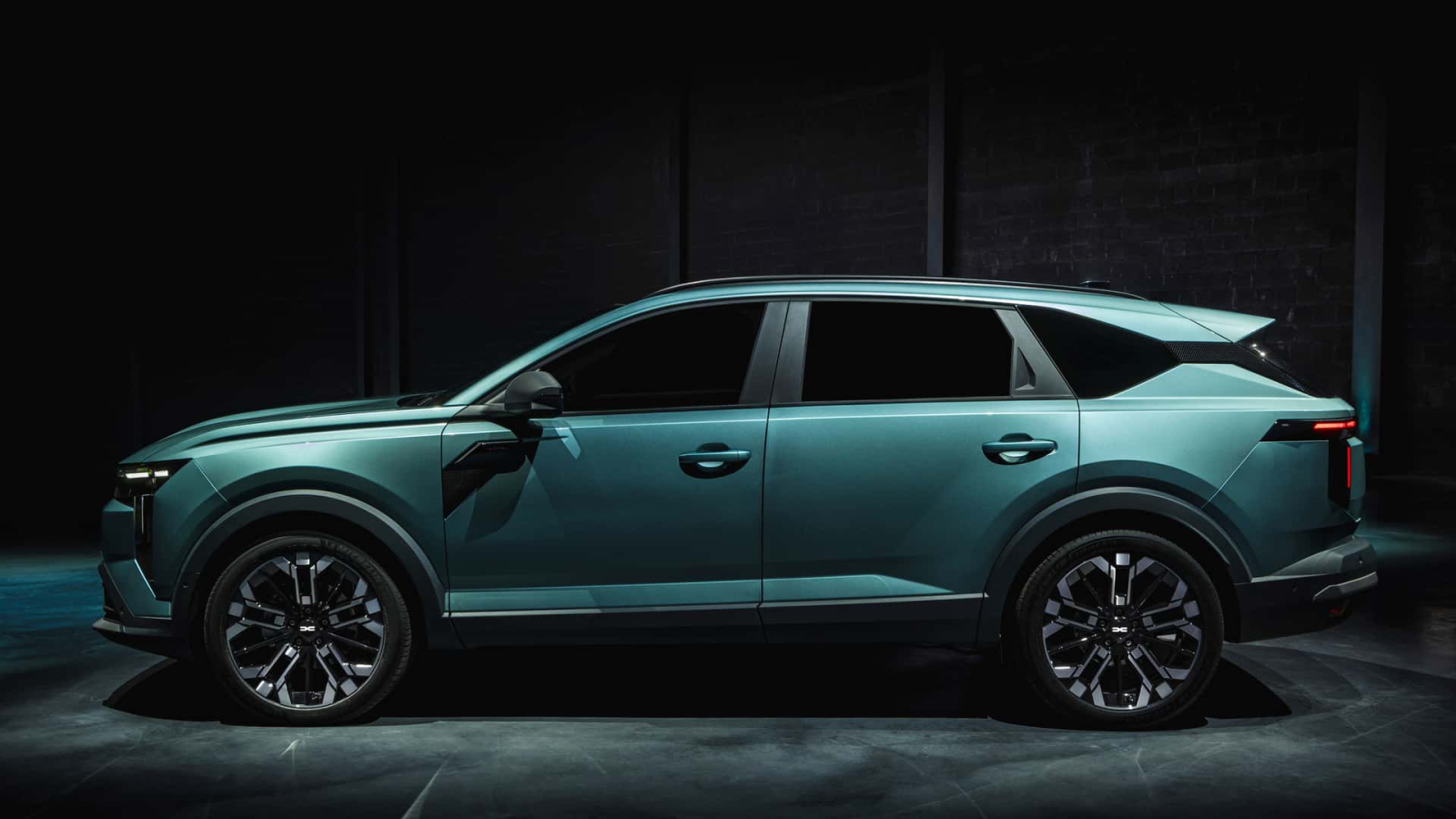
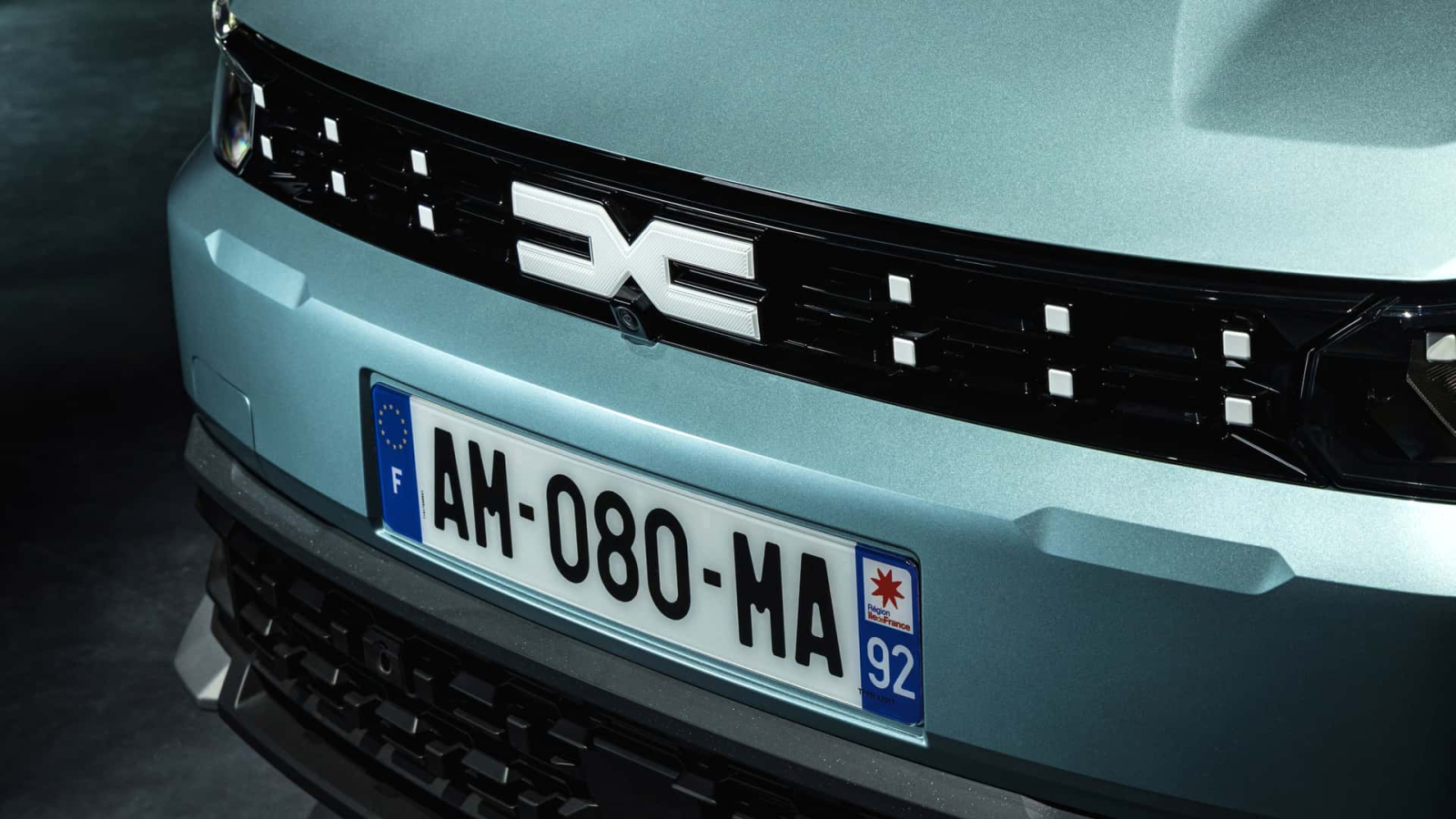
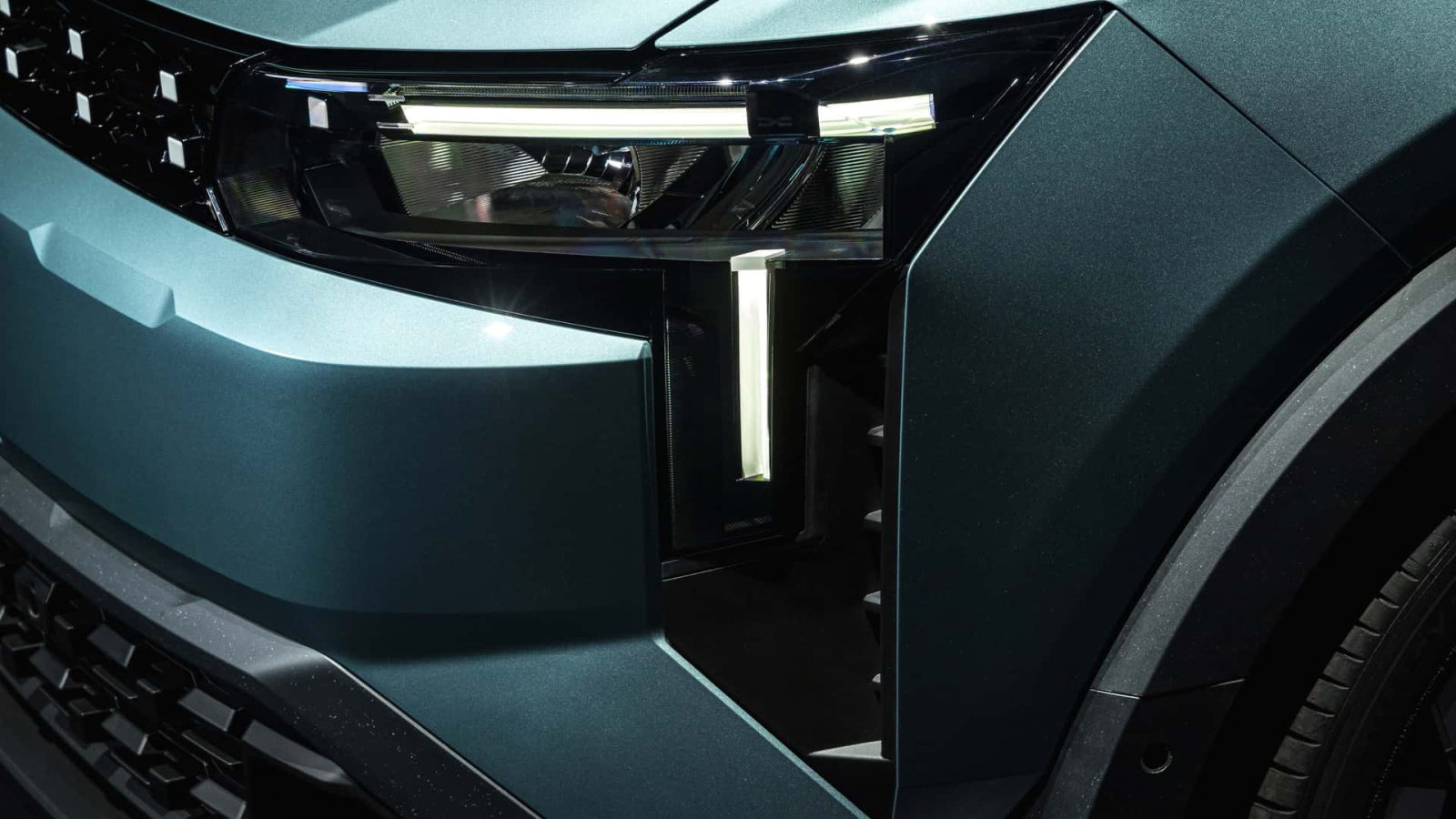
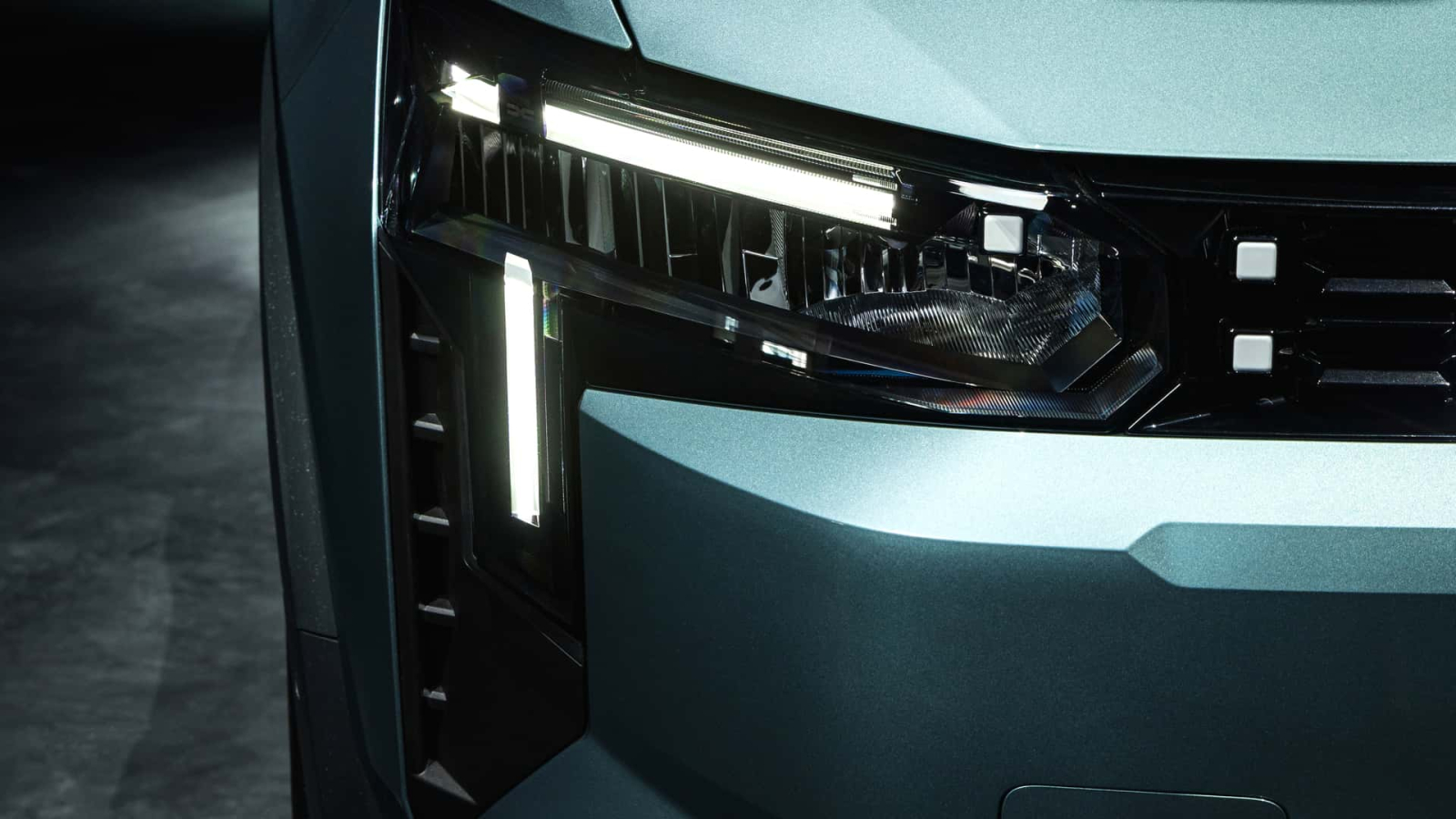
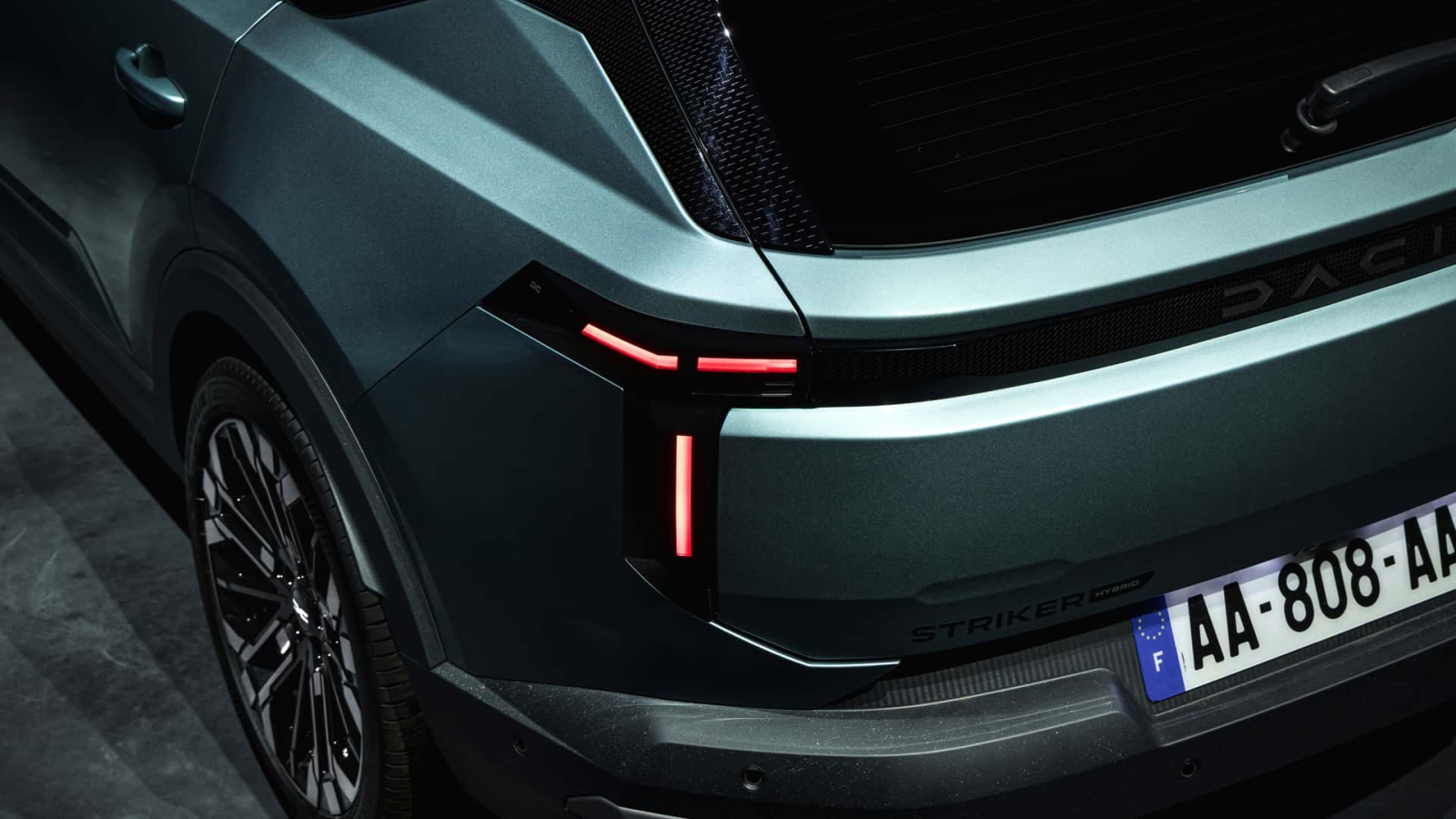
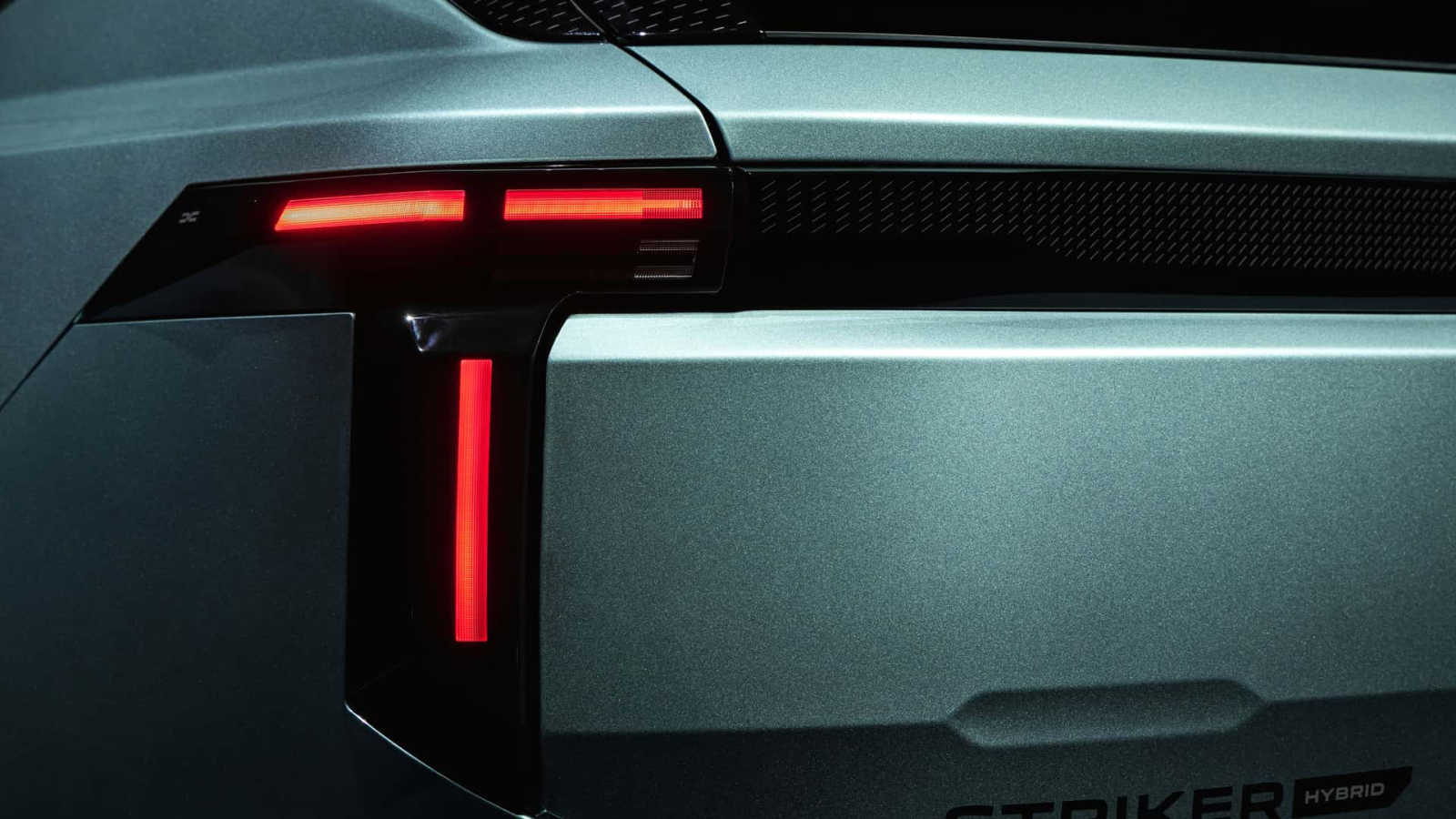
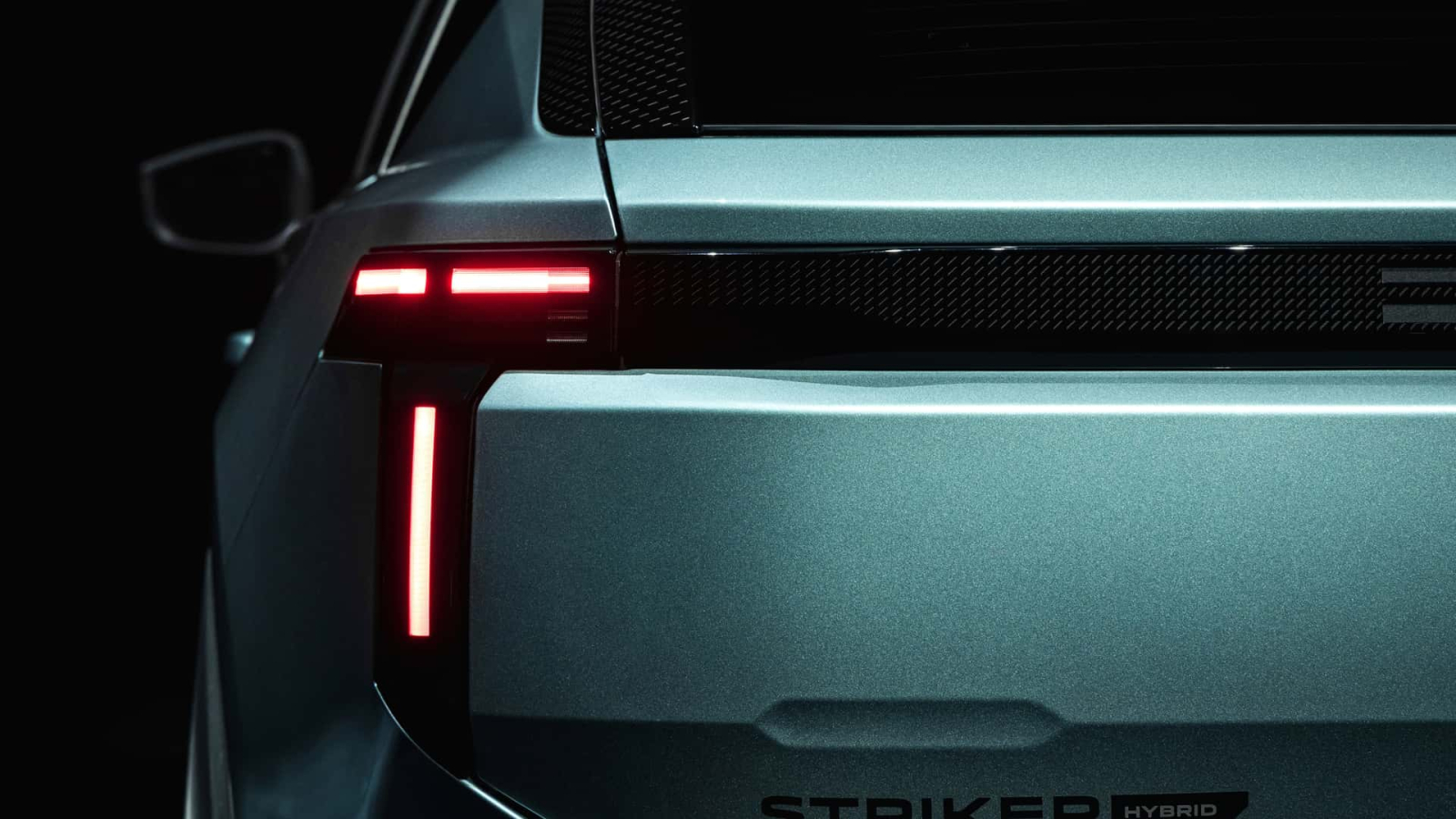
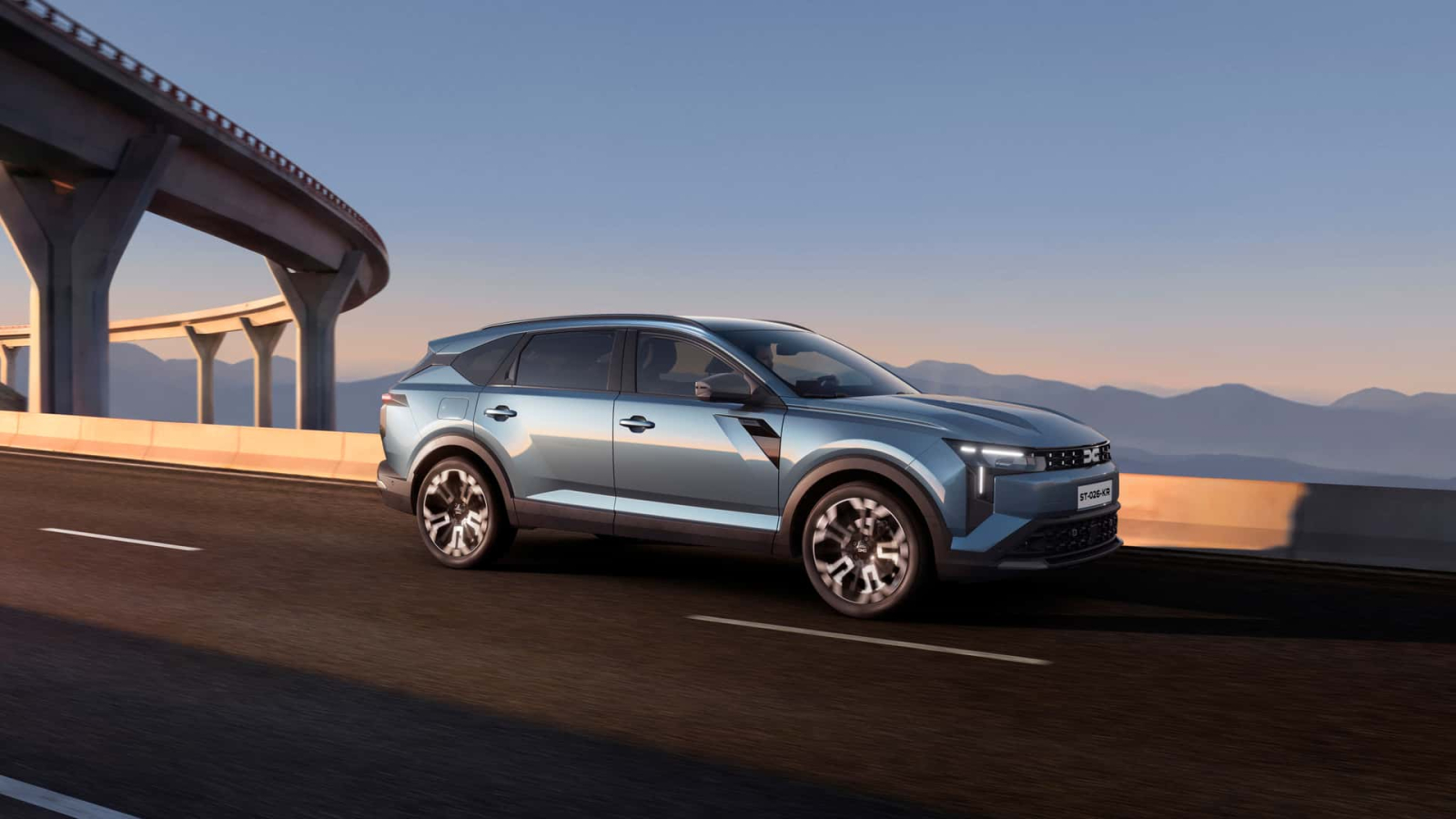
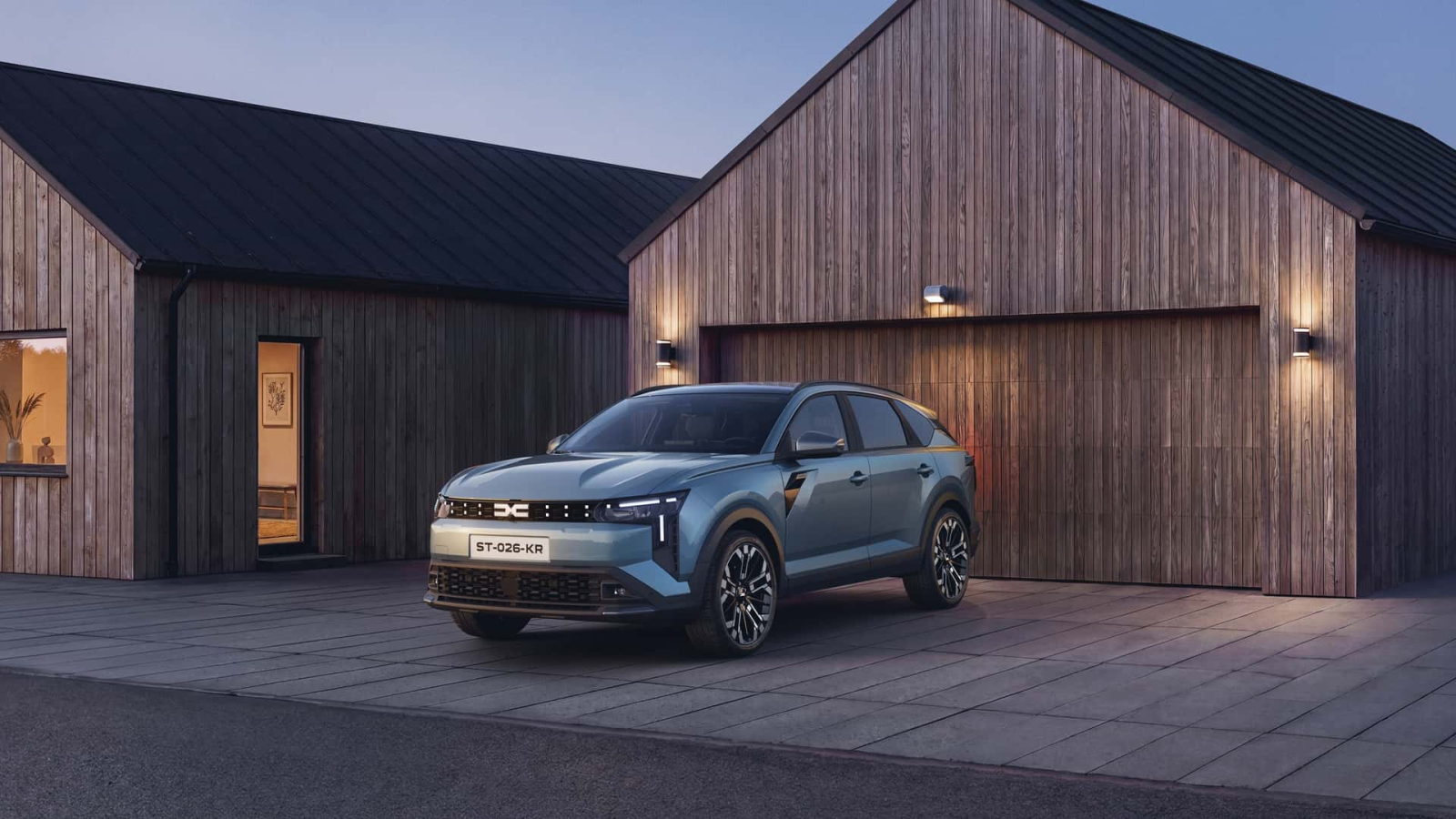
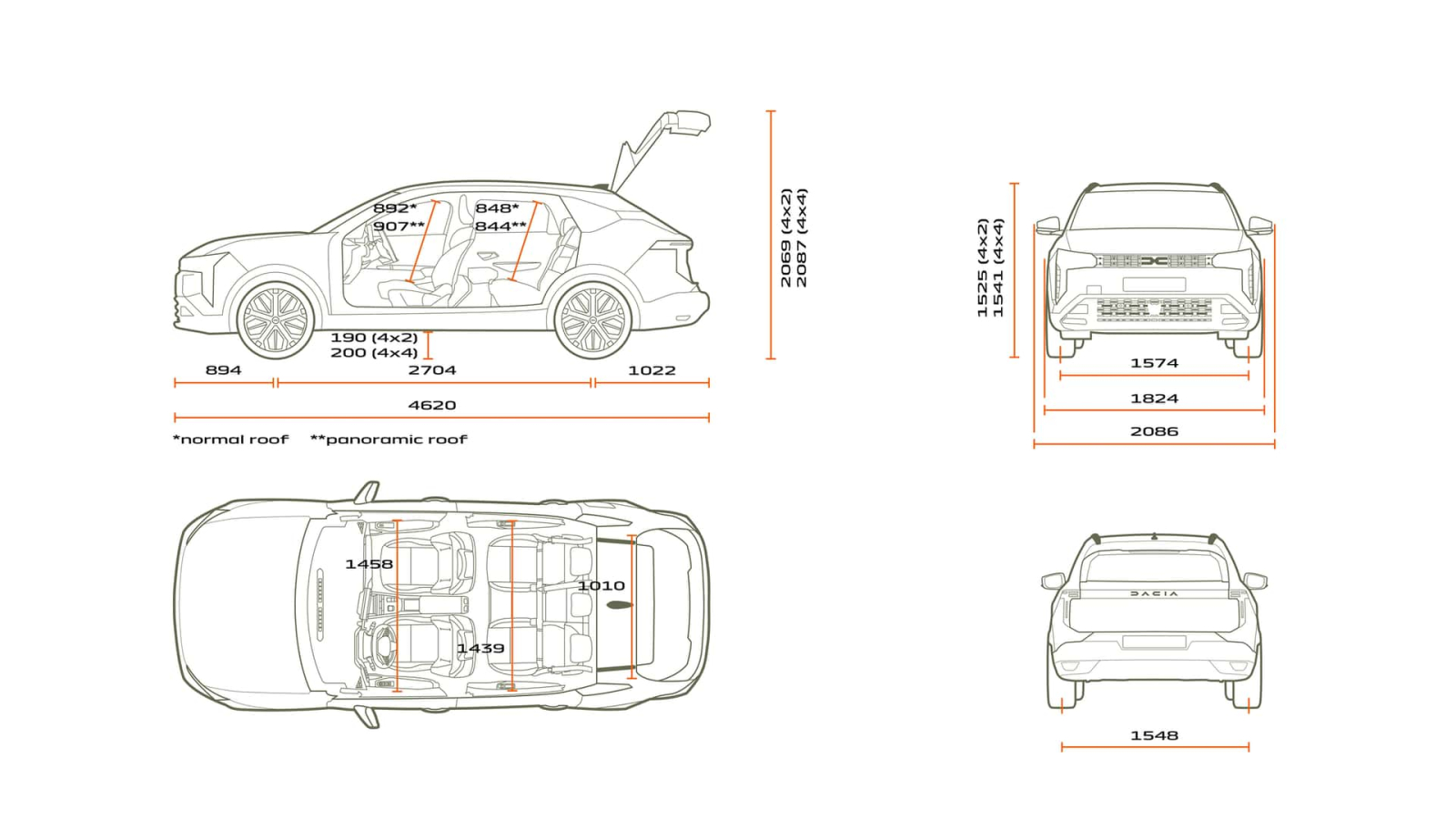
Visually, the car stands apart from the Bigster rather than simply copying it in a lower stance. It features its own shape, fresh T-style lighting at both ends, and pronounced body cladding that helps reinforce the rugged theme. At 4.62 meters long, it fits the compact class while still presenting a substantial footprint.
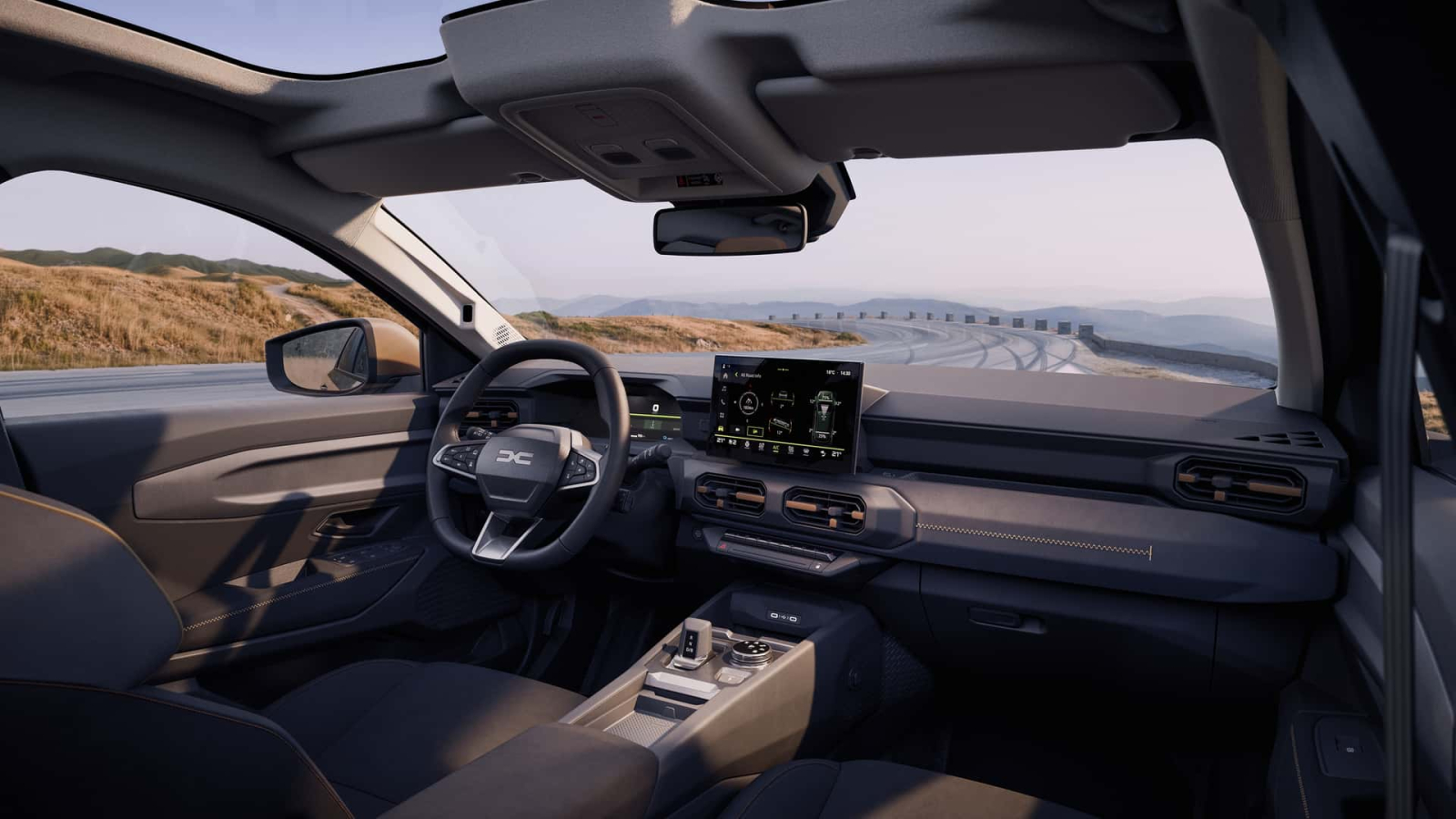
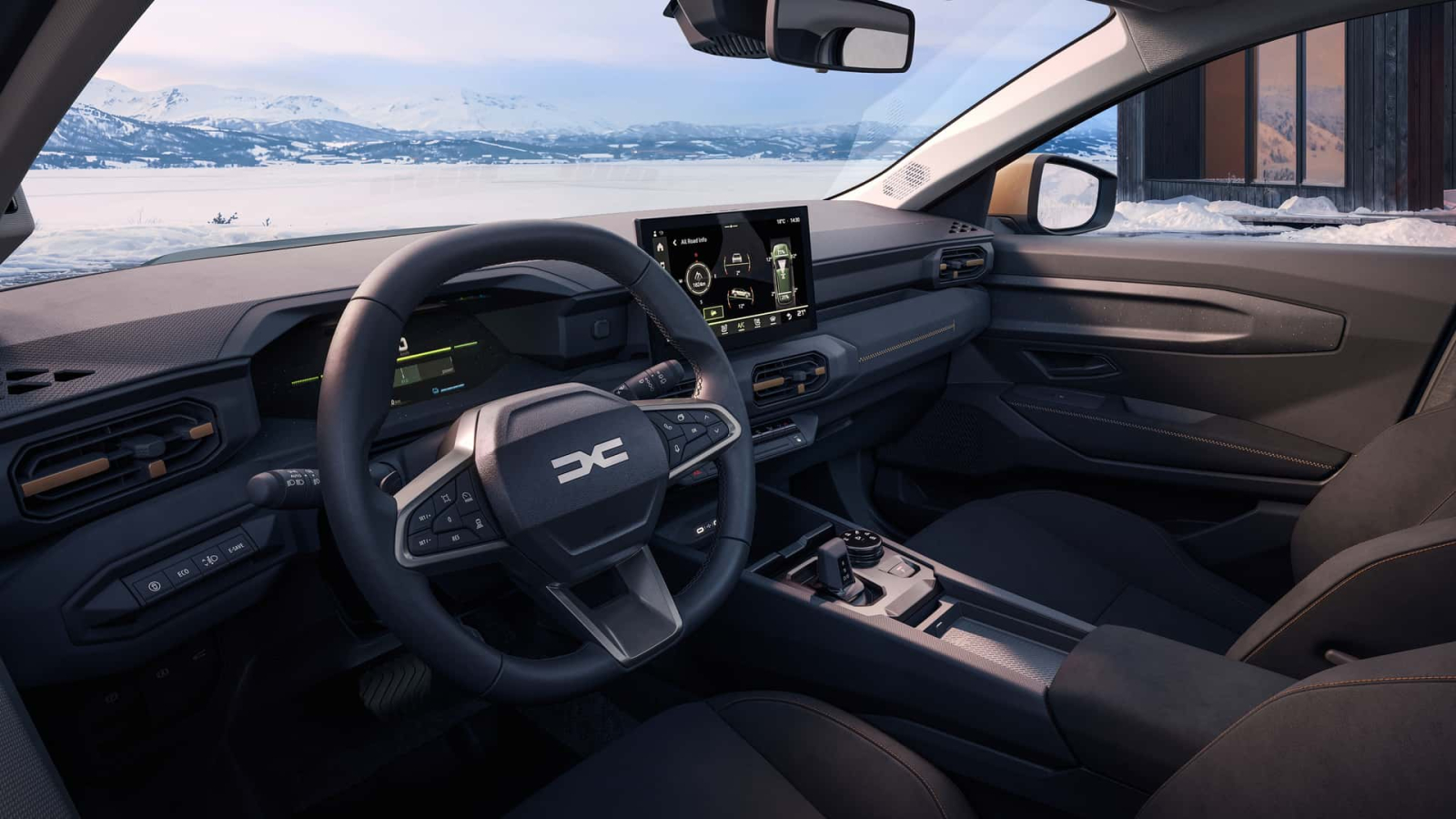
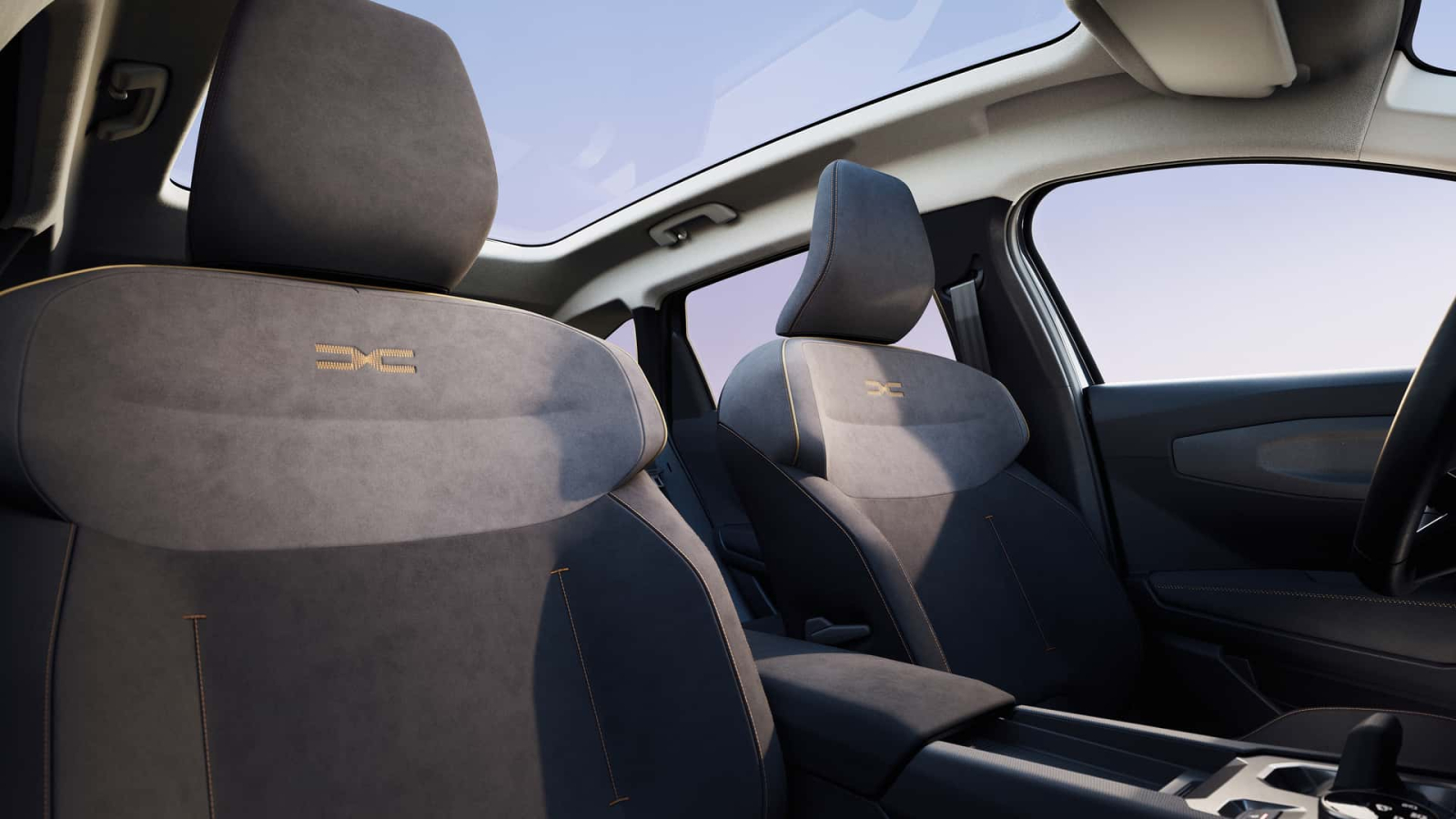
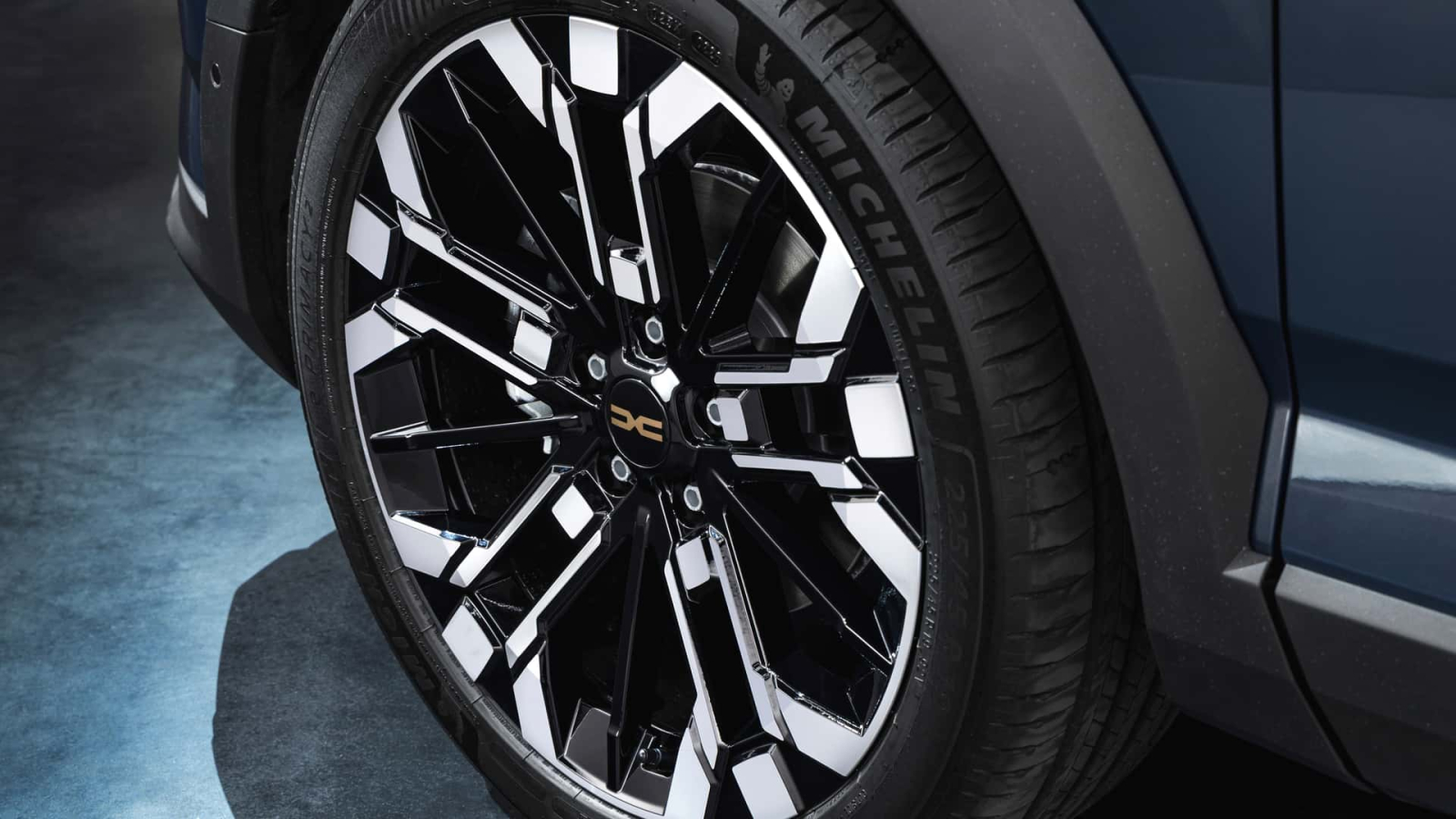
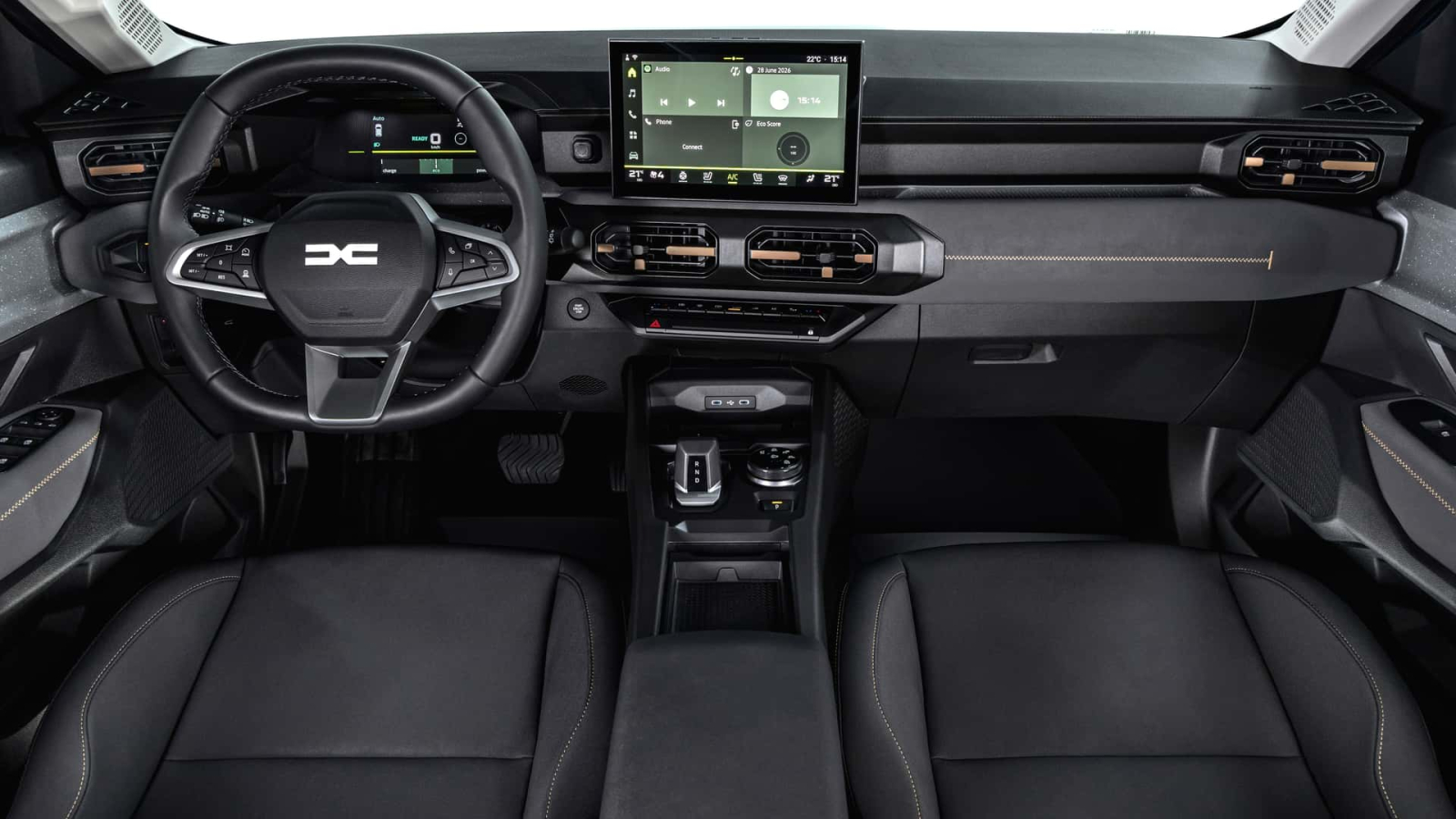
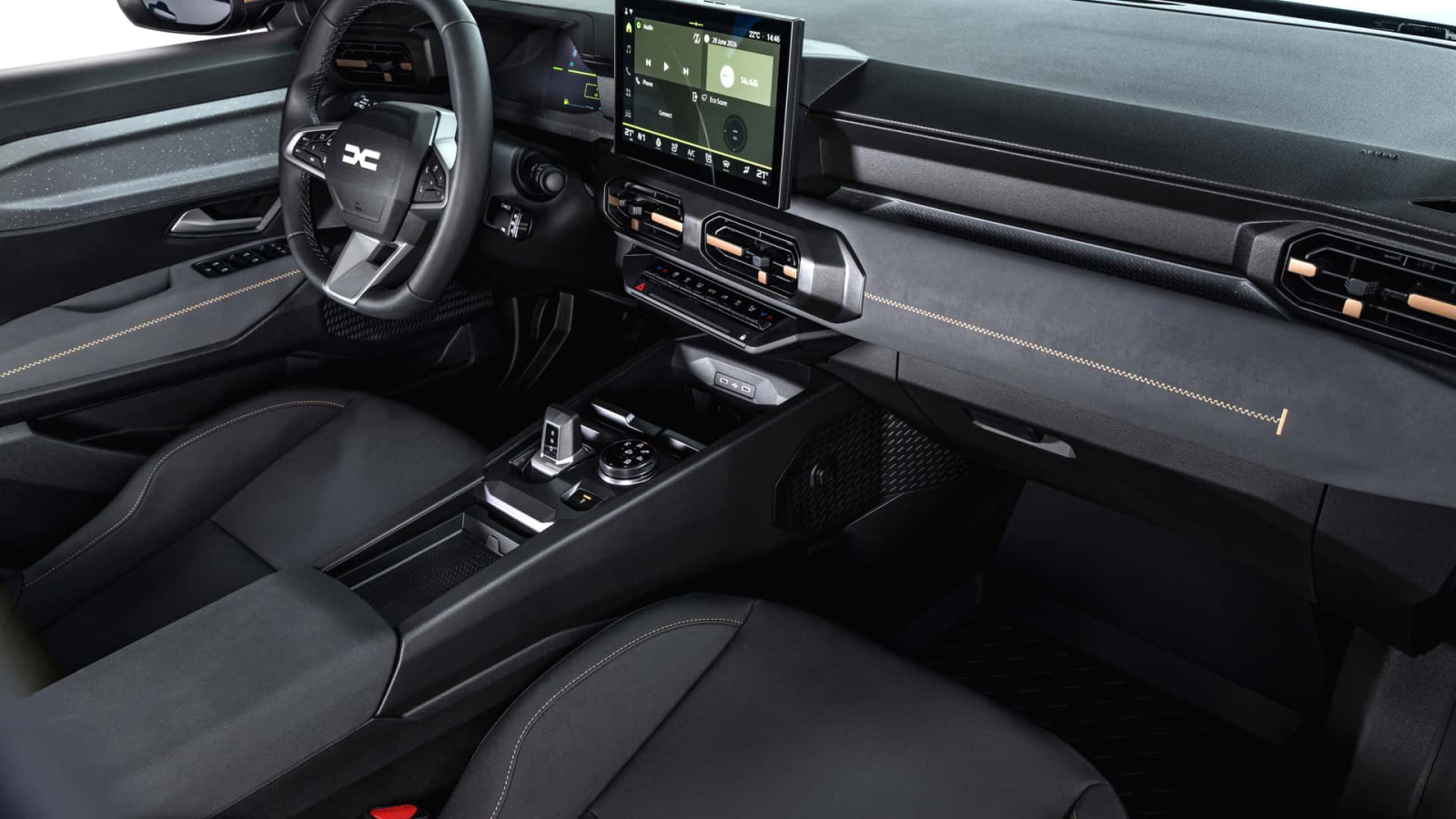
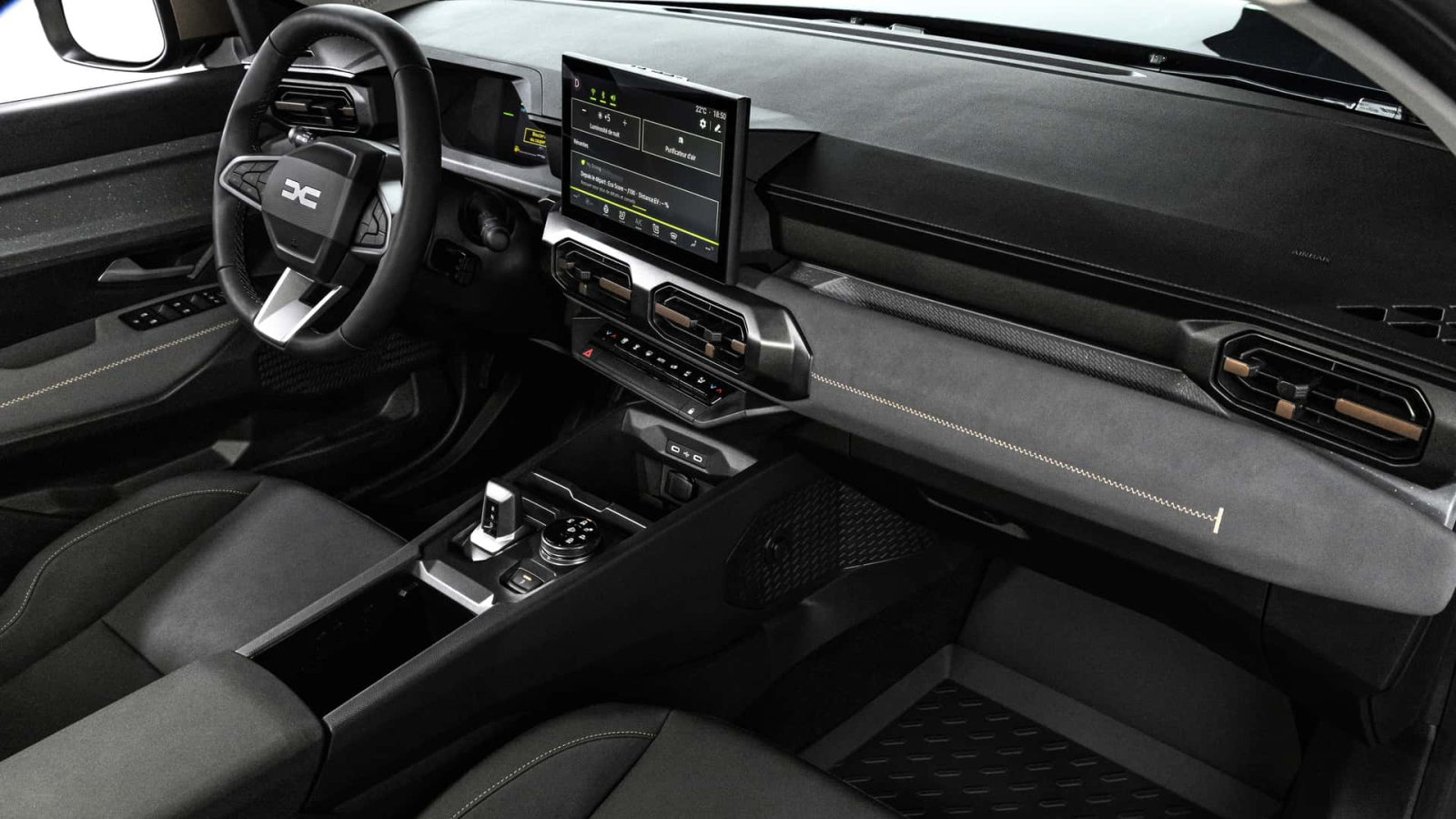
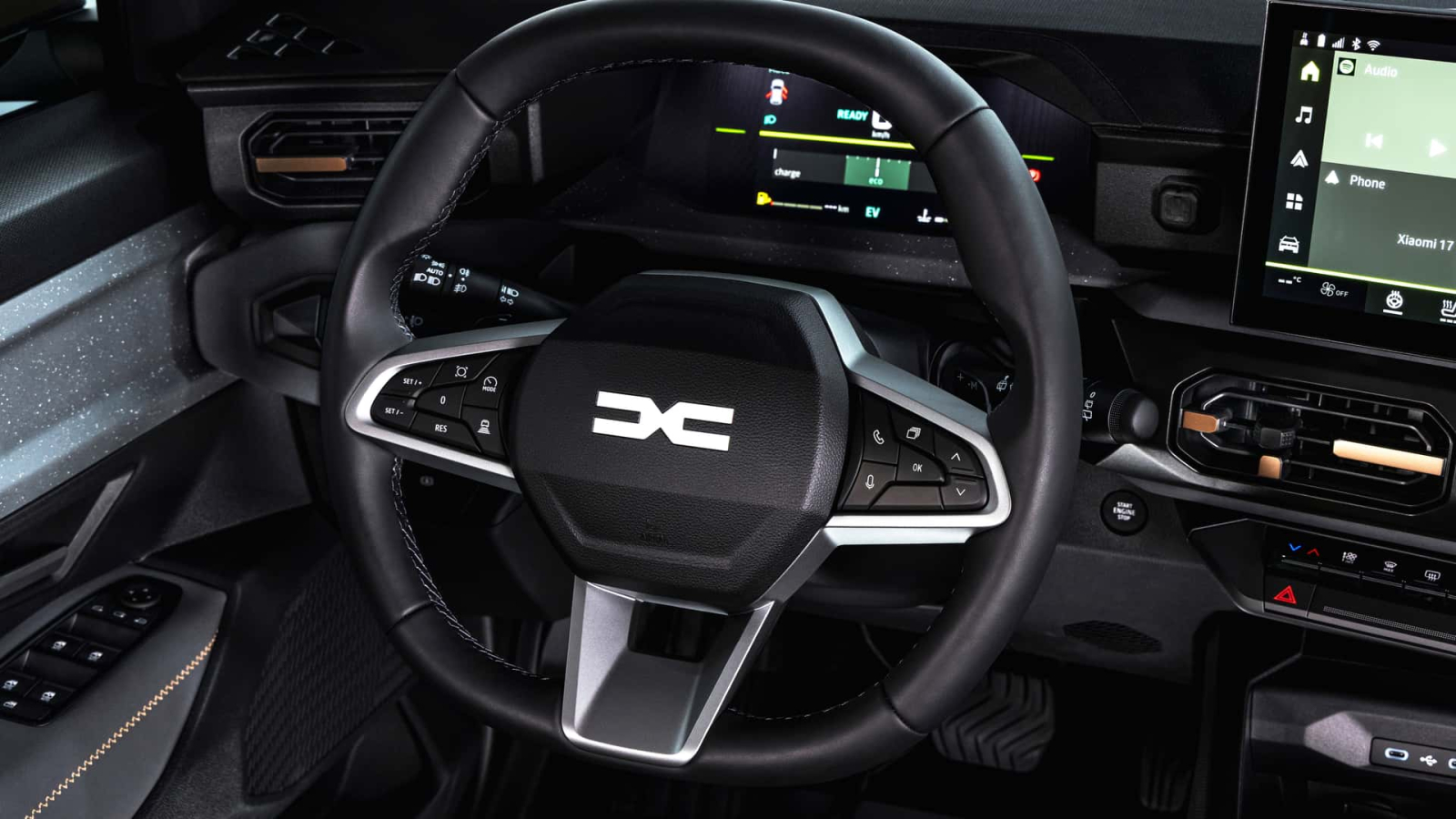
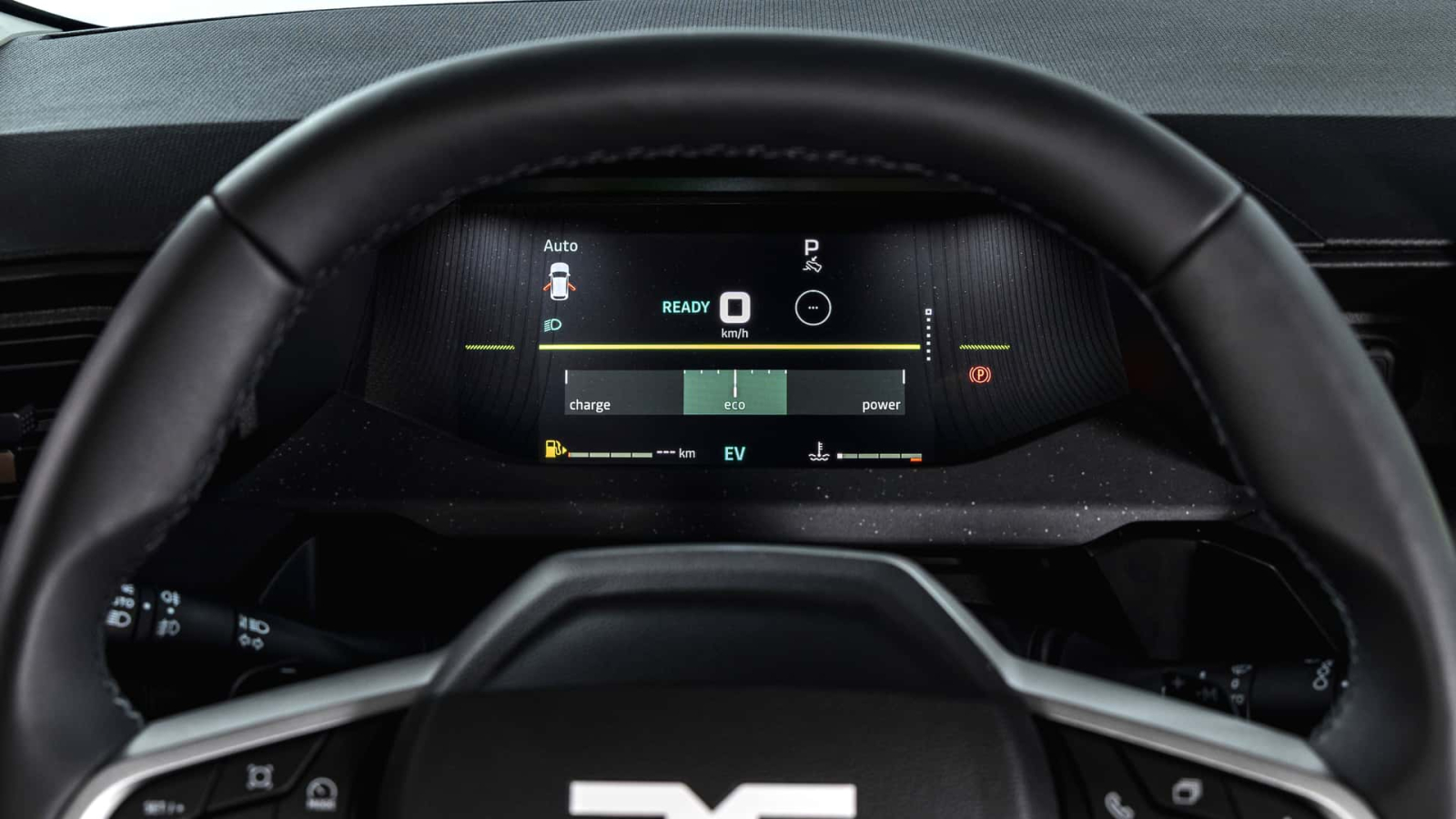
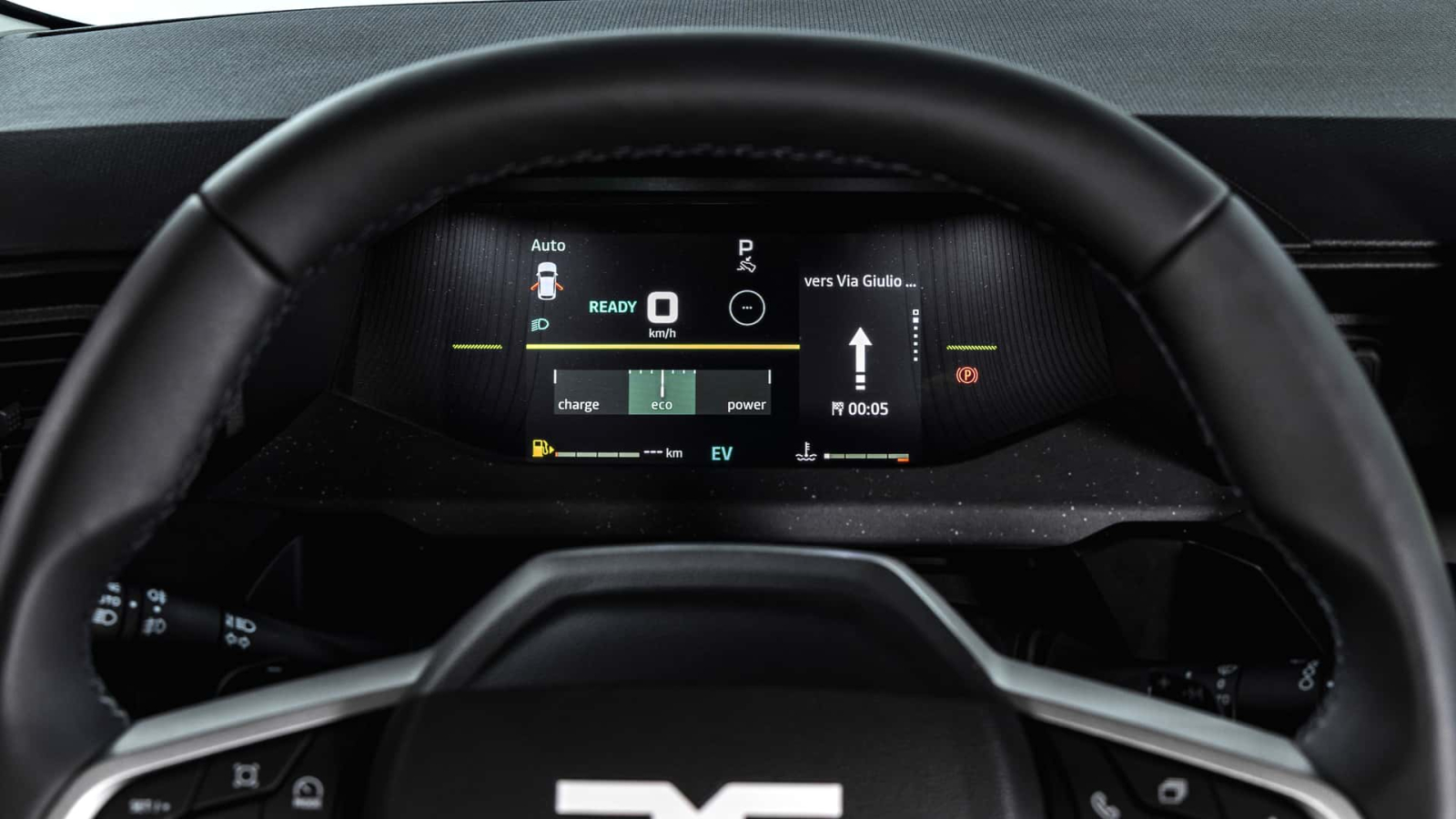
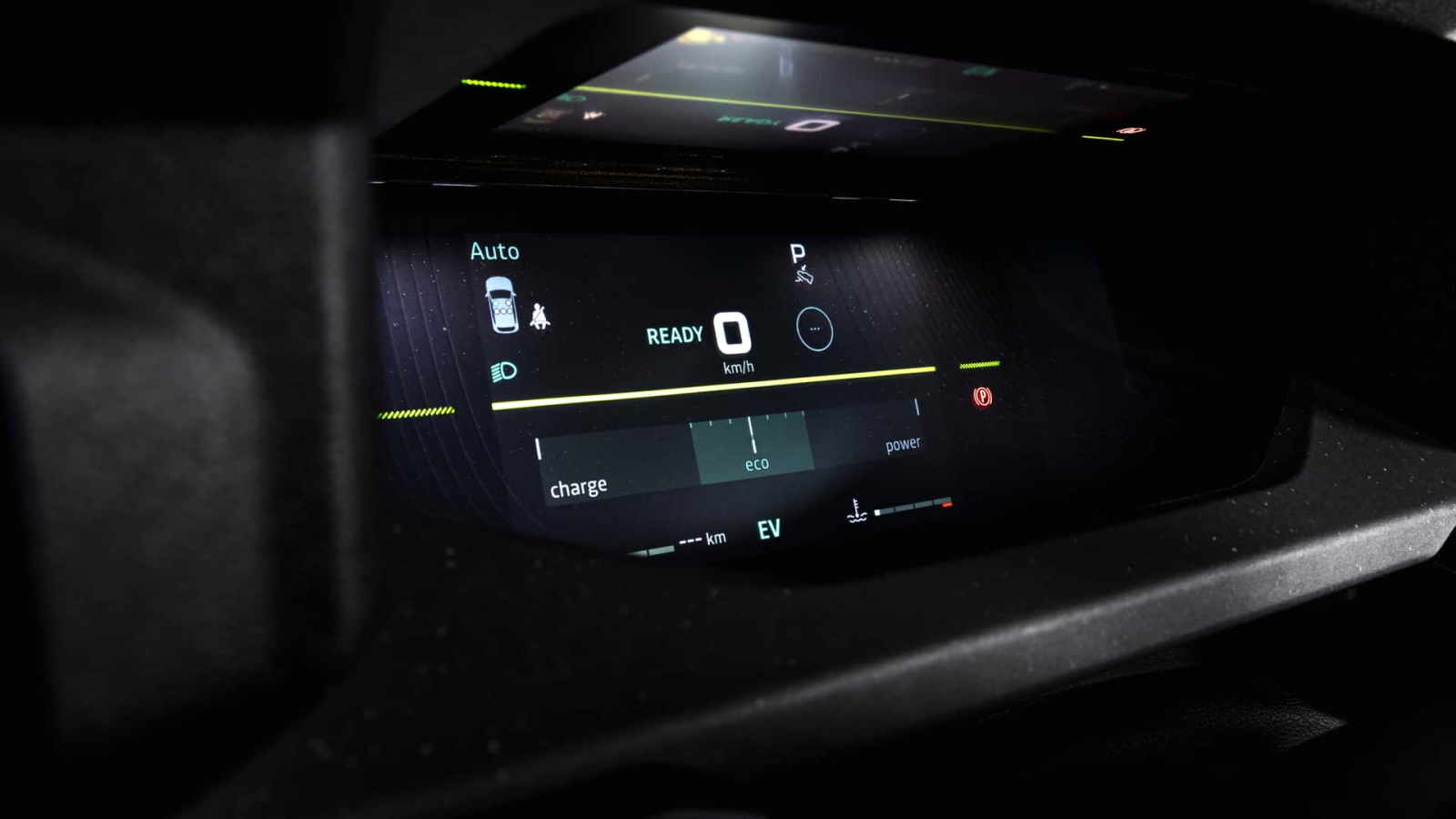
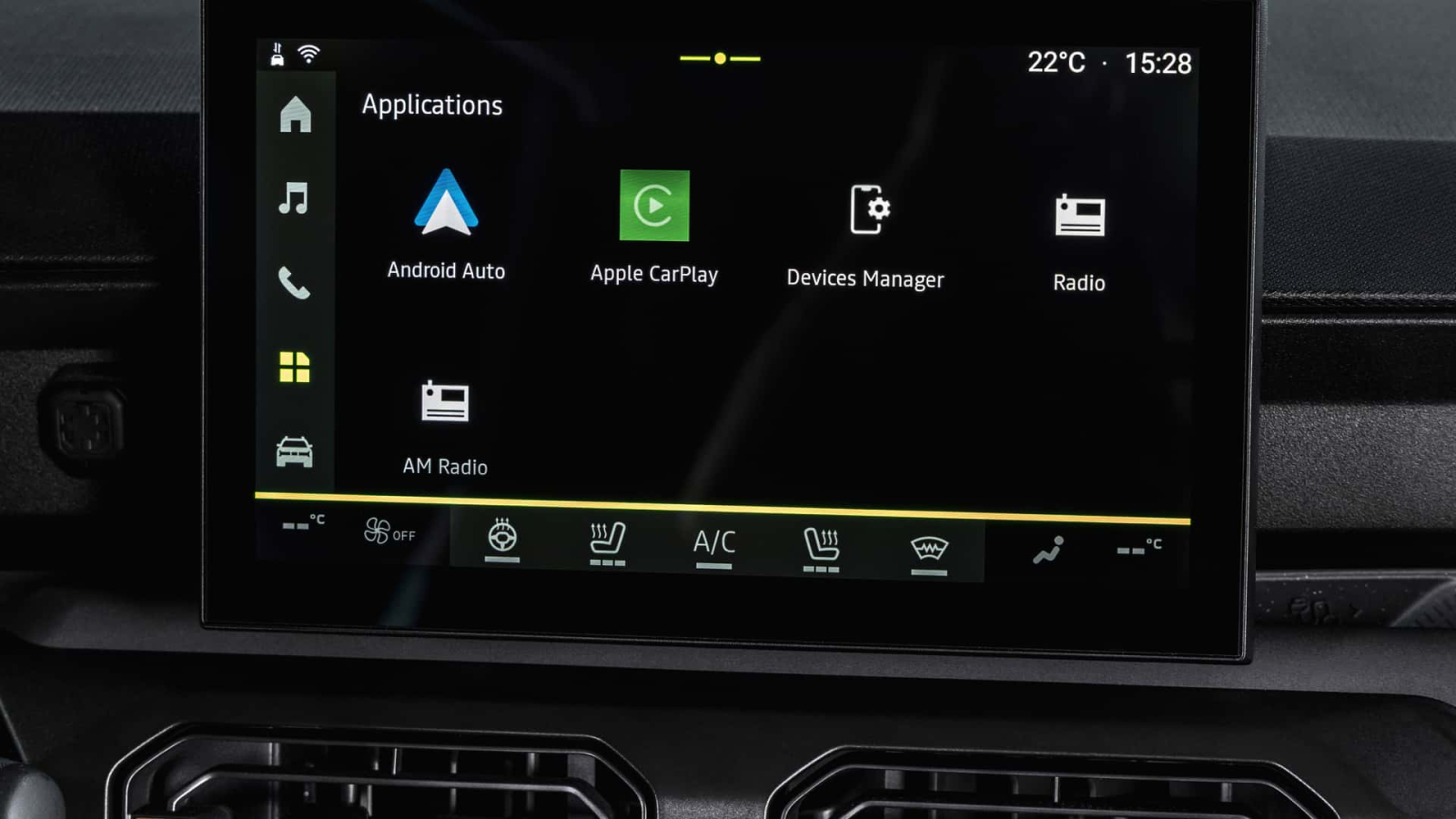
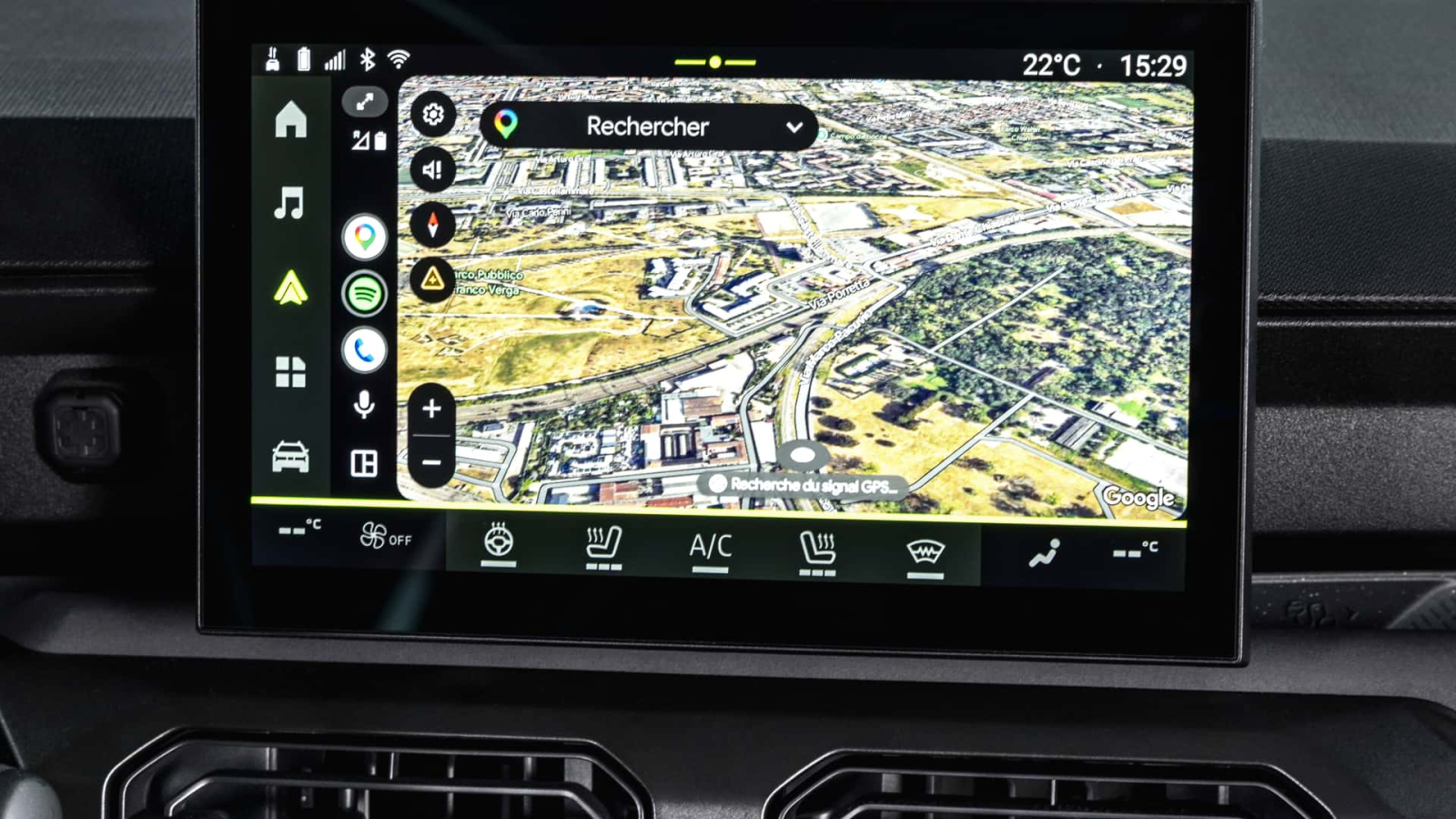
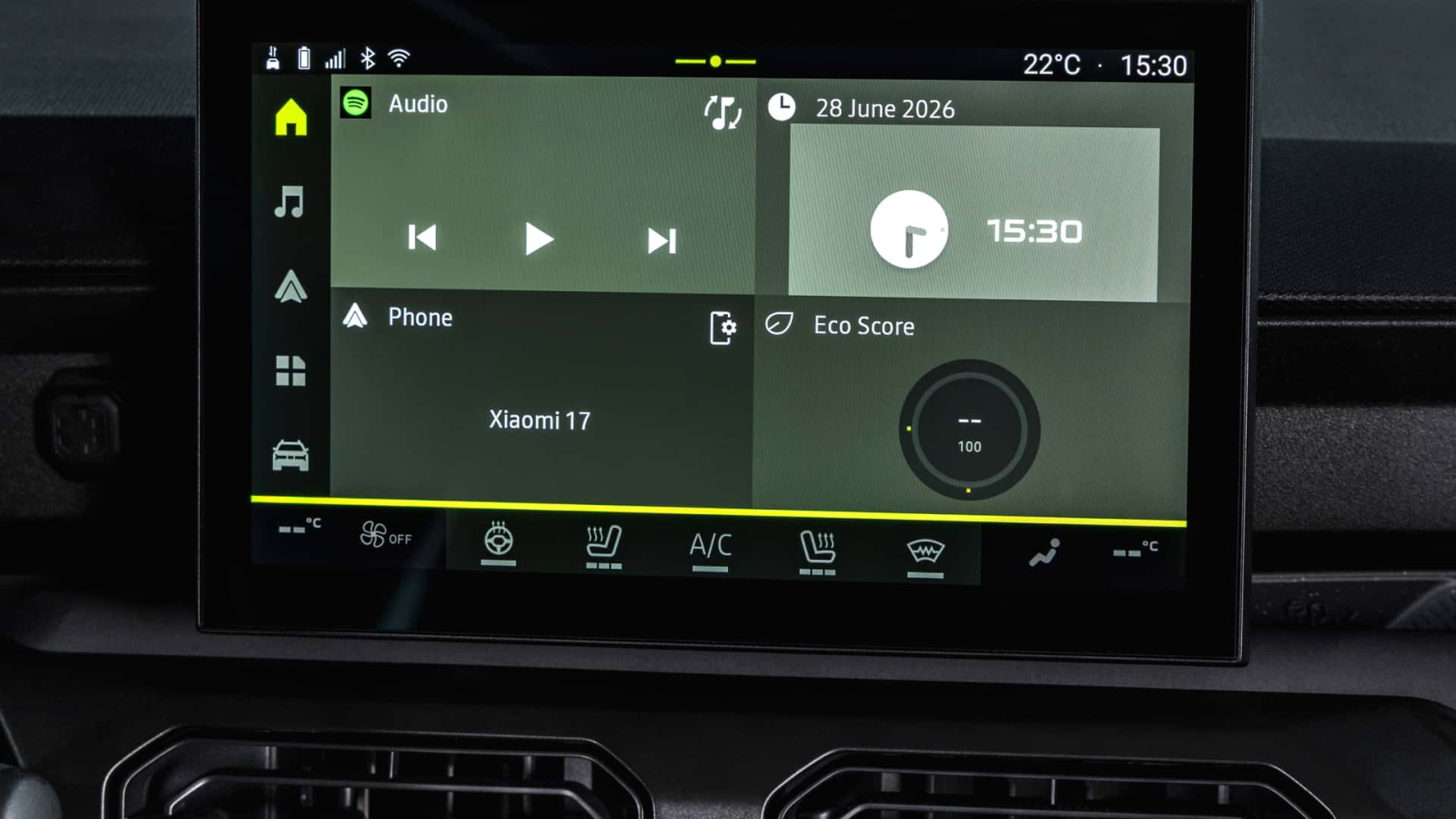
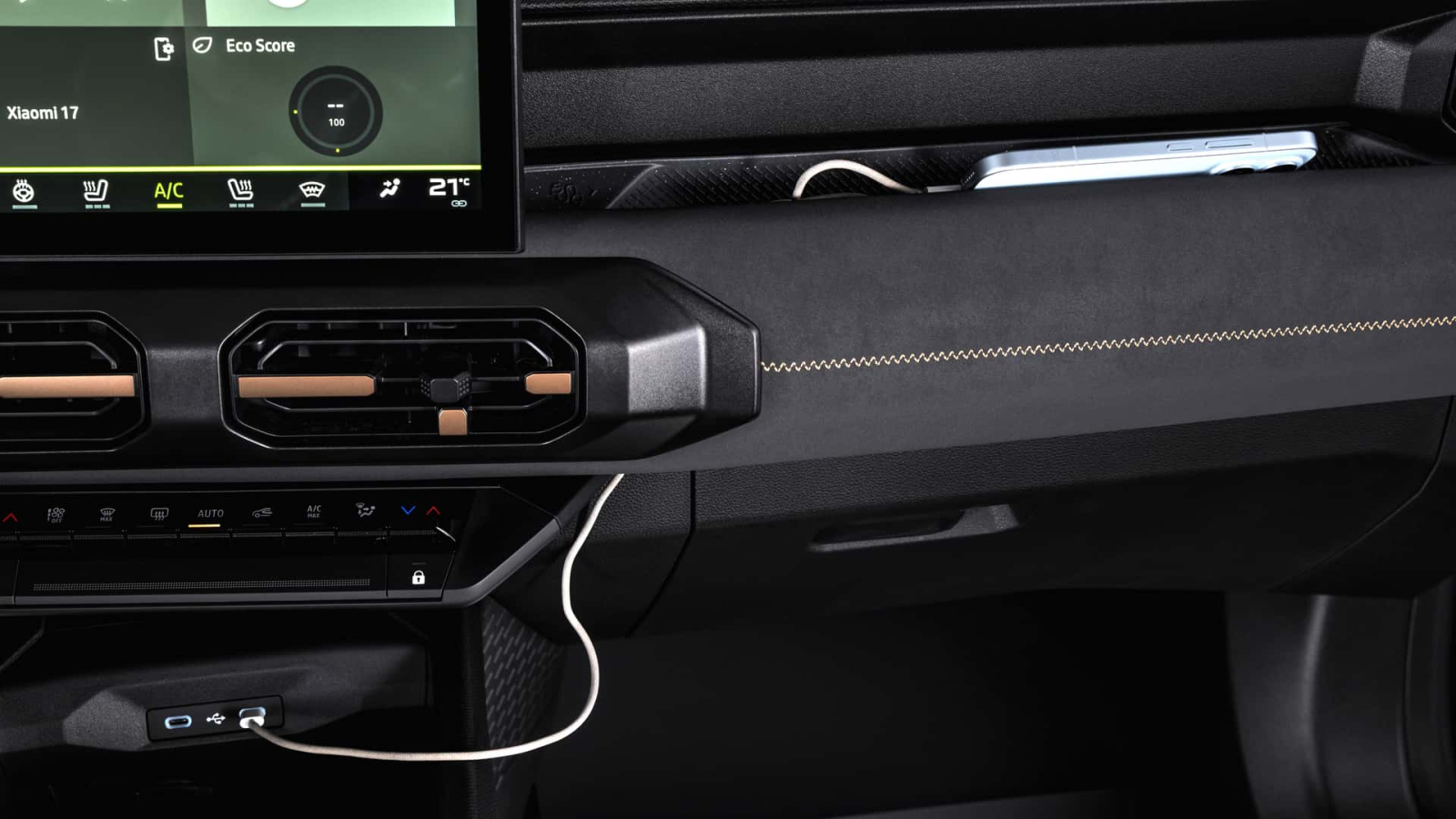
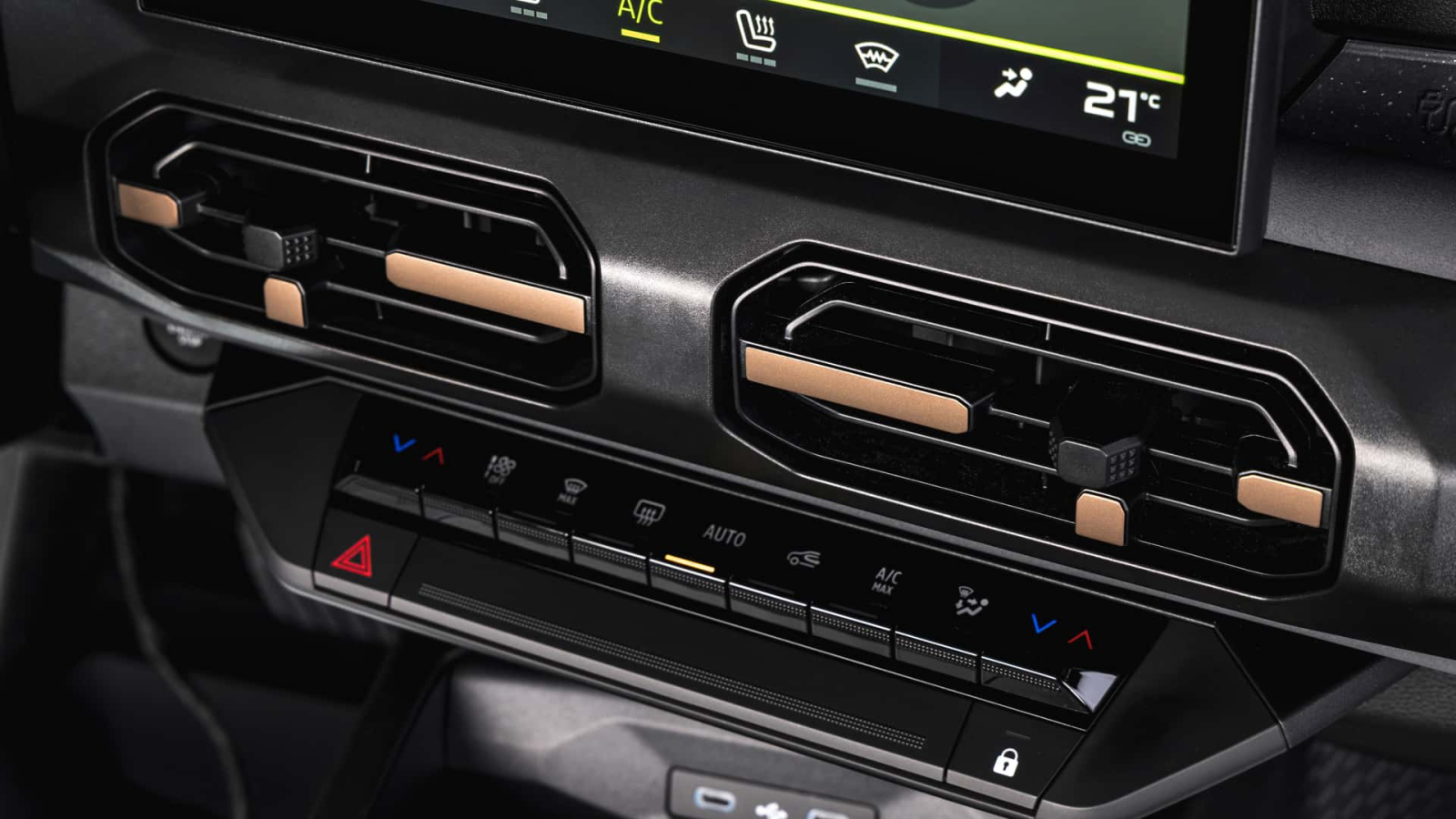
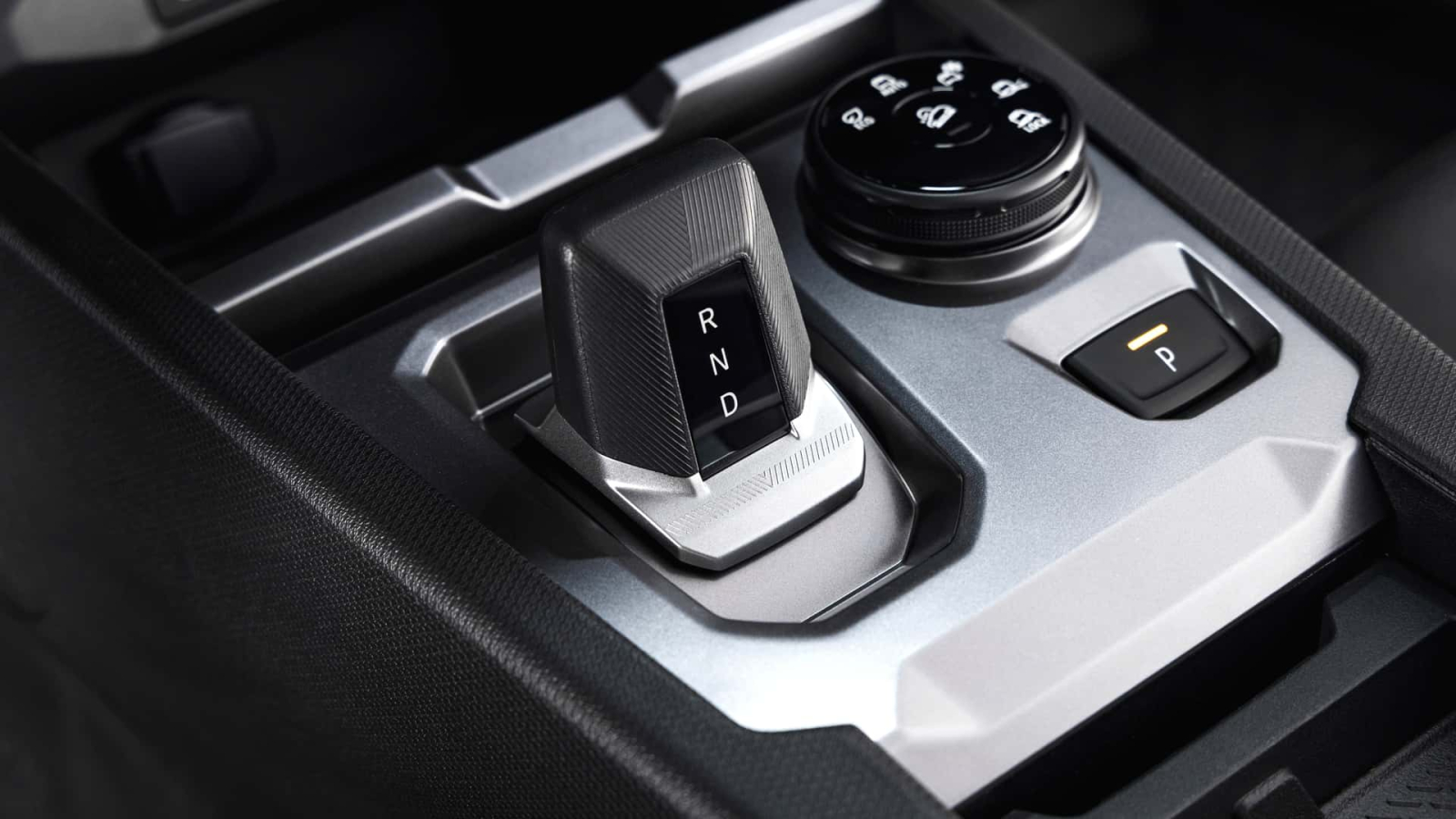
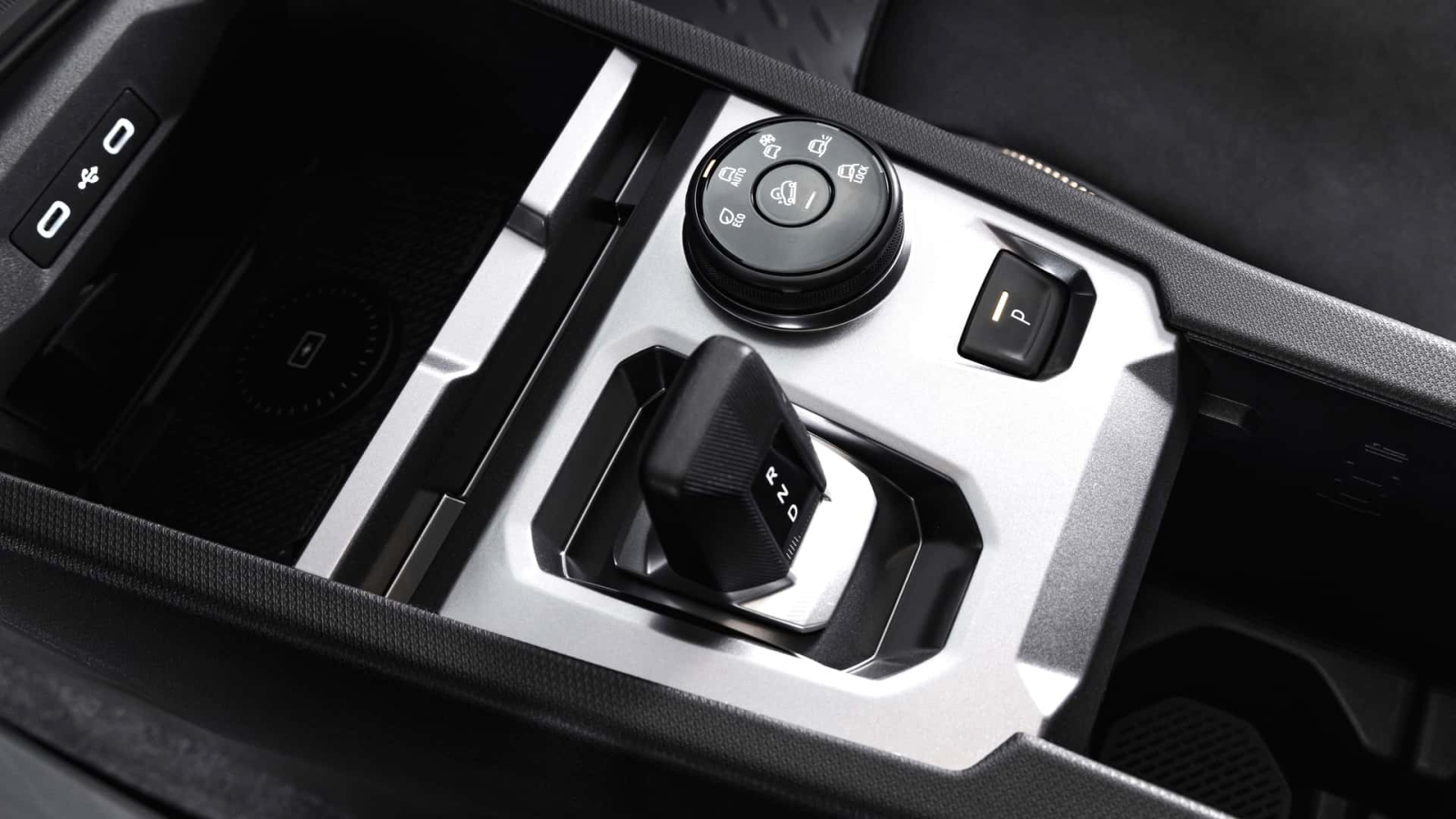
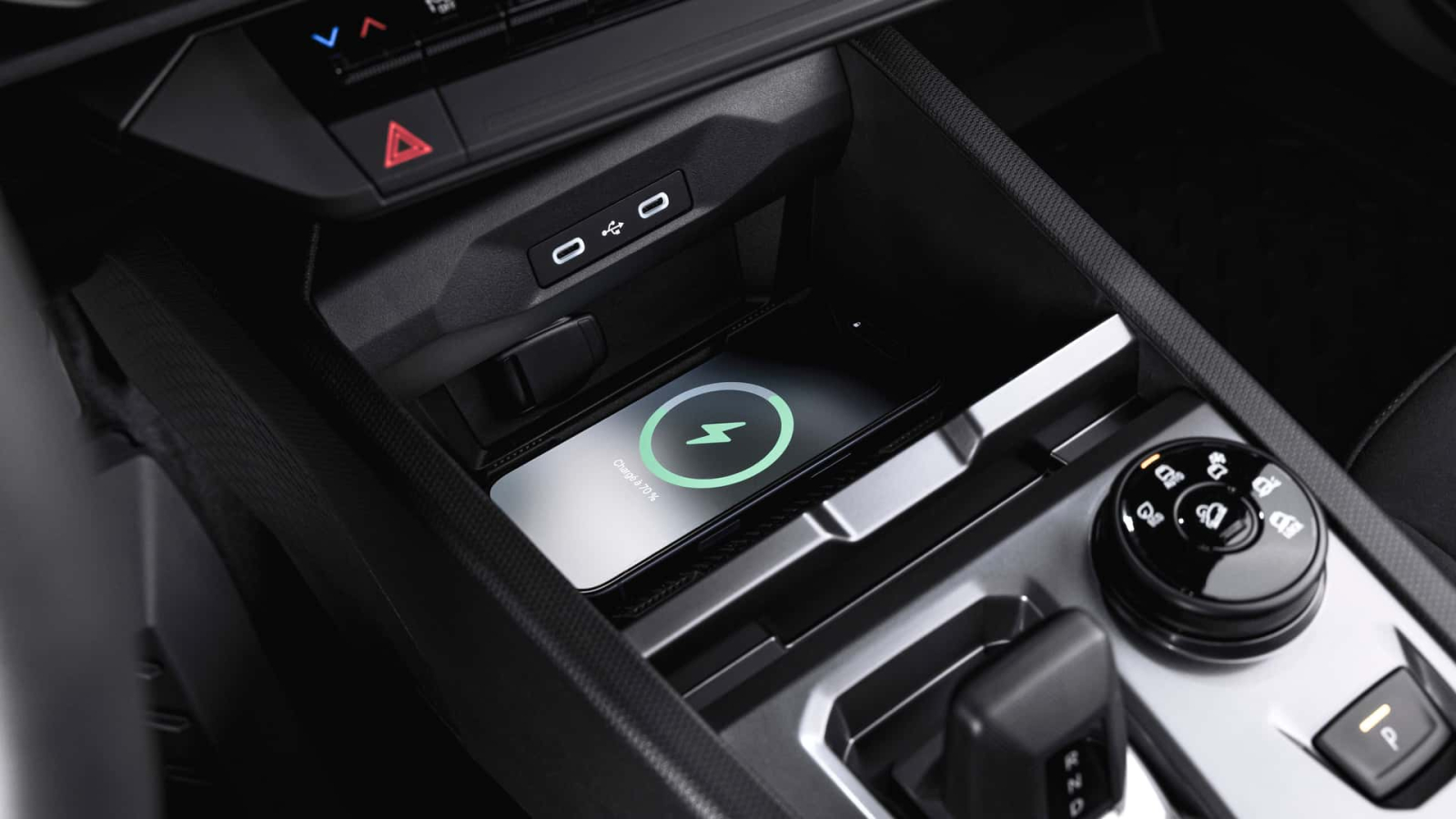
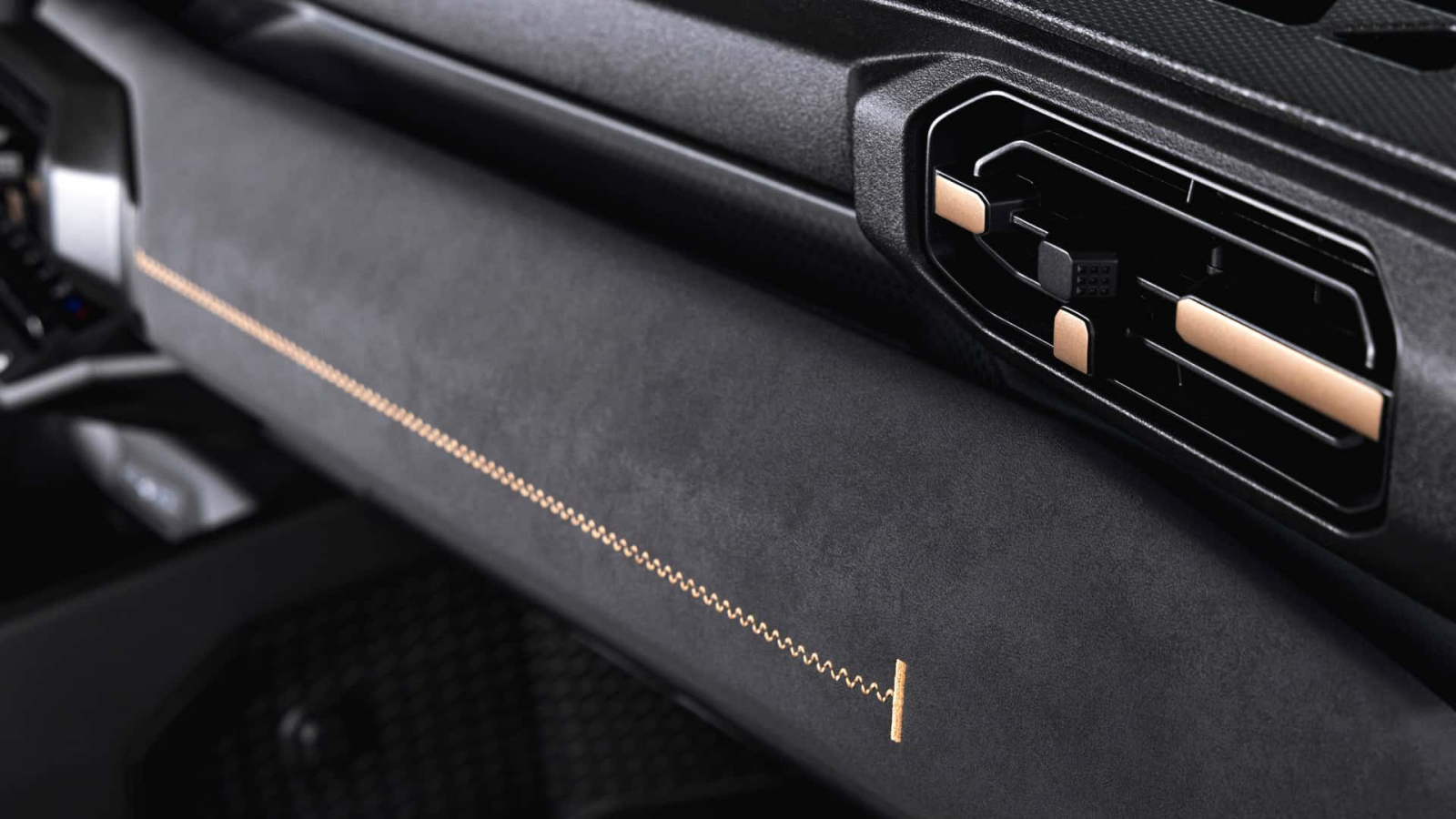
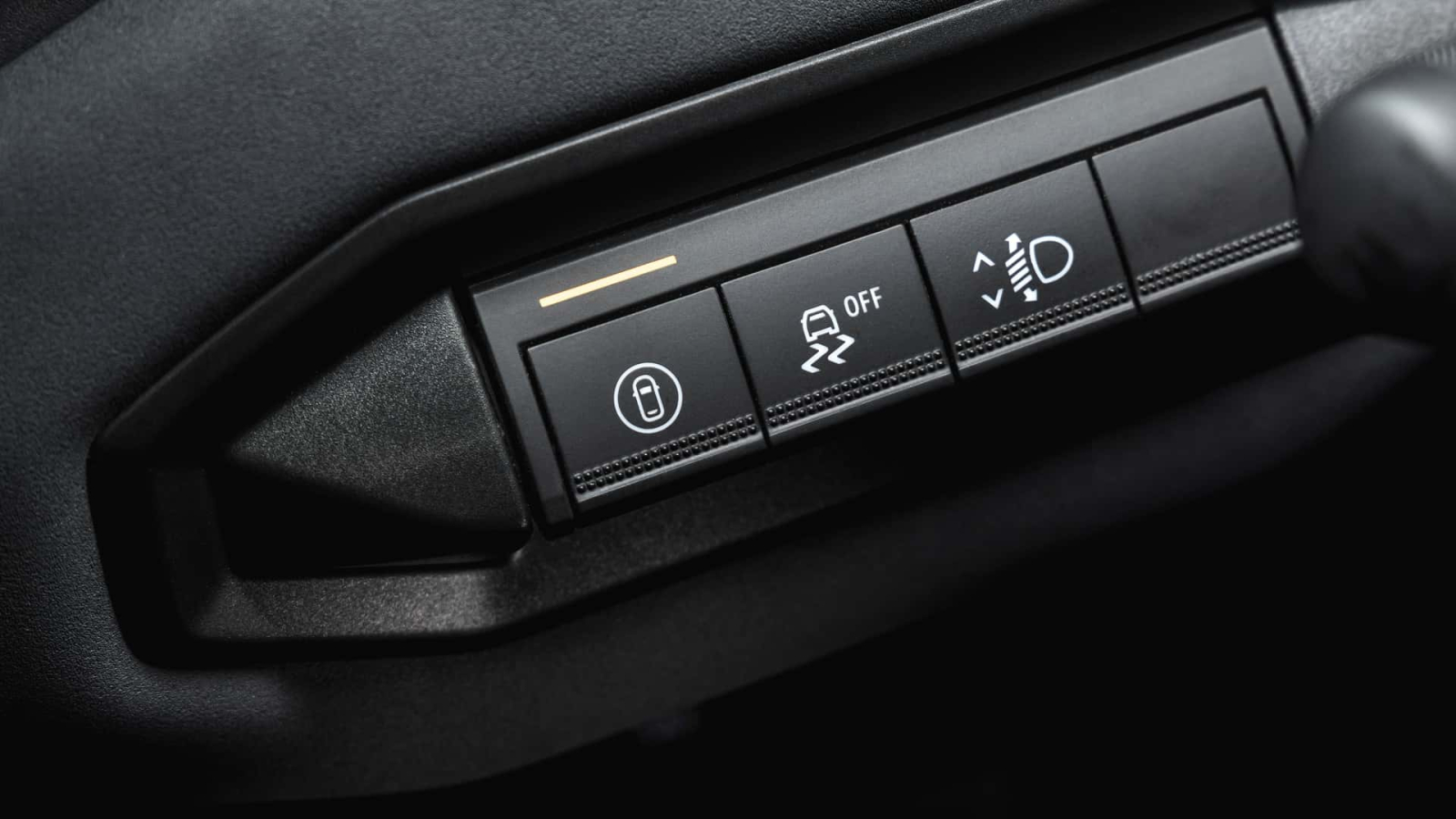
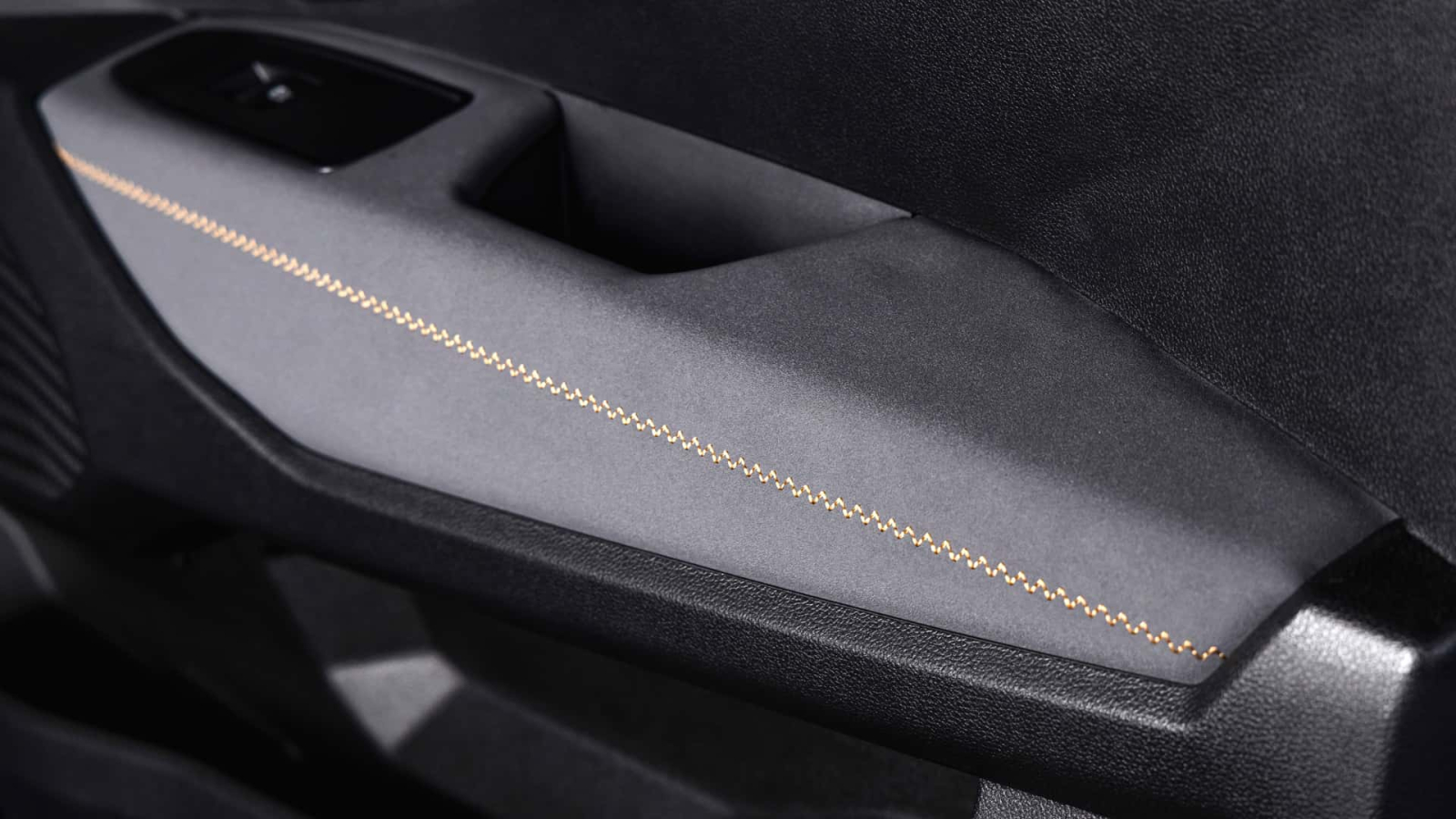
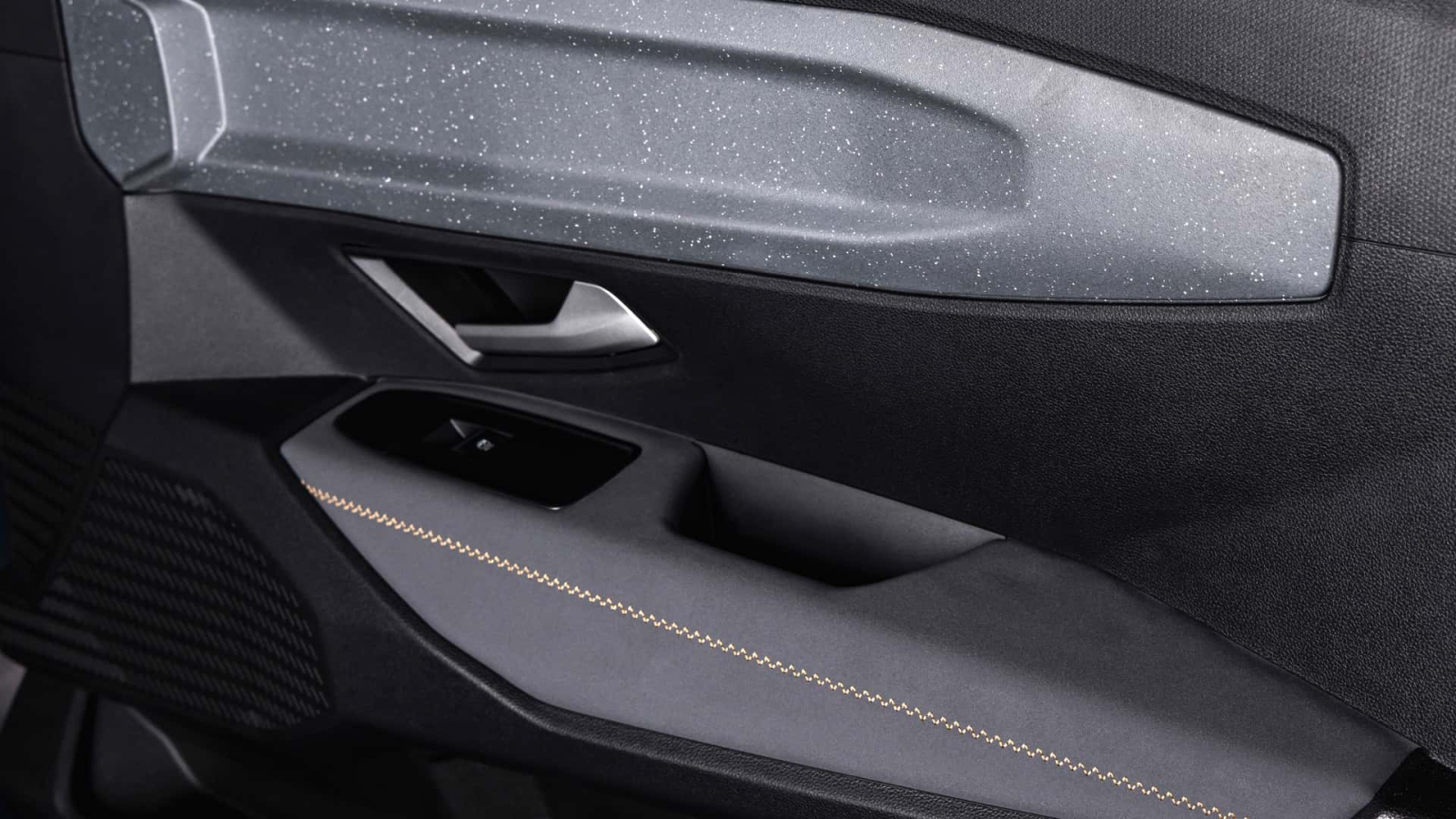
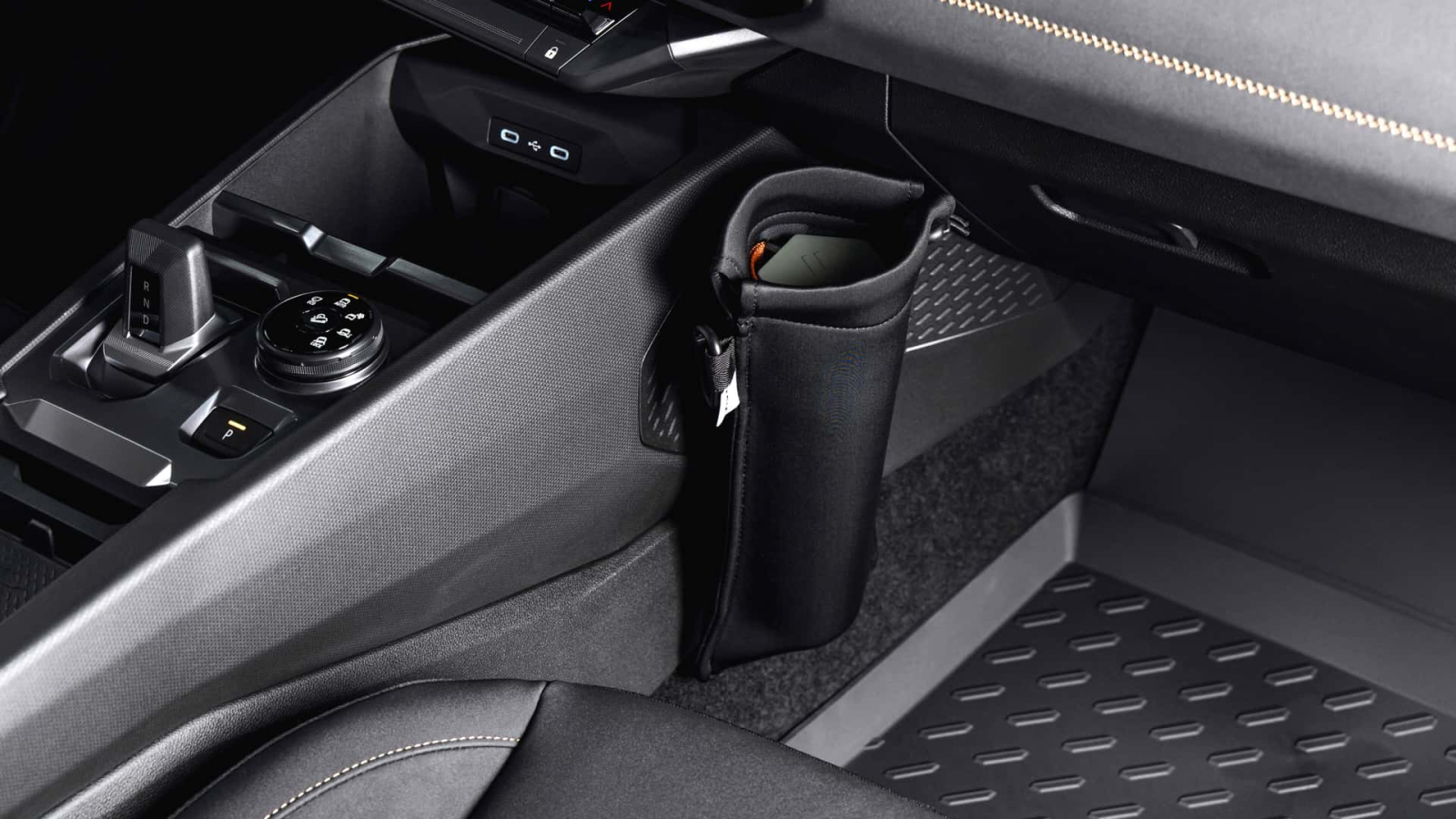
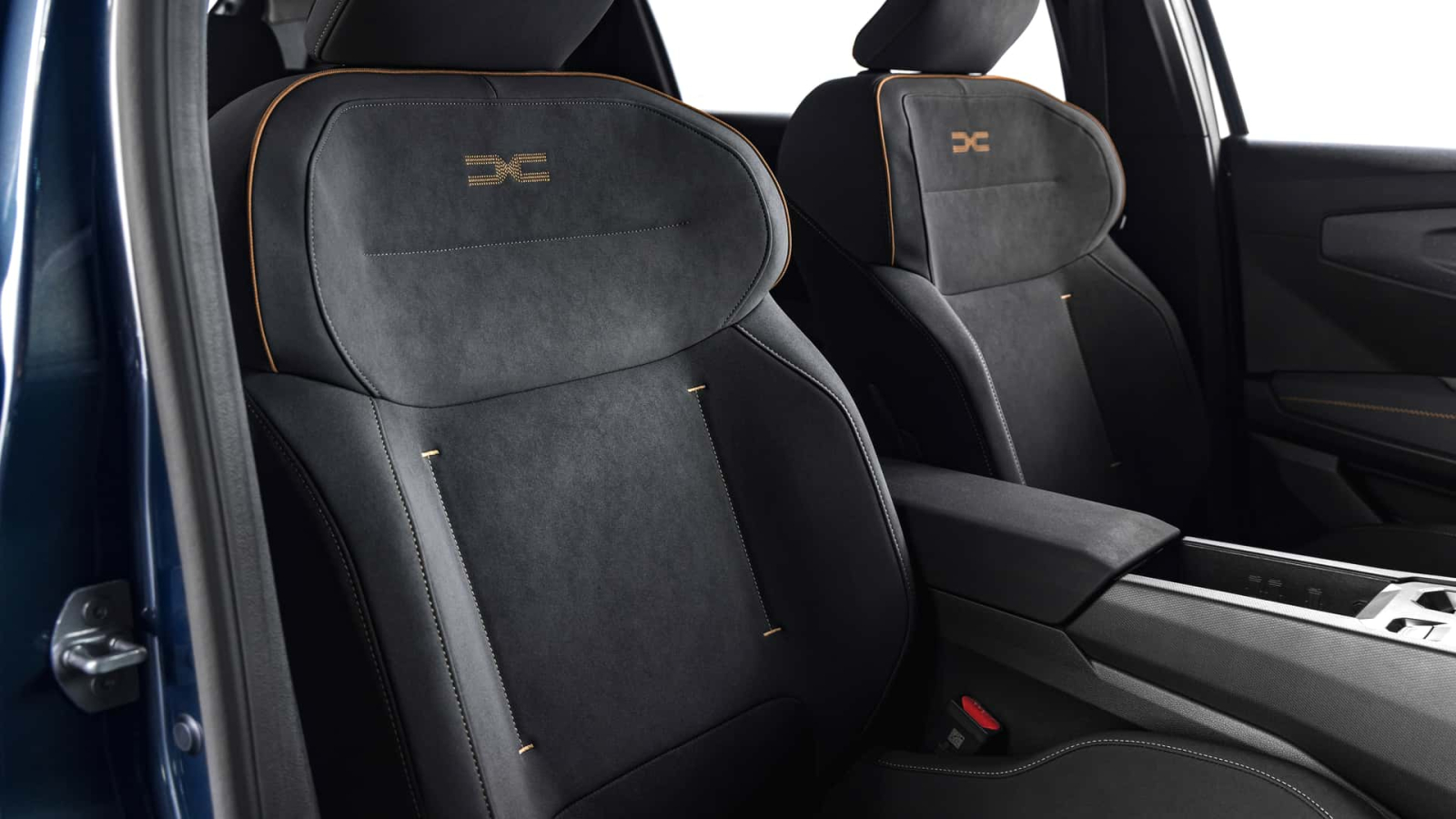
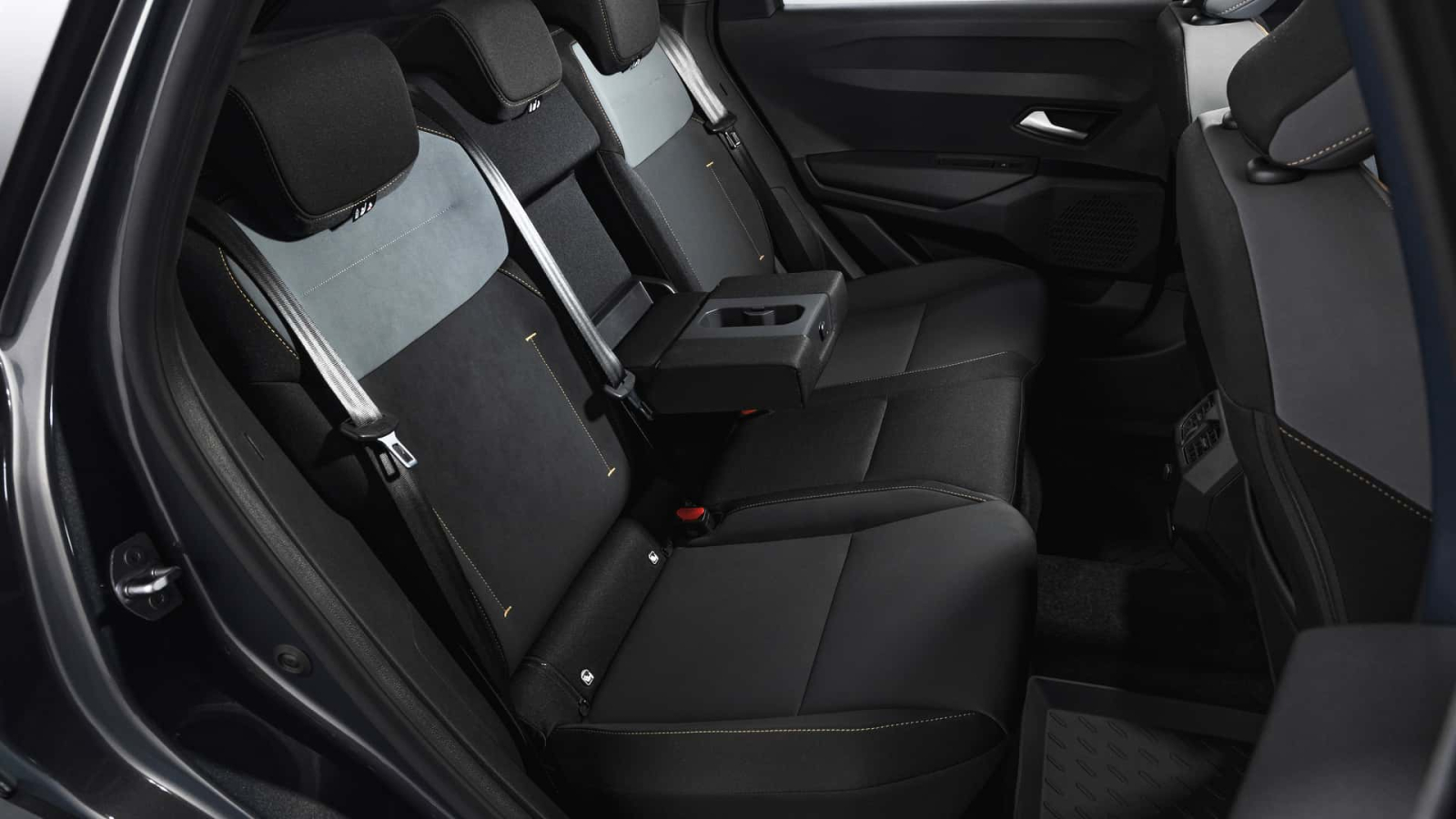
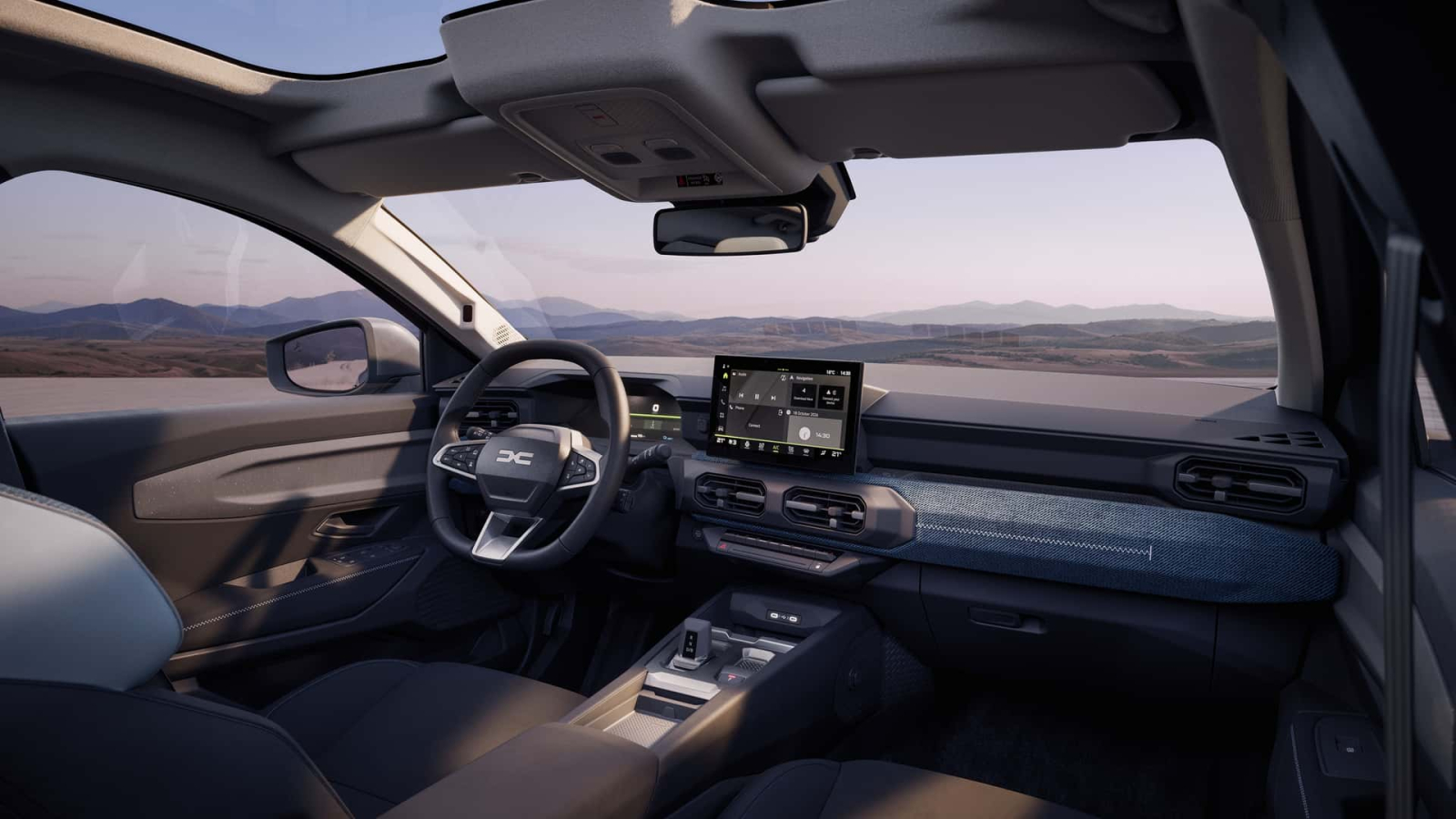
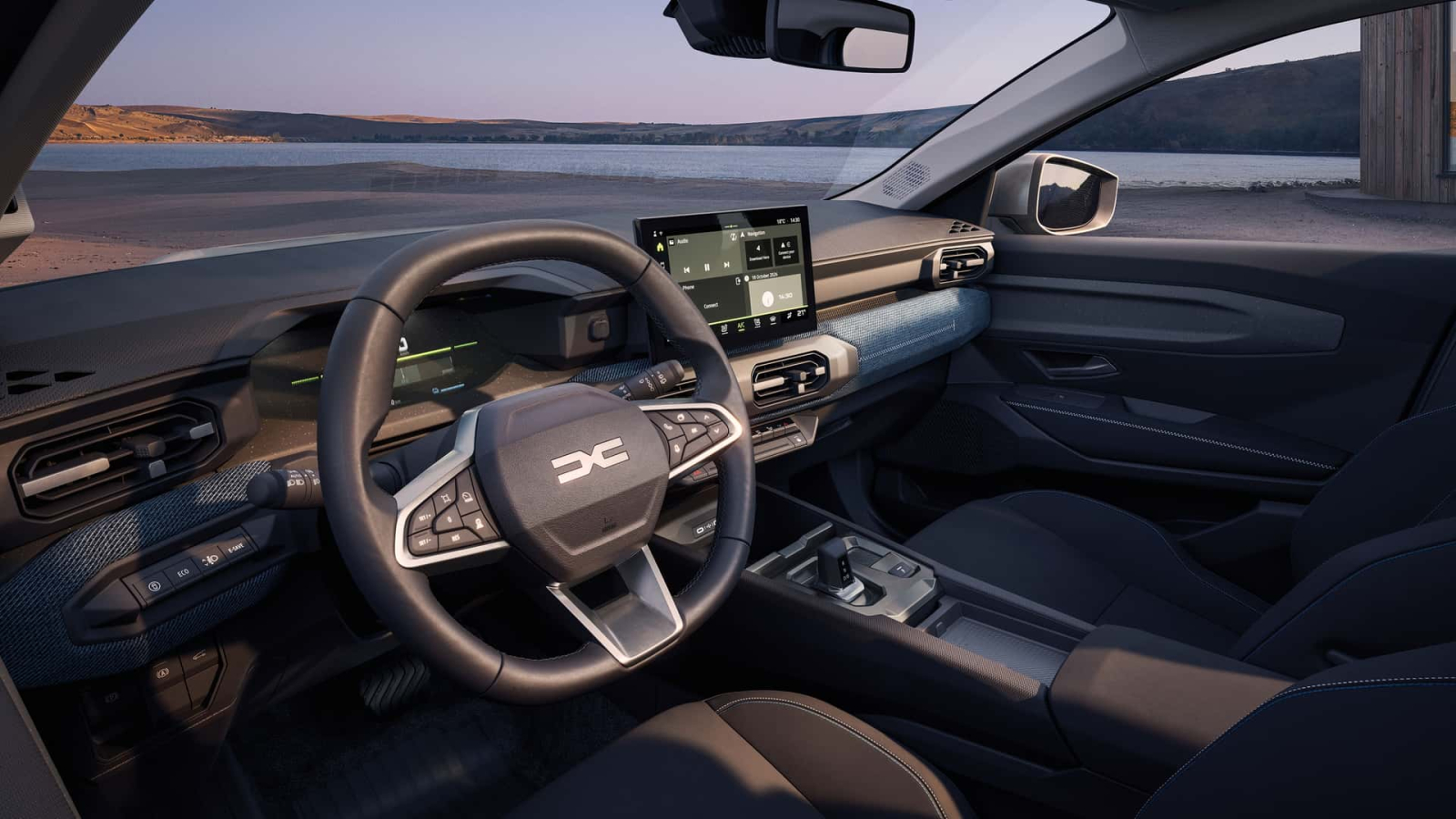
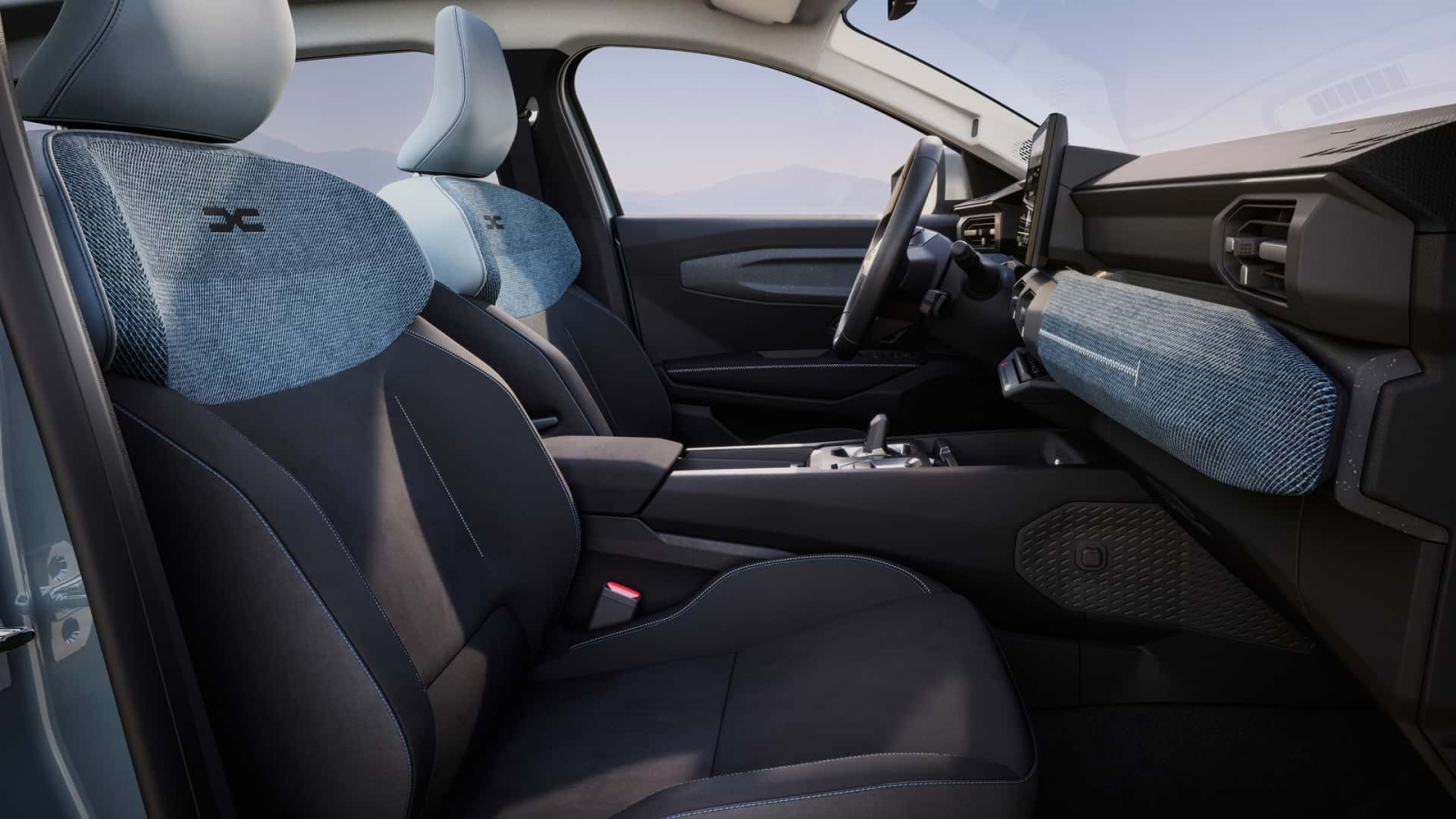
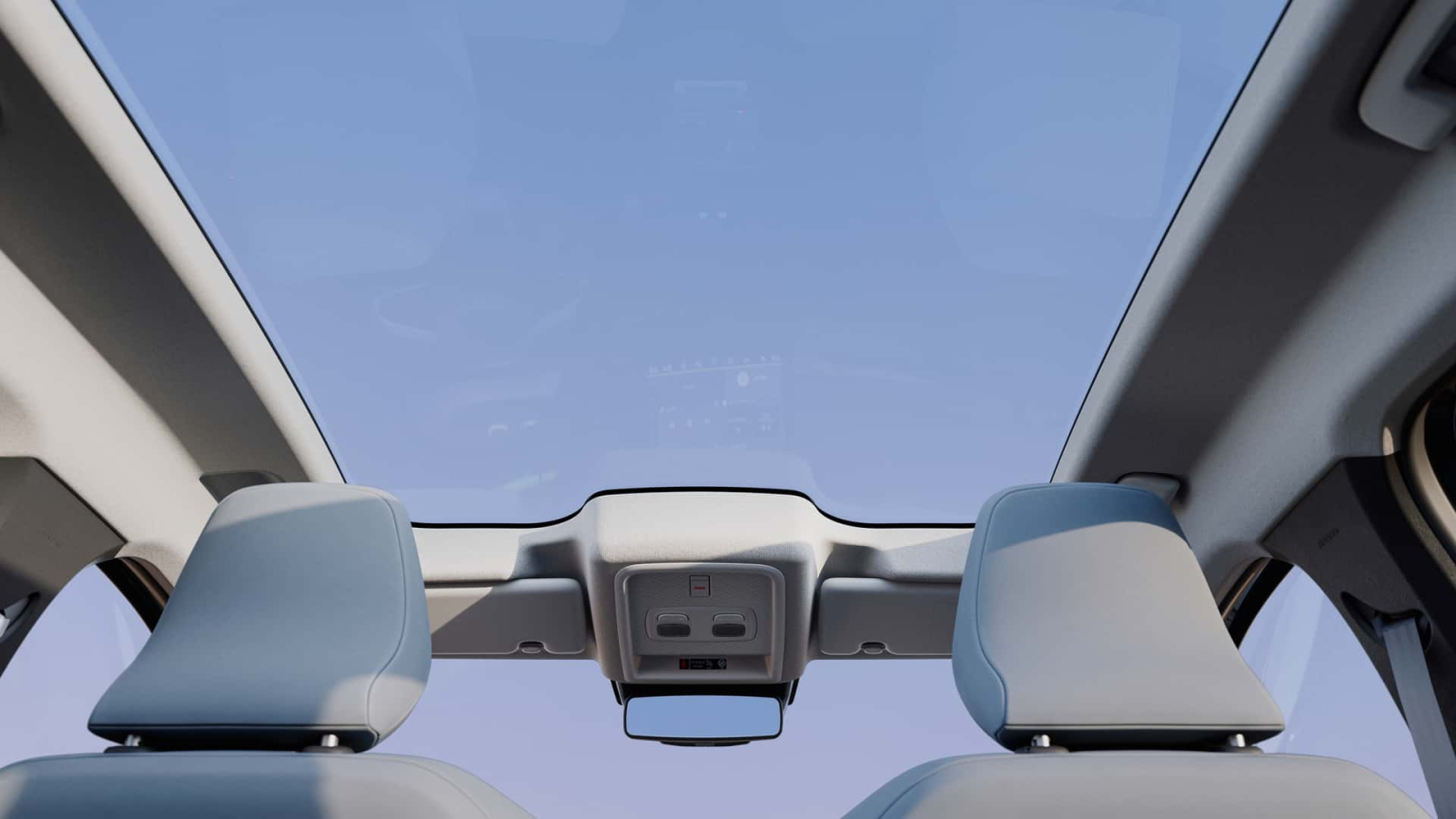
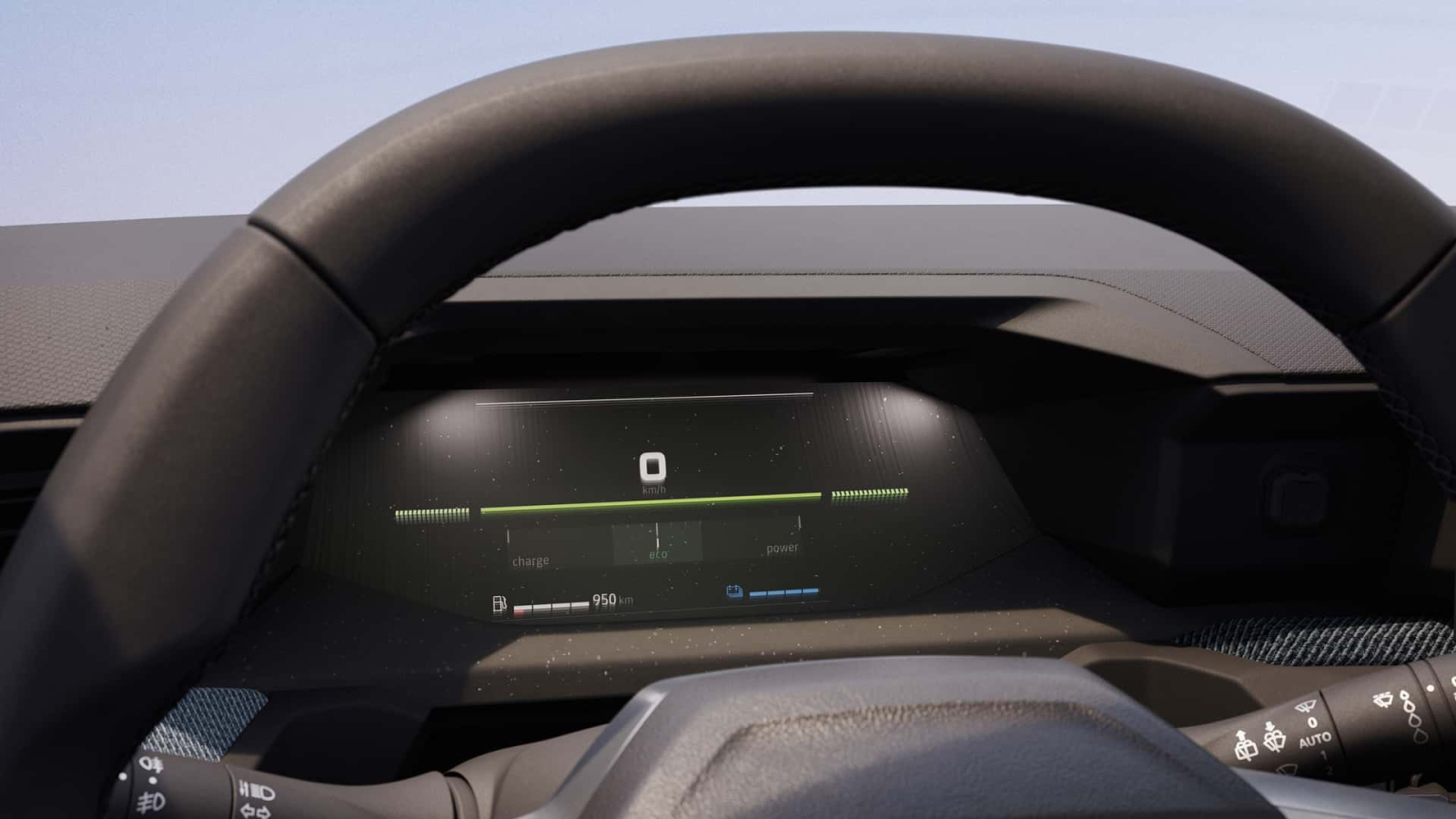
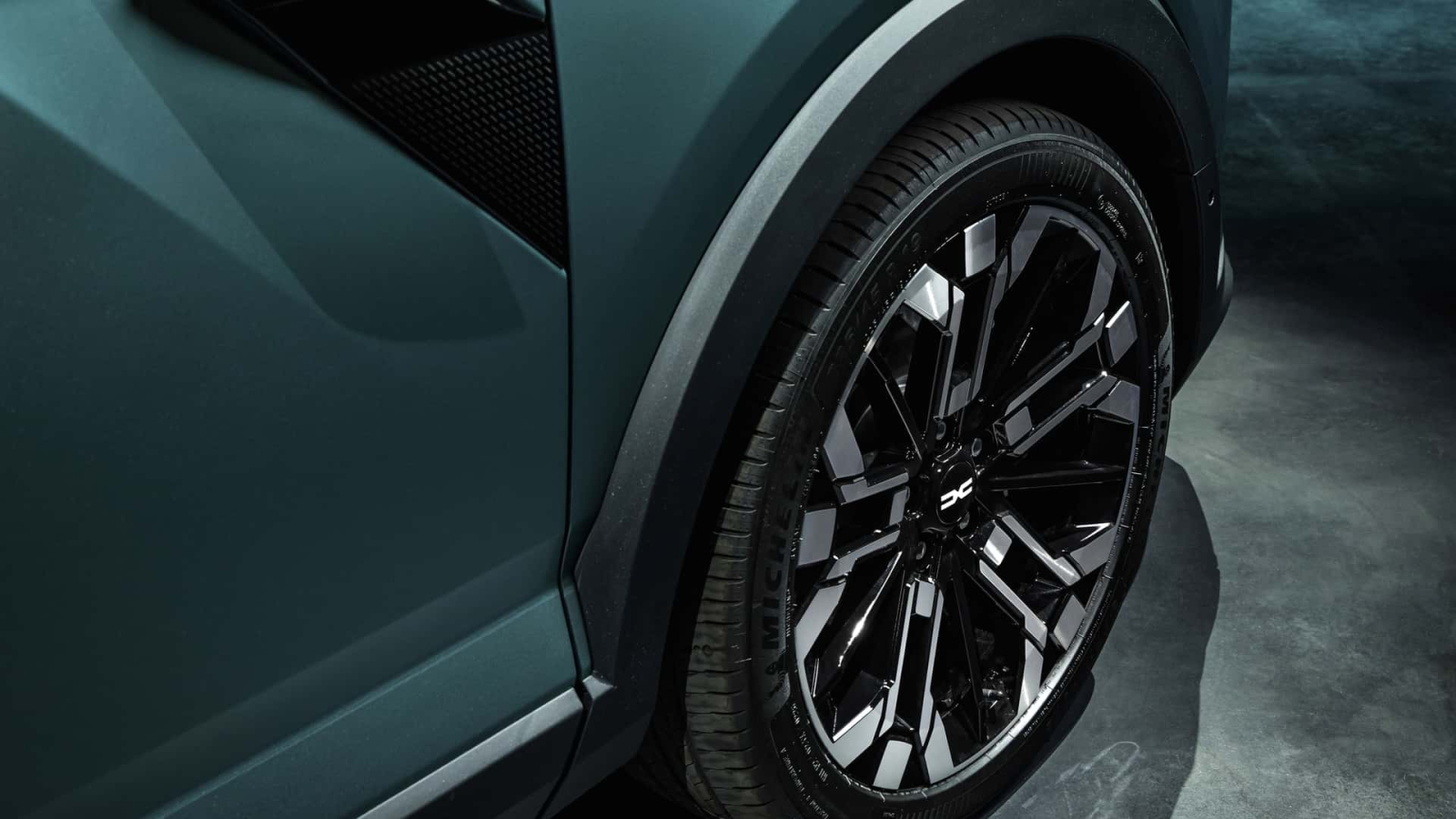
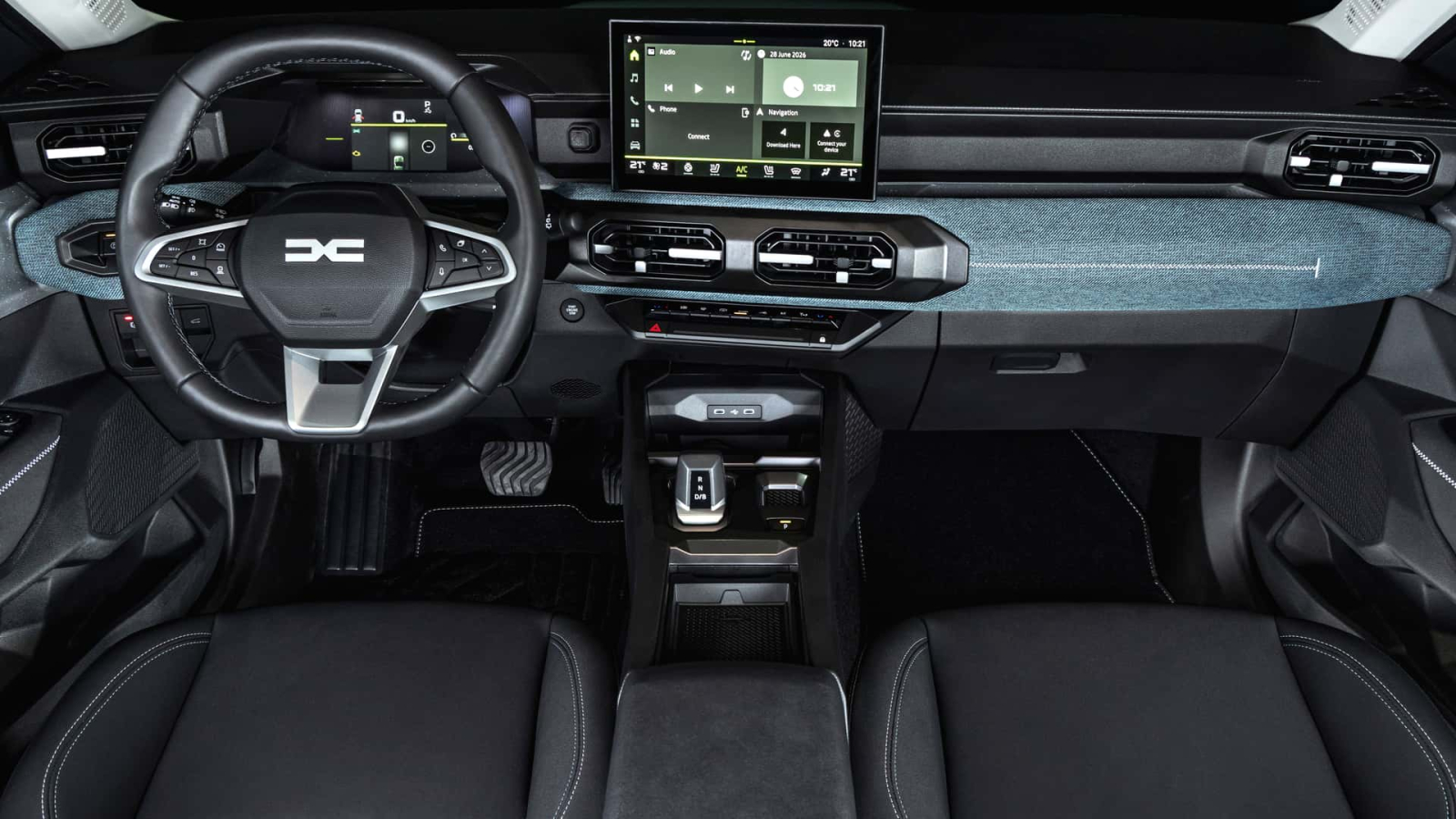
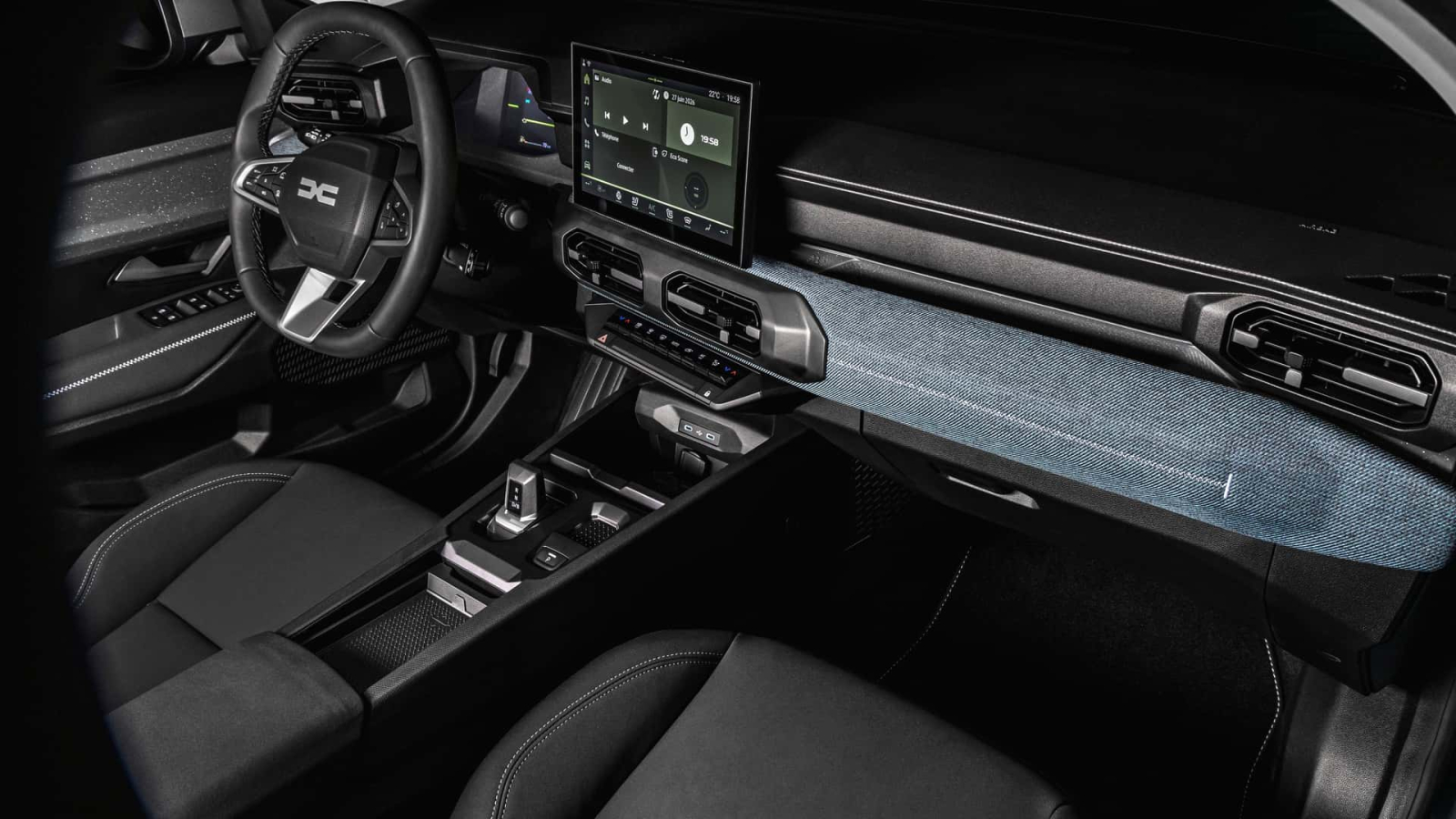
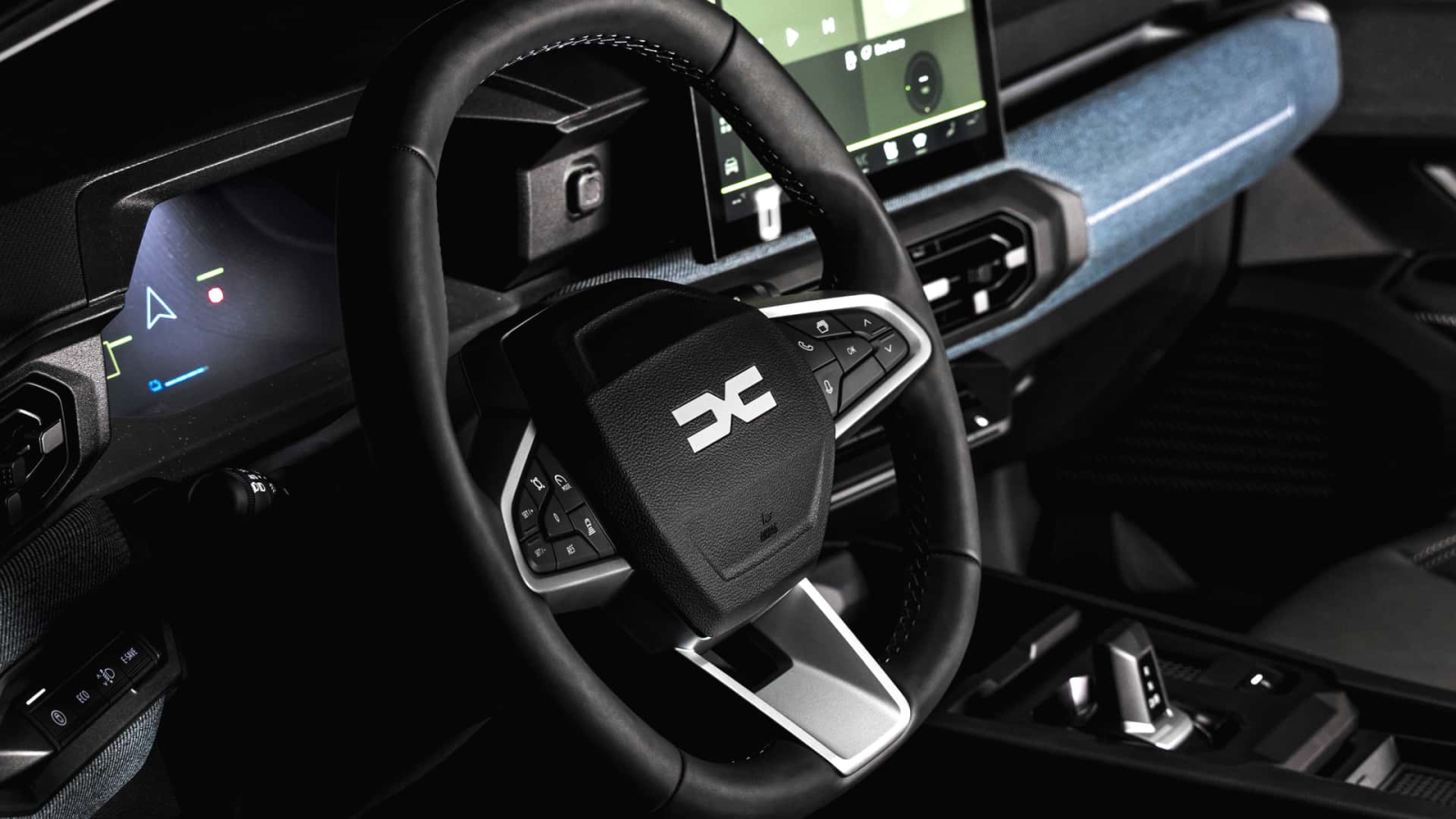
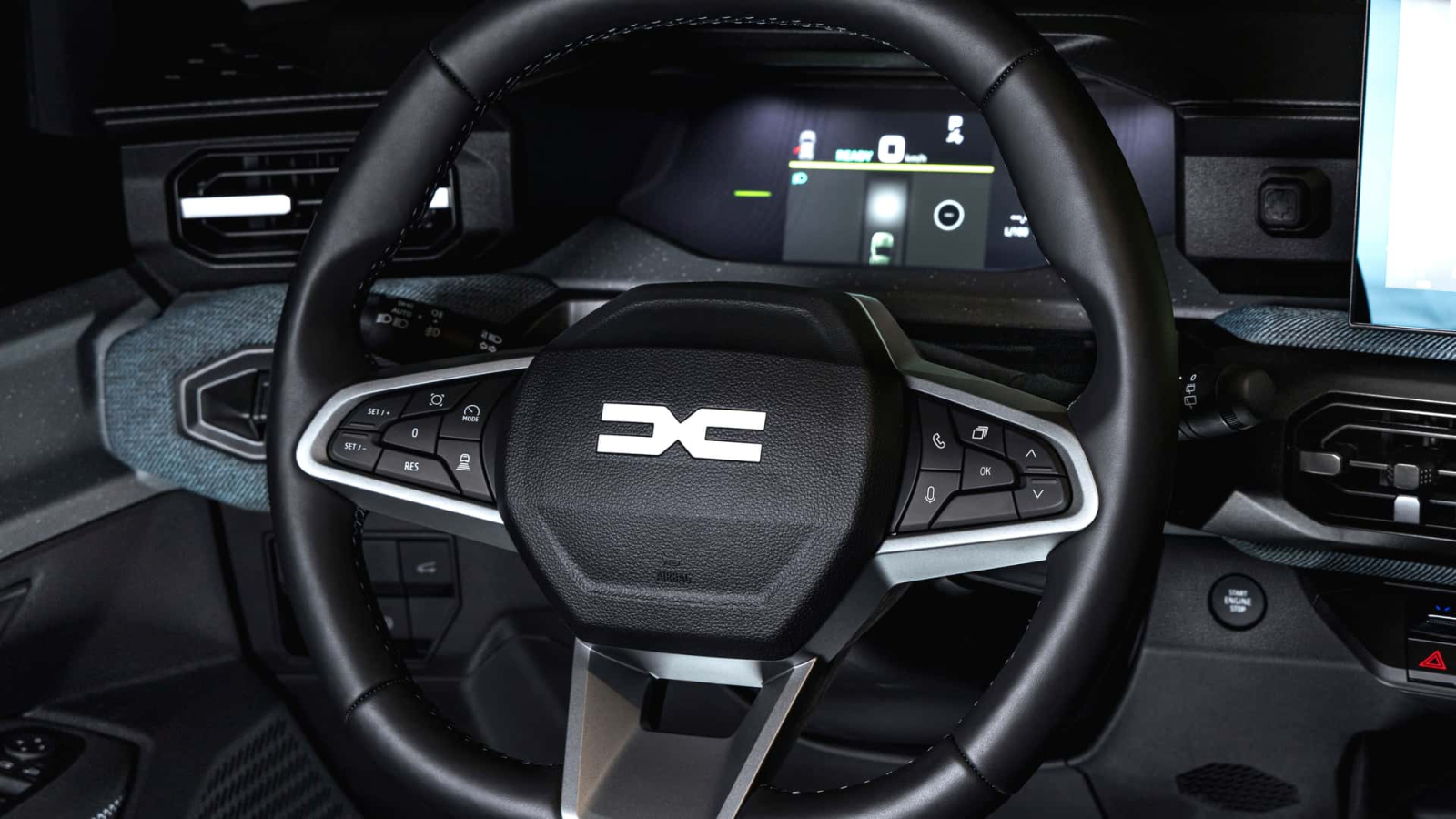
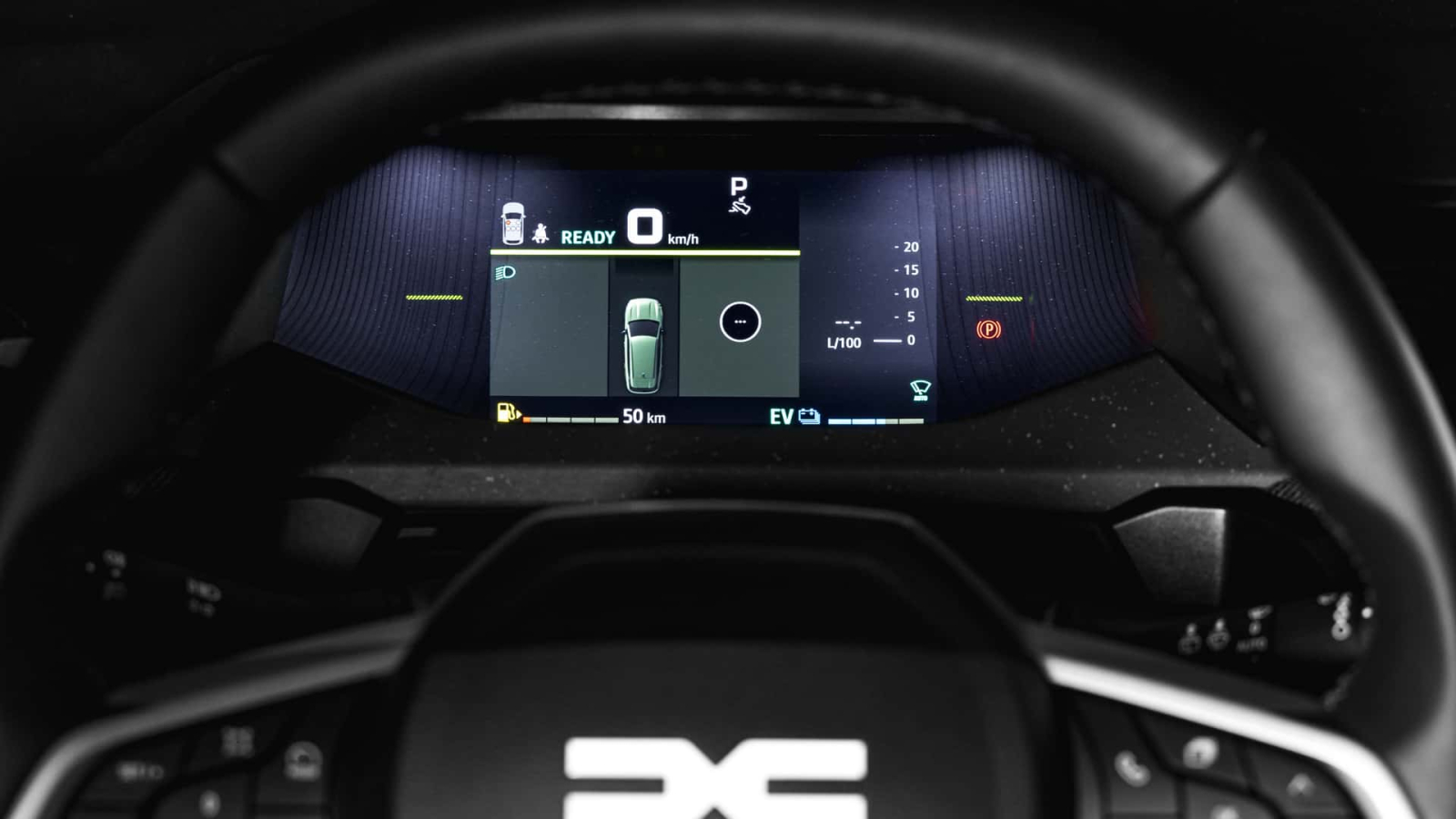
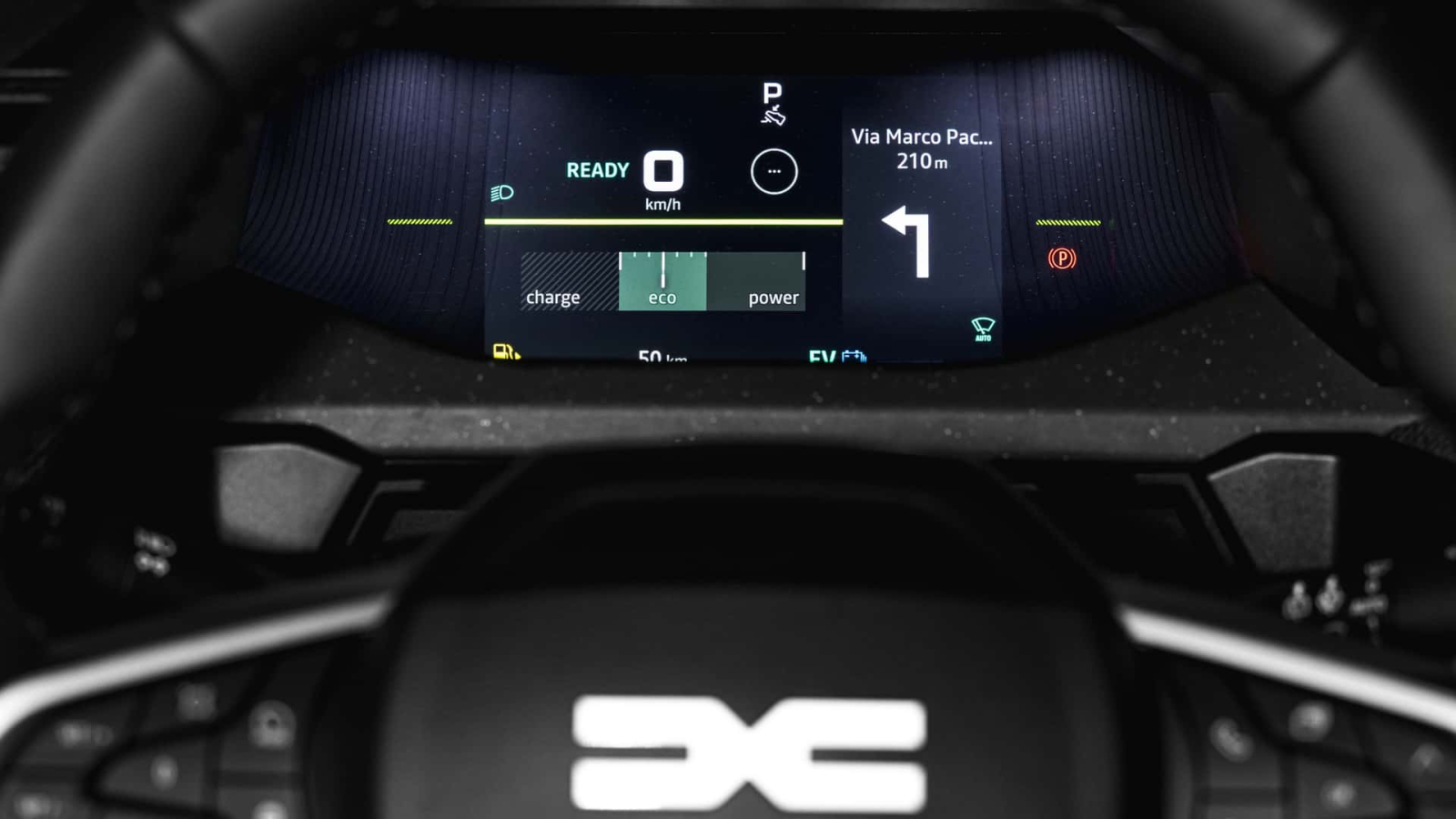
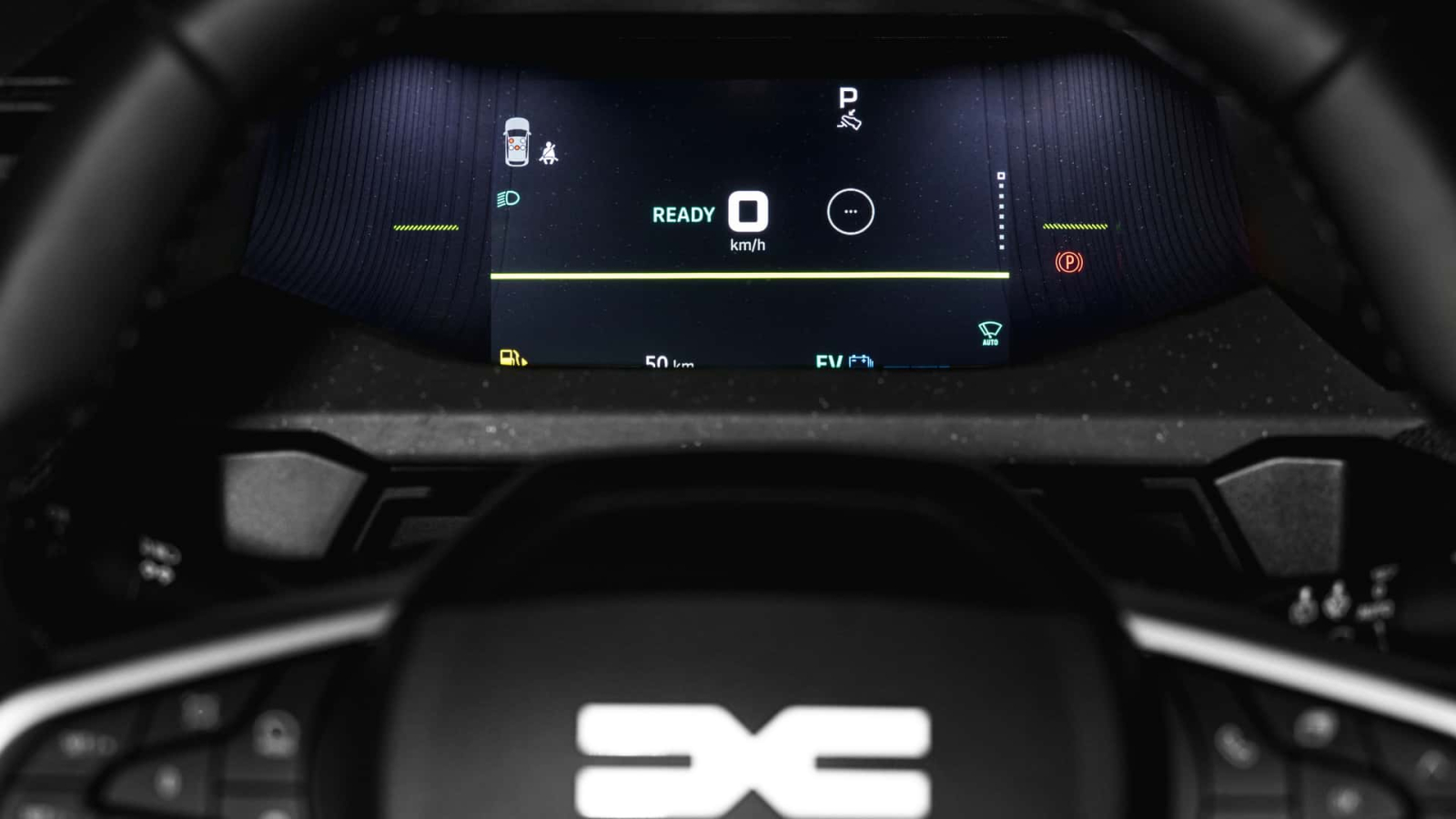
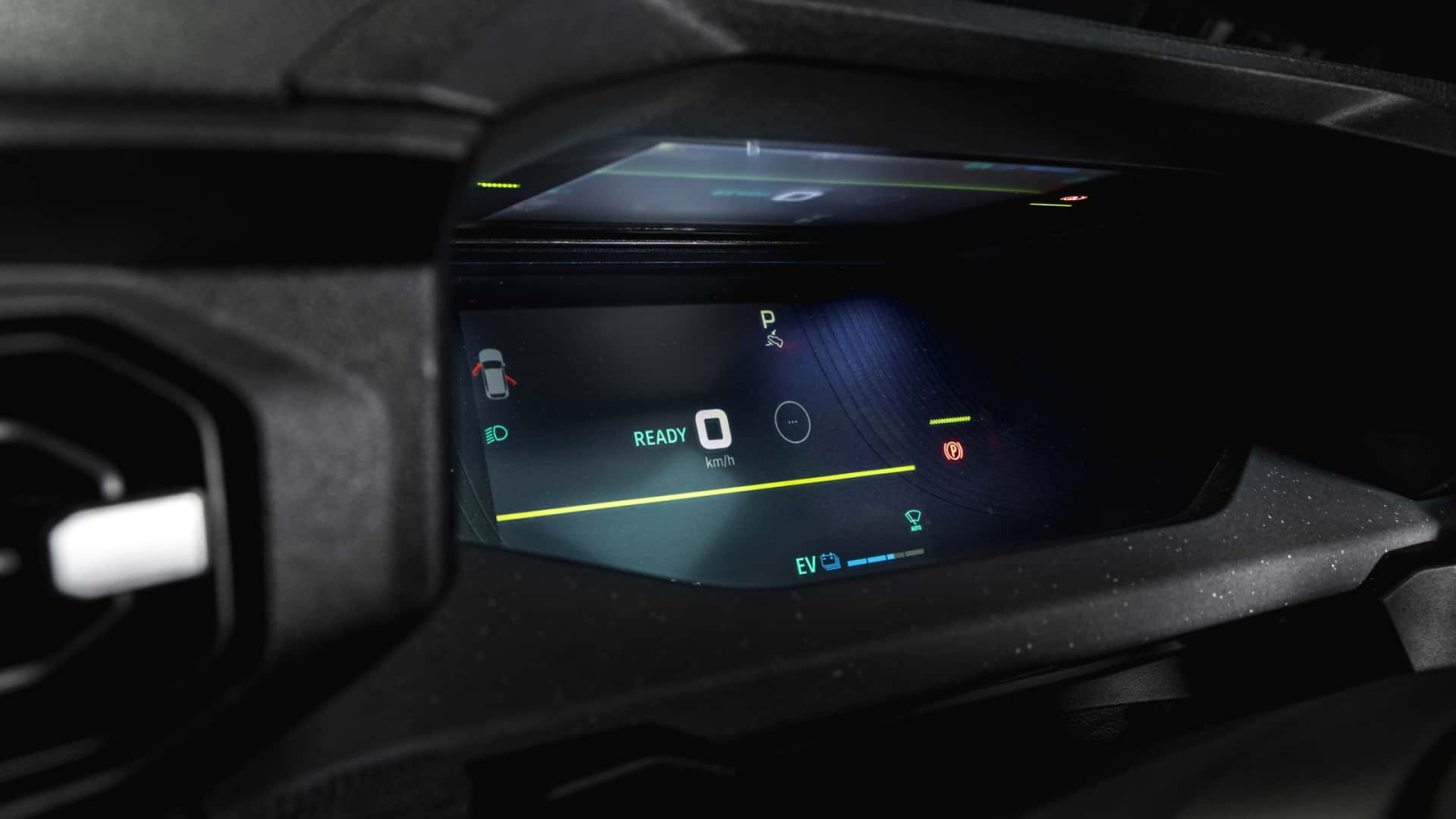
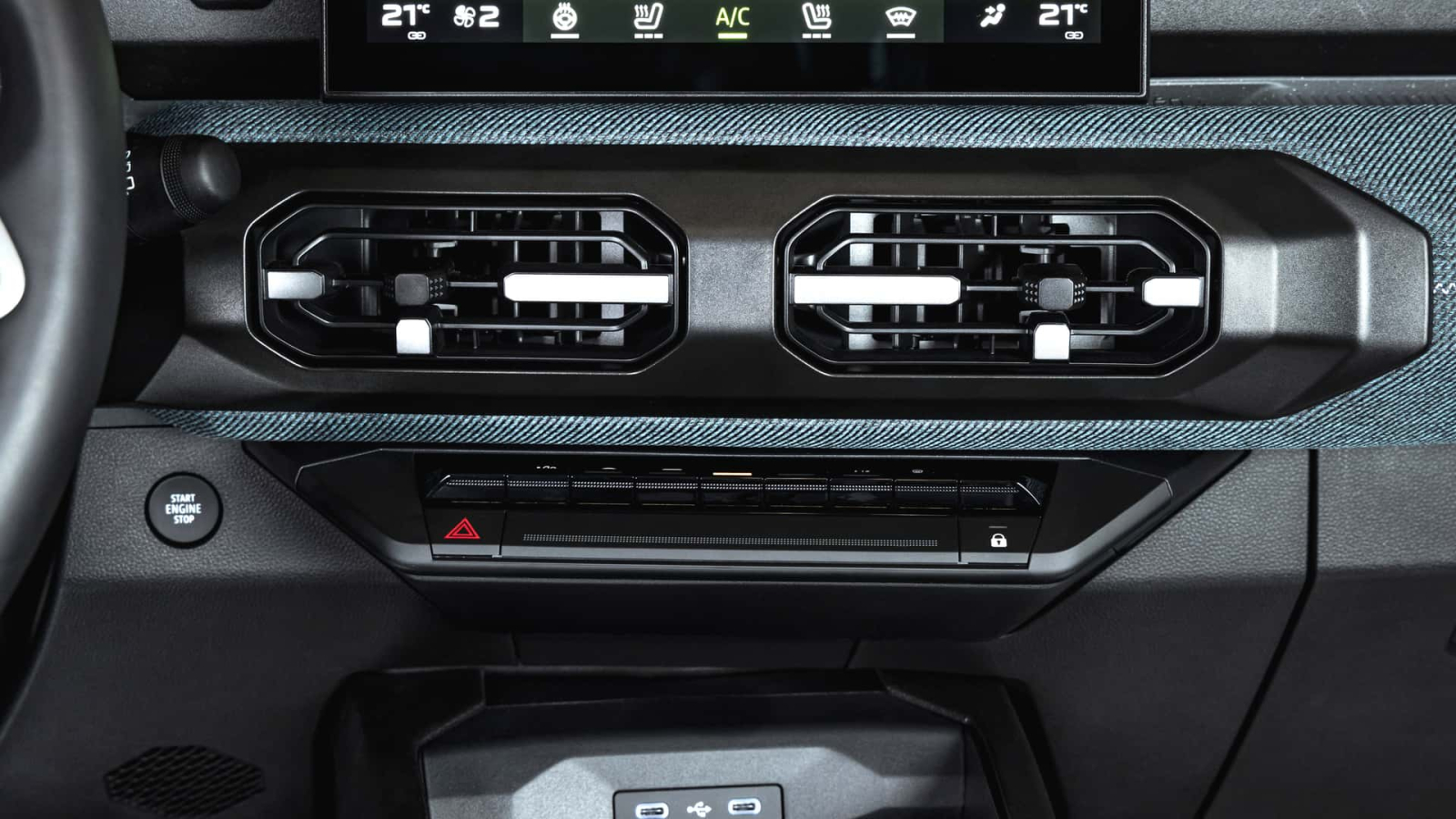
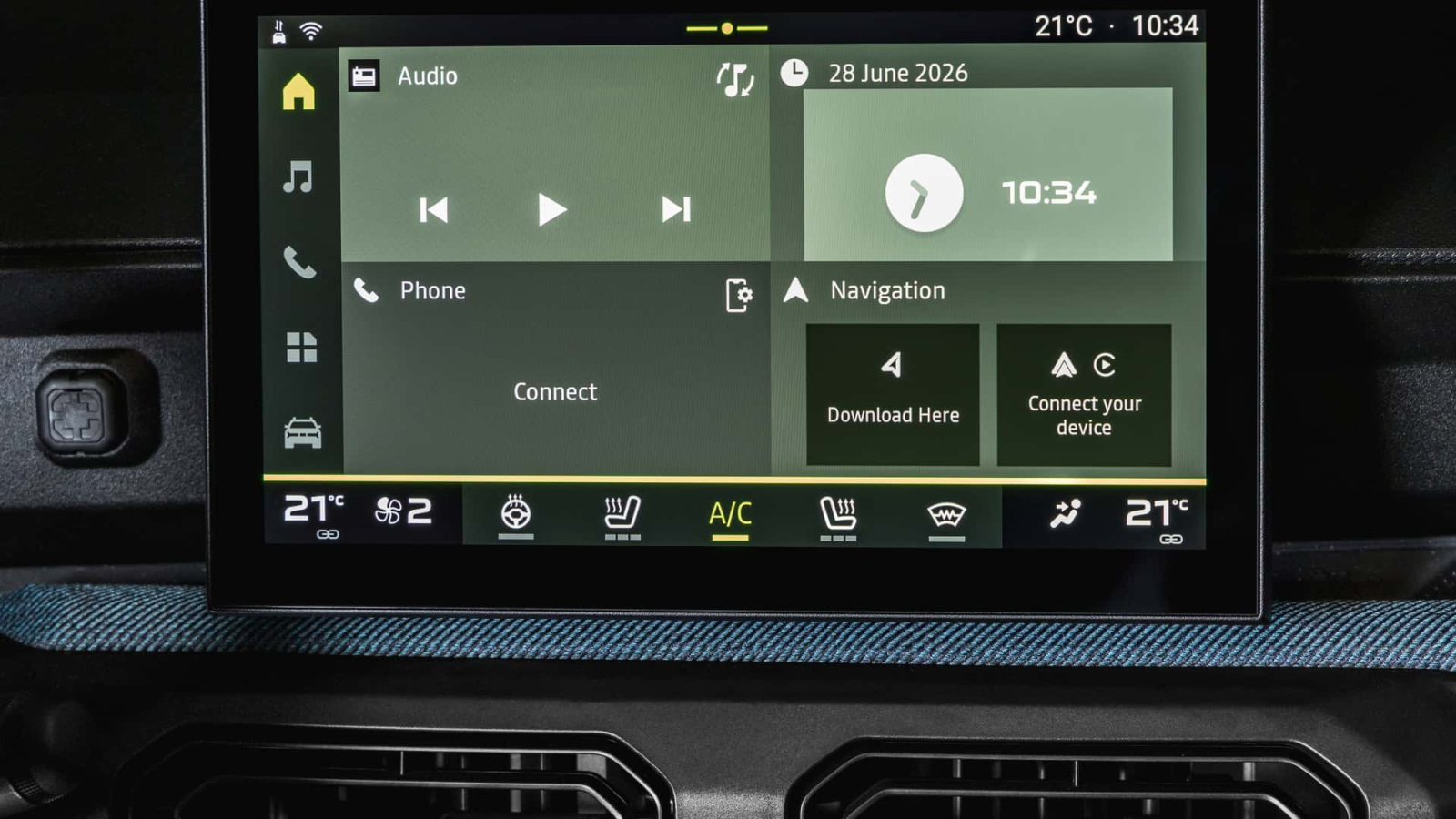
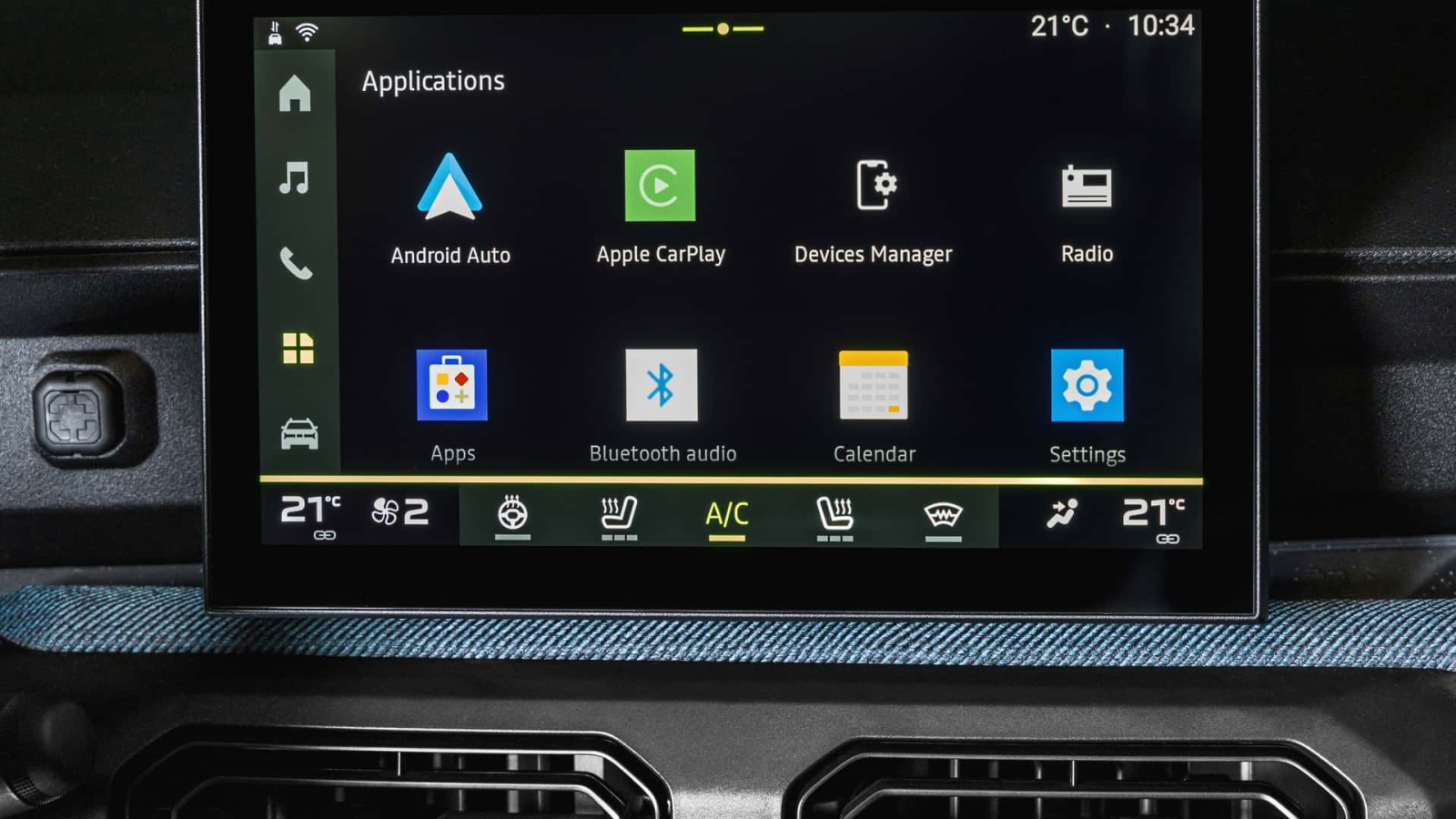
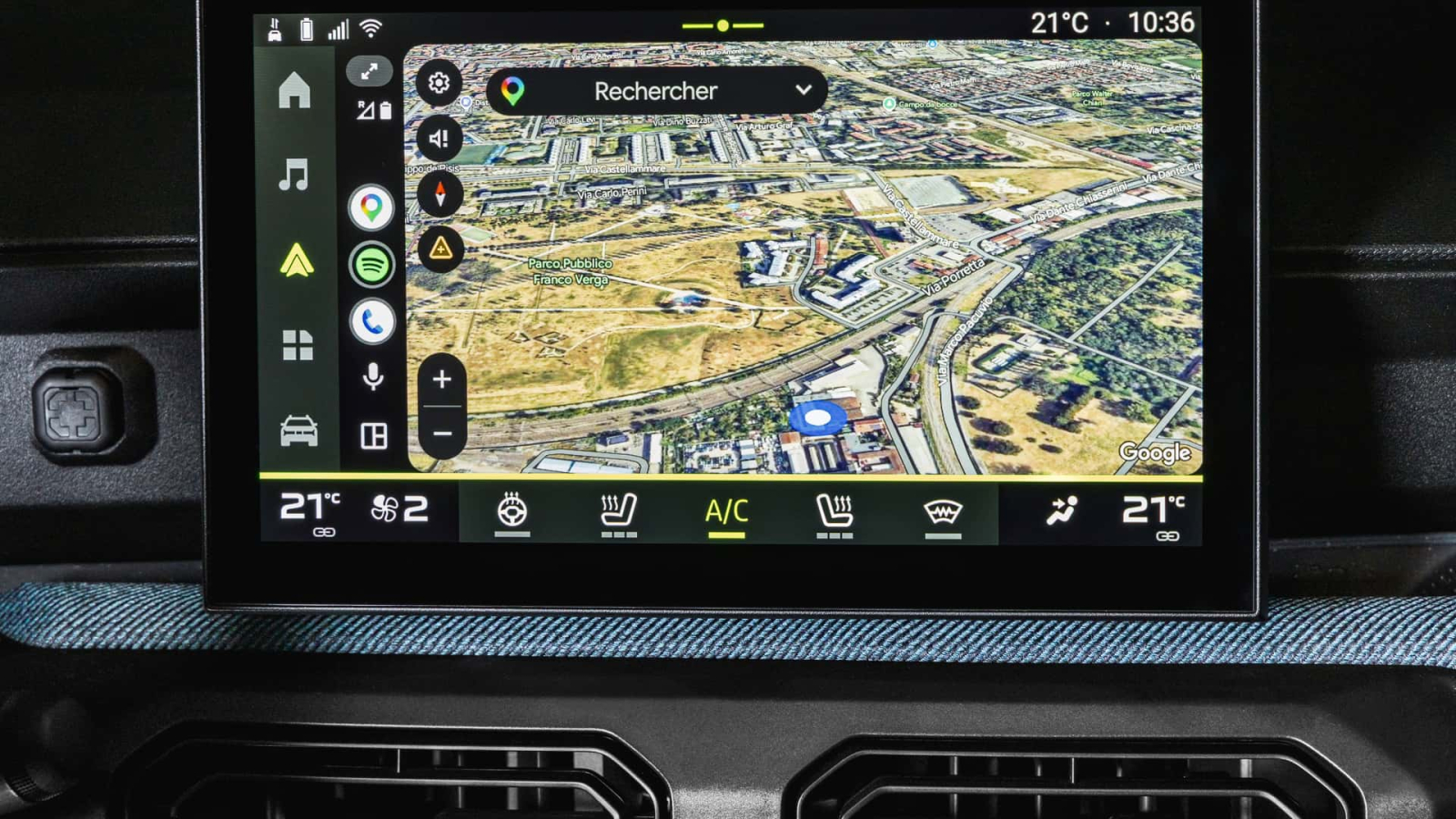
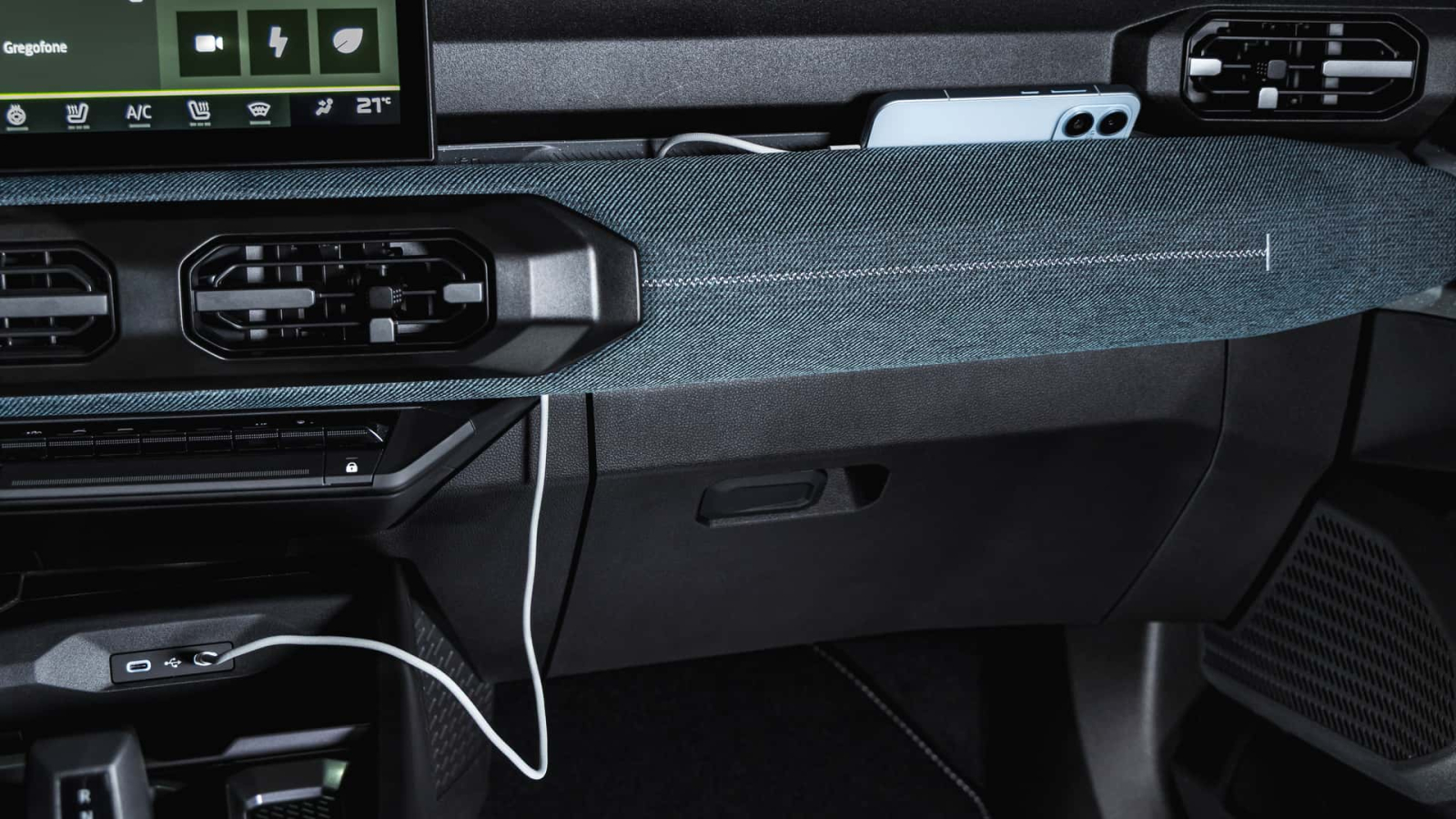
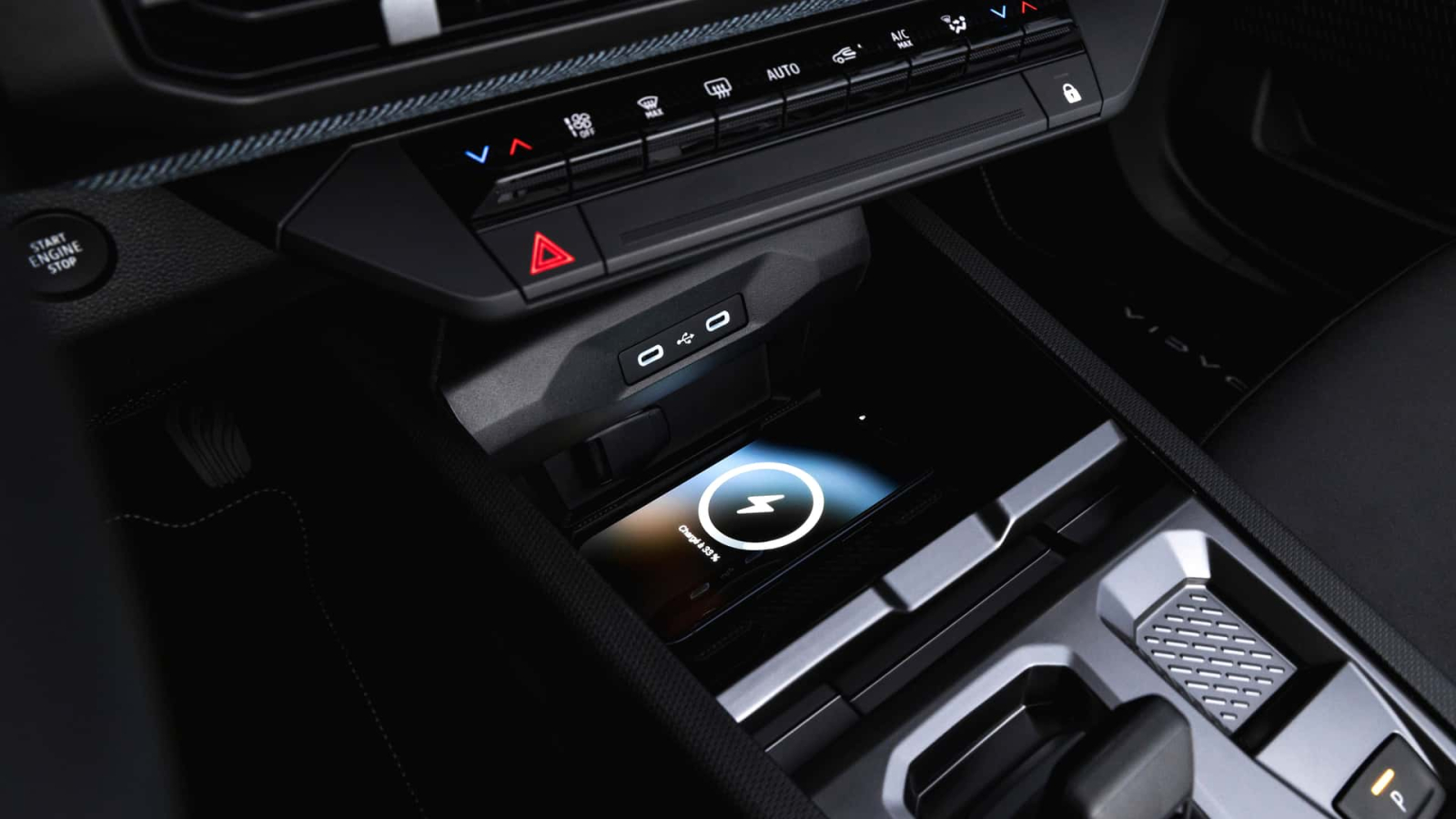
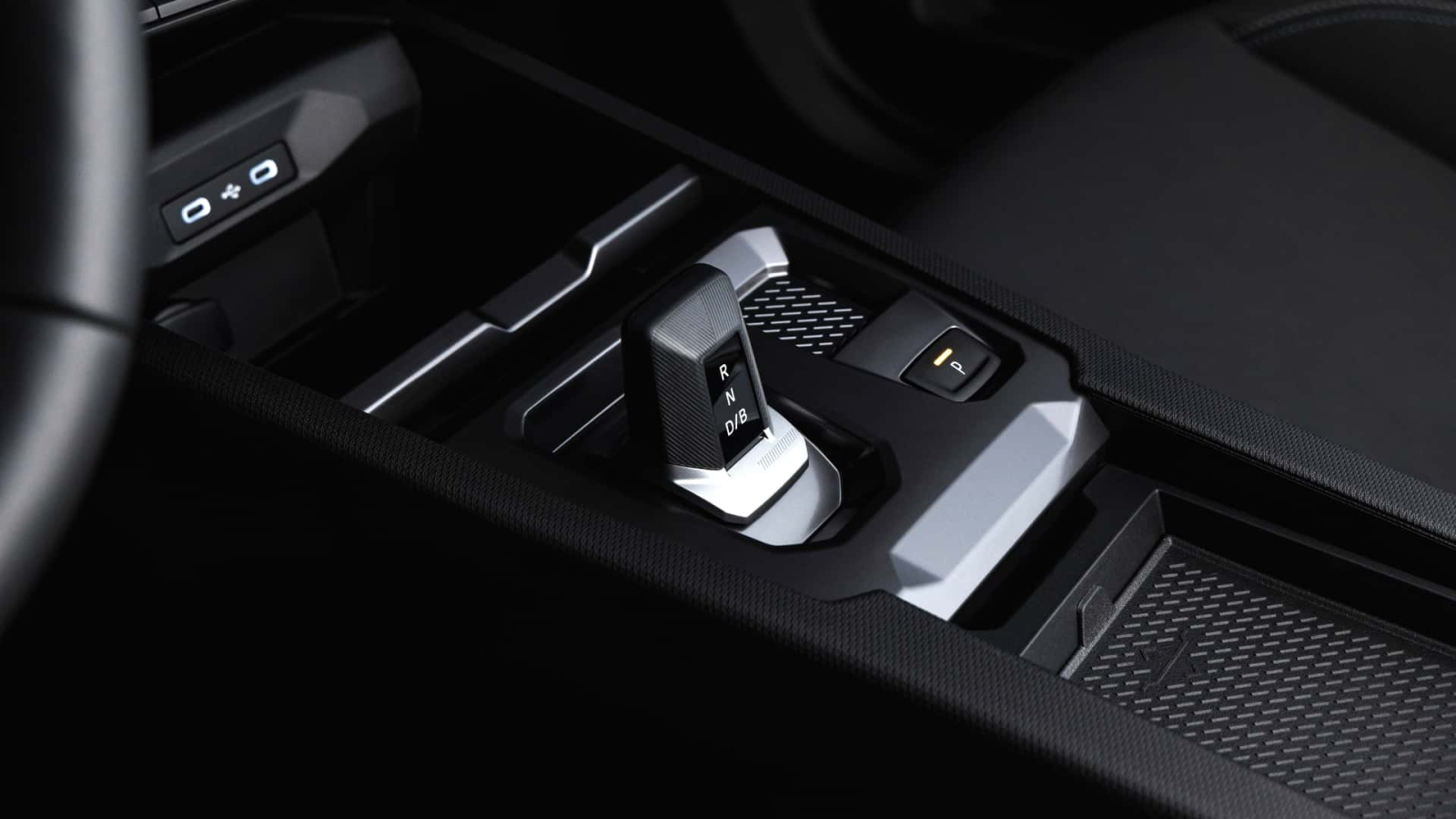
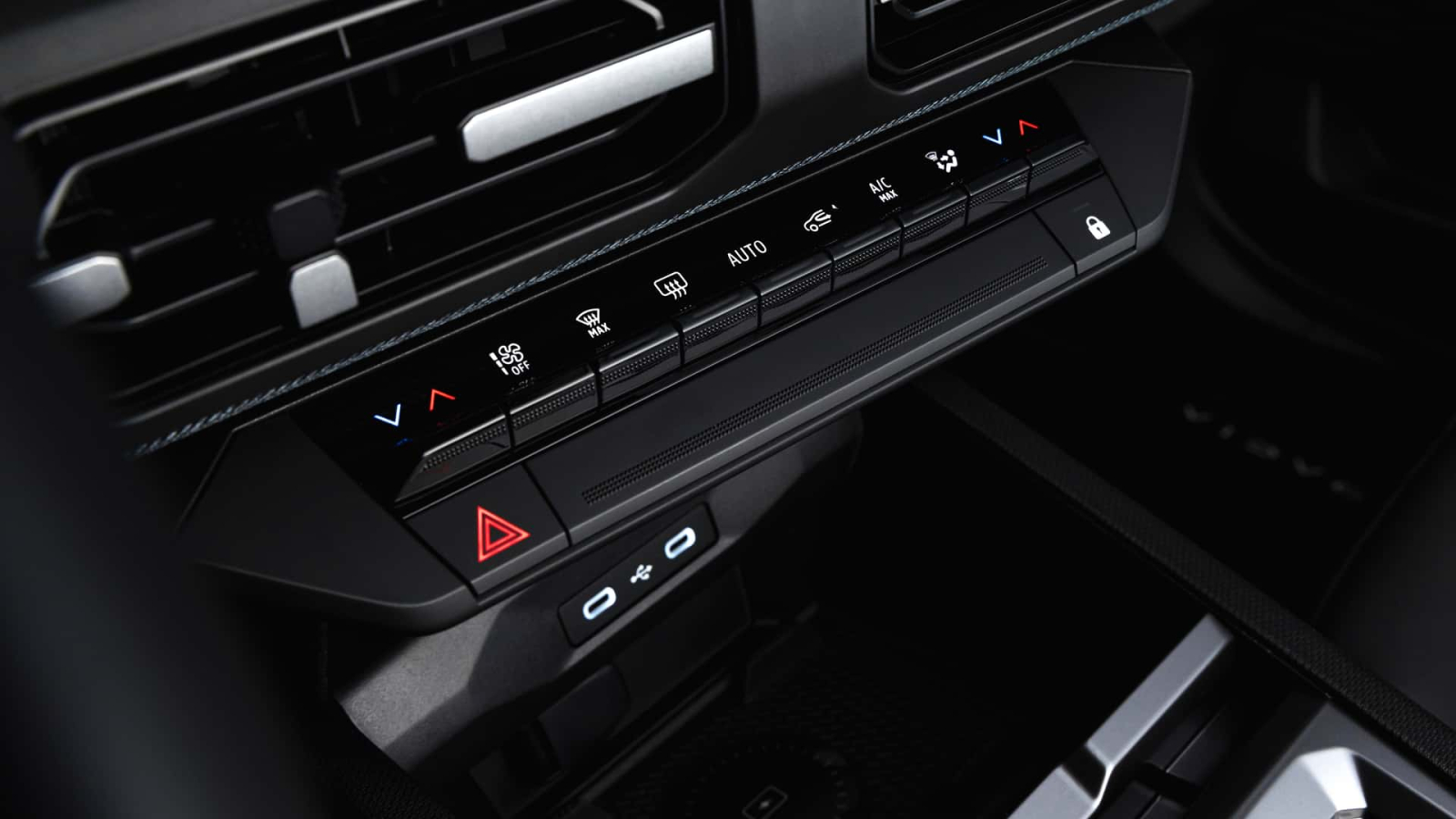
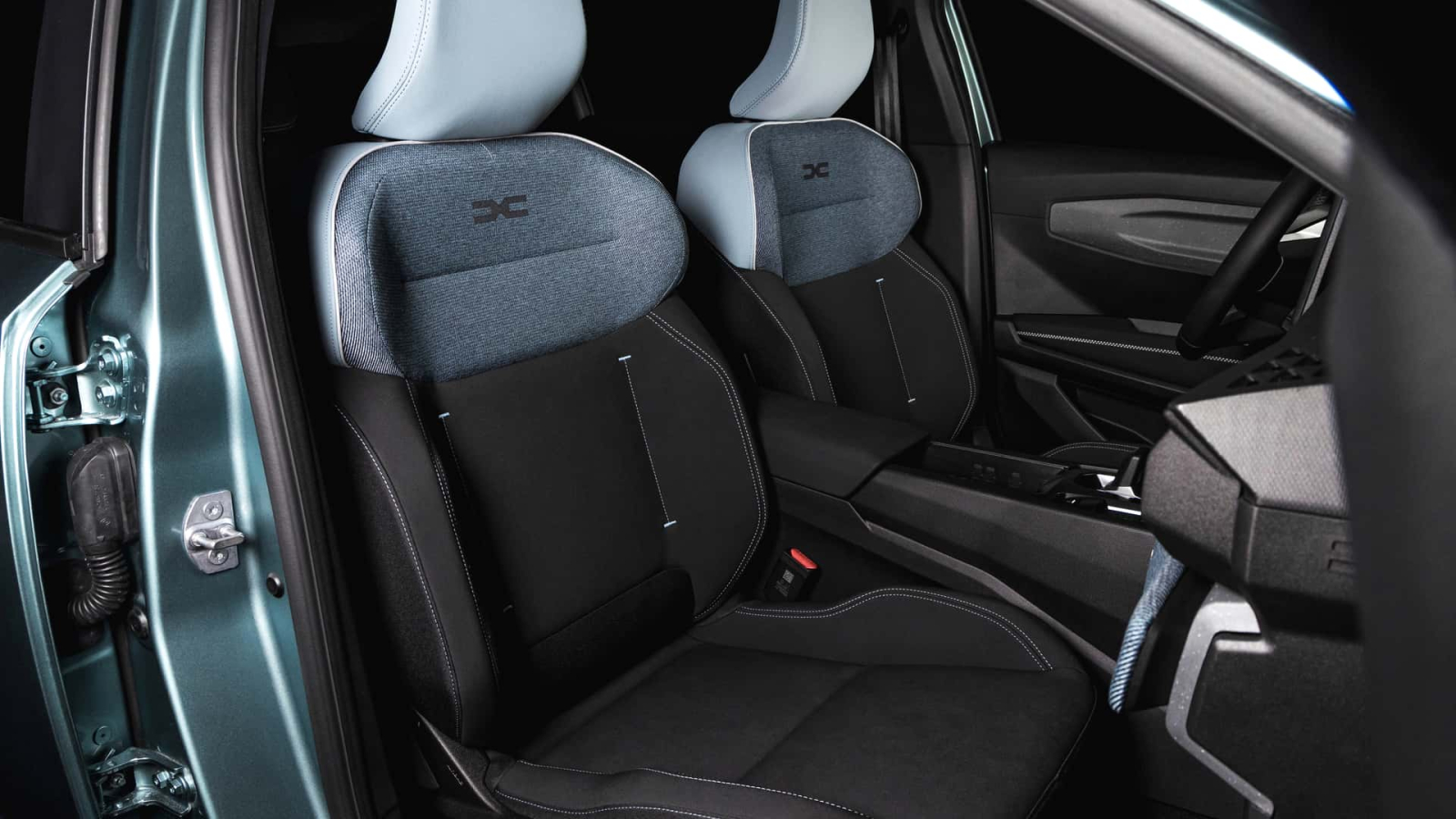
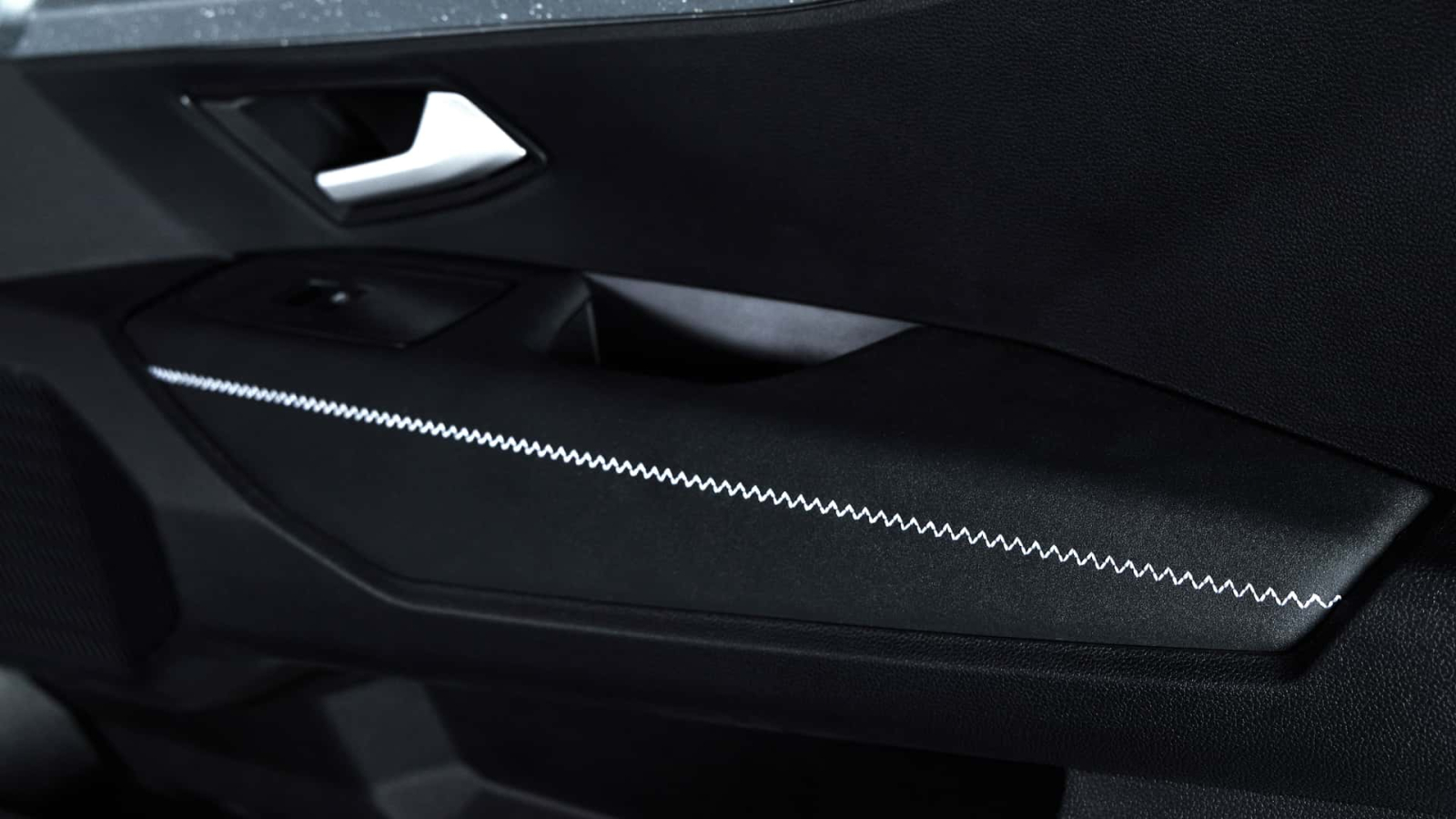
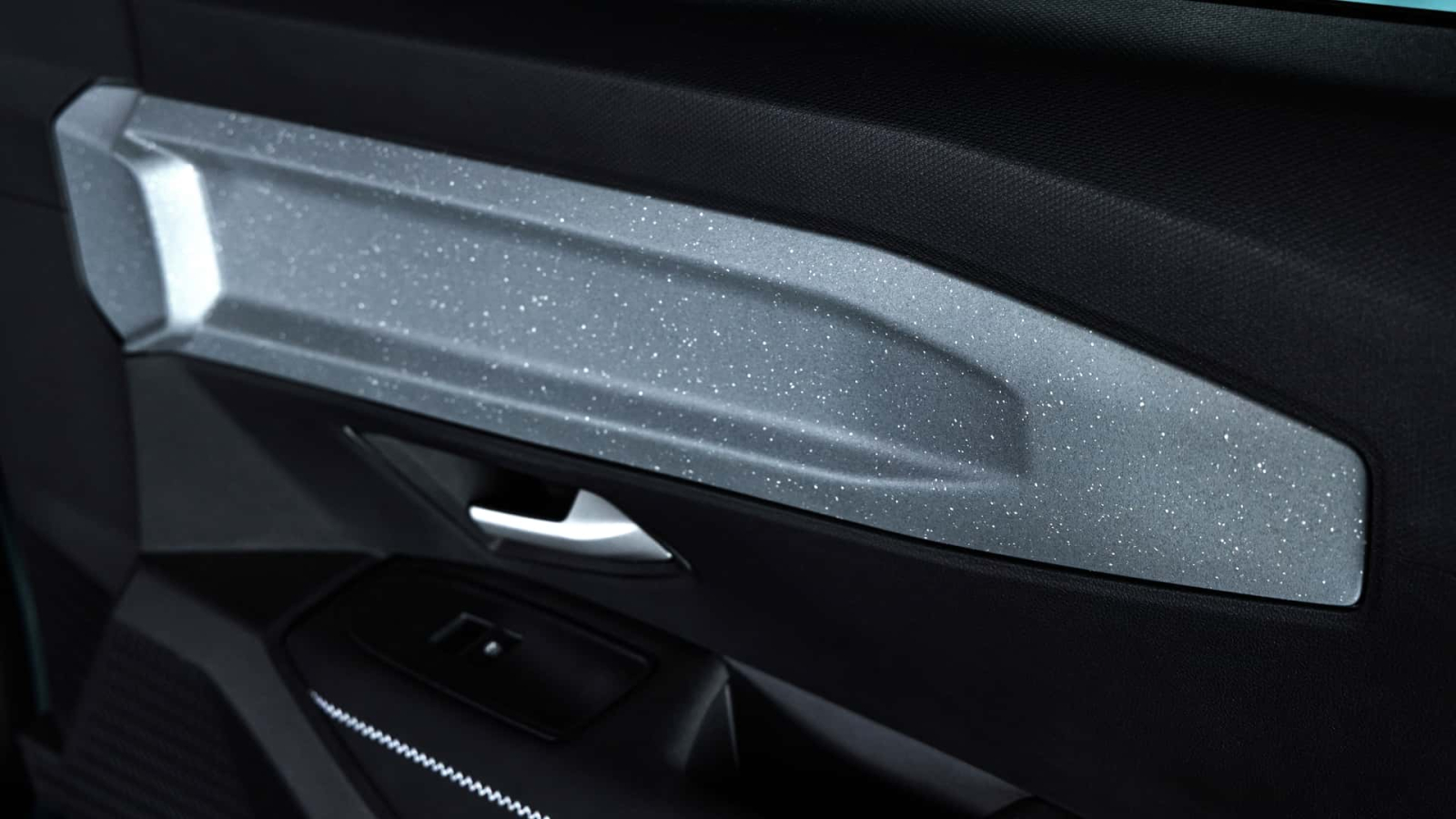
Inside, Dacia has equipped the Striker with a mix of affordability and useful technology. Buyers can get wheels up to 19 inches, along with a panoramic glass roof that stretches toward the back. The cabin includes a 10.1-inch central display, a 7-inch digital driver screen with a 3D visual effect, and several physical controls below the main screen for easier operation.
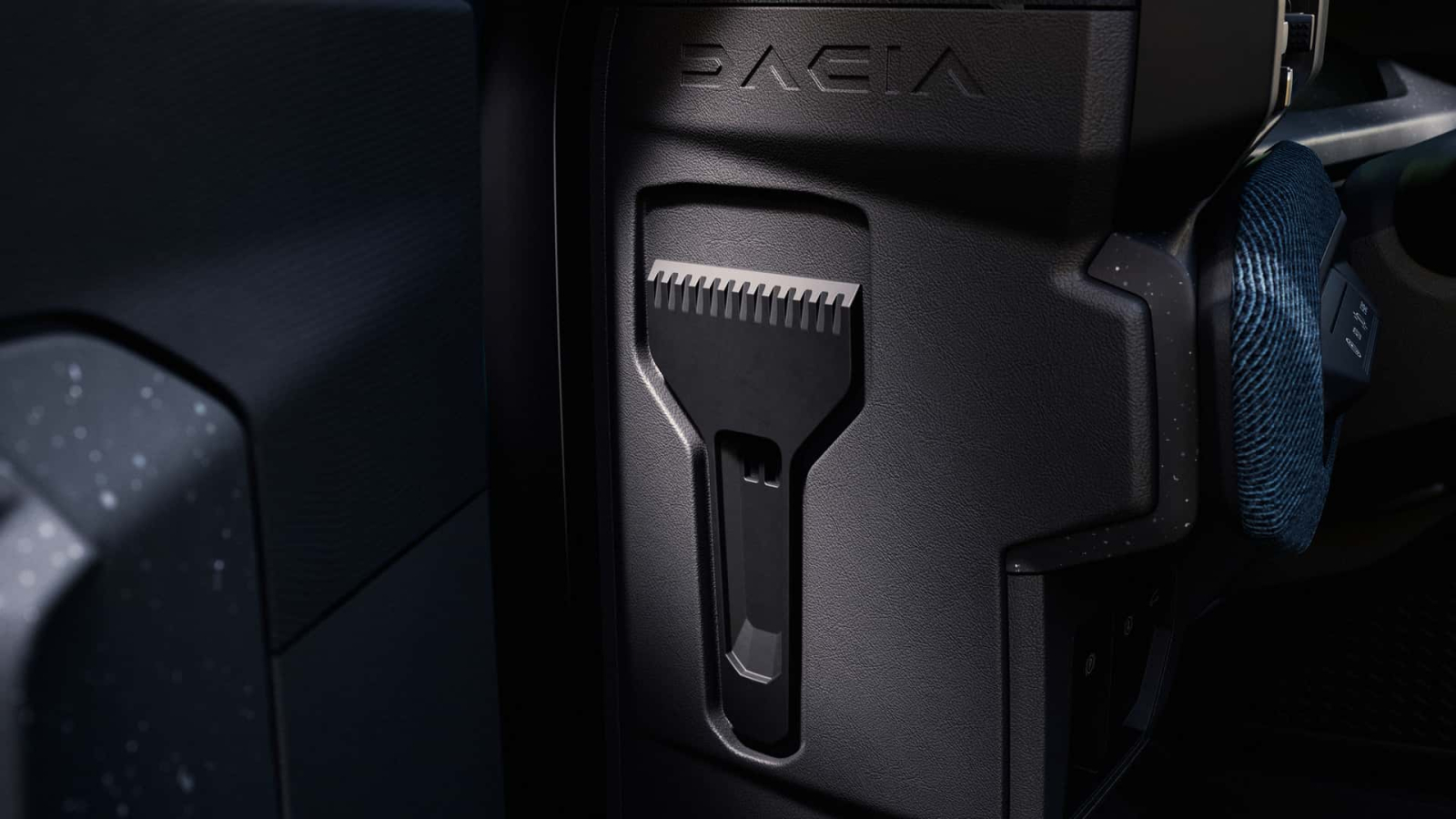
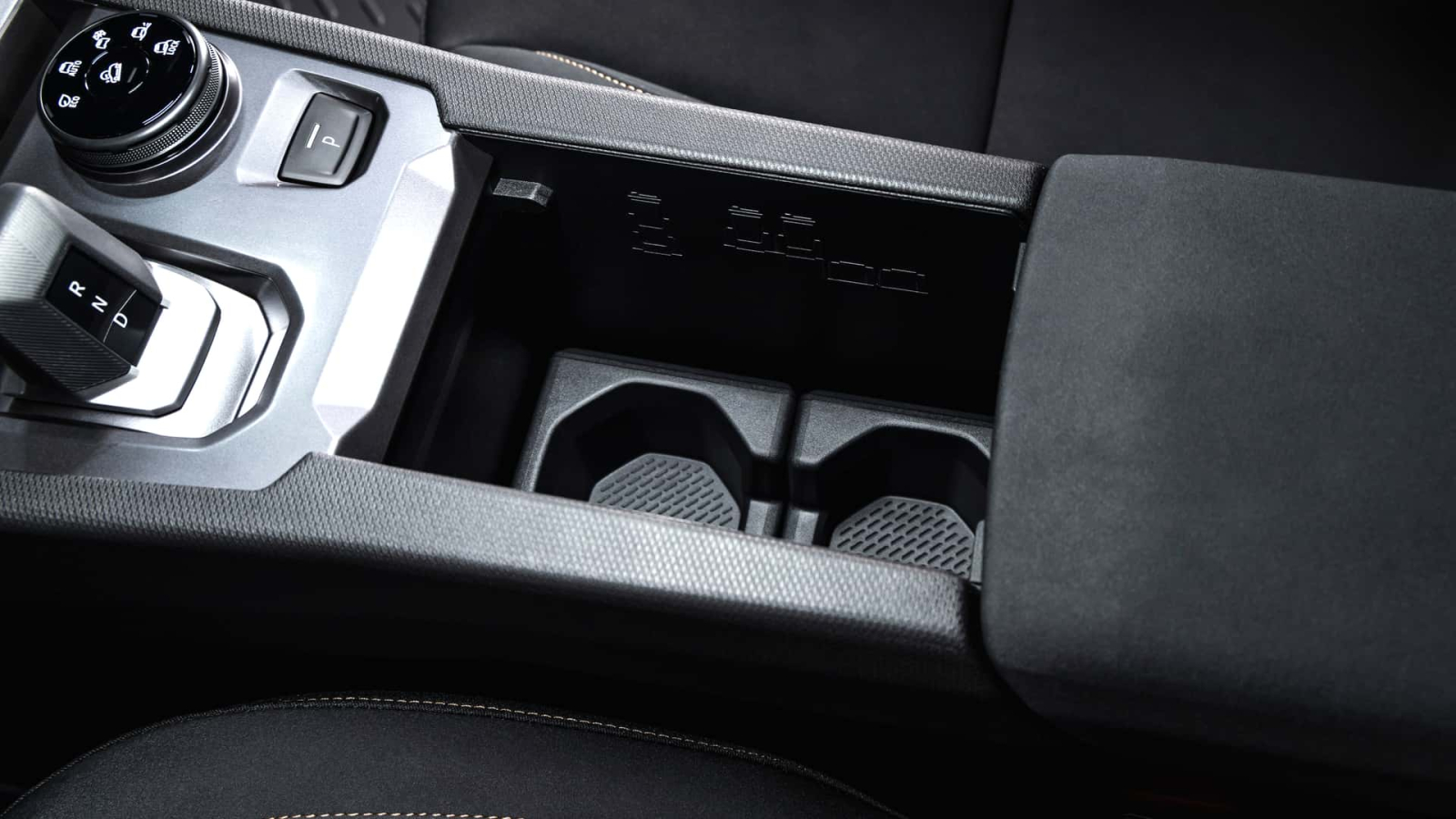
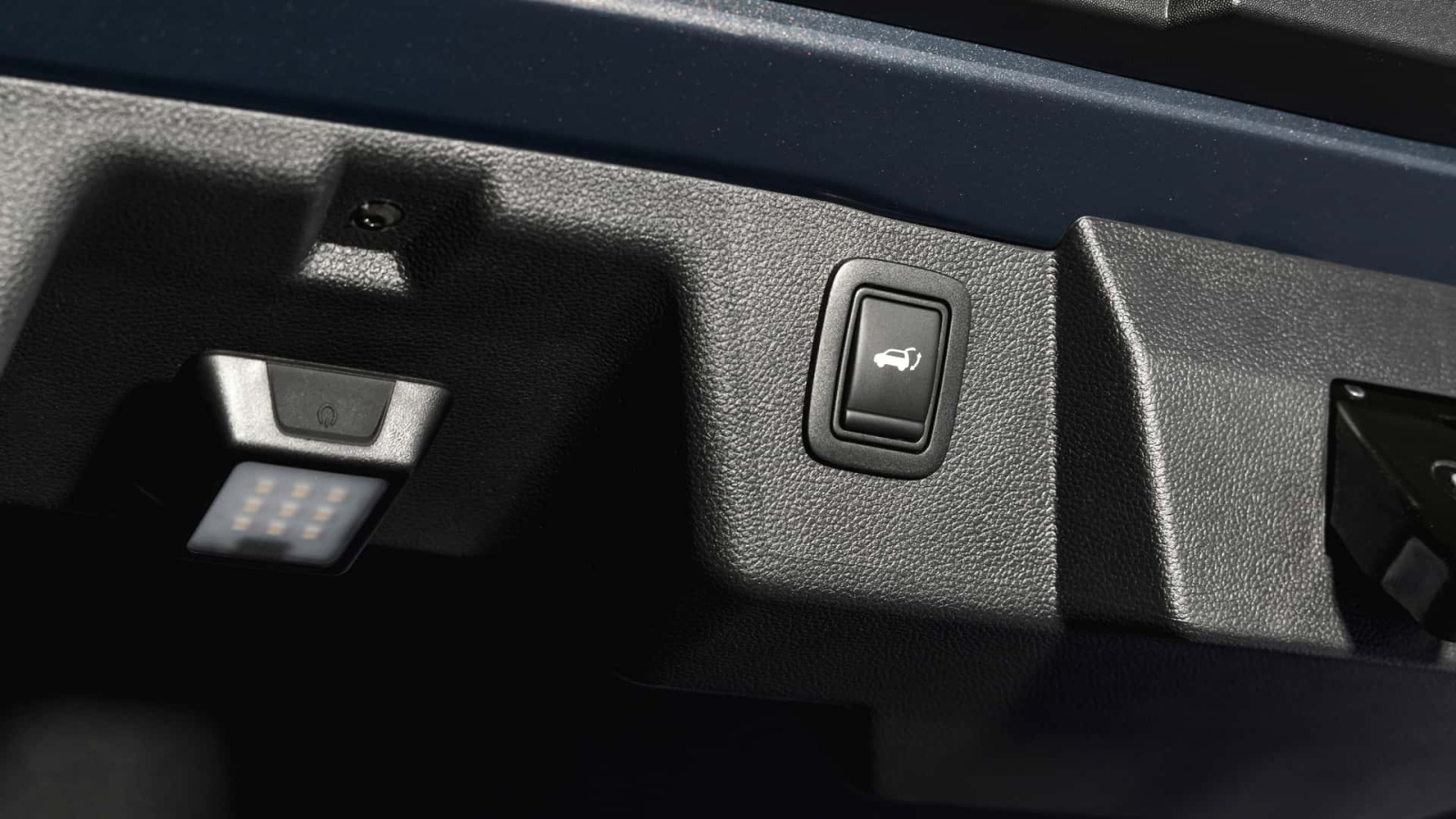
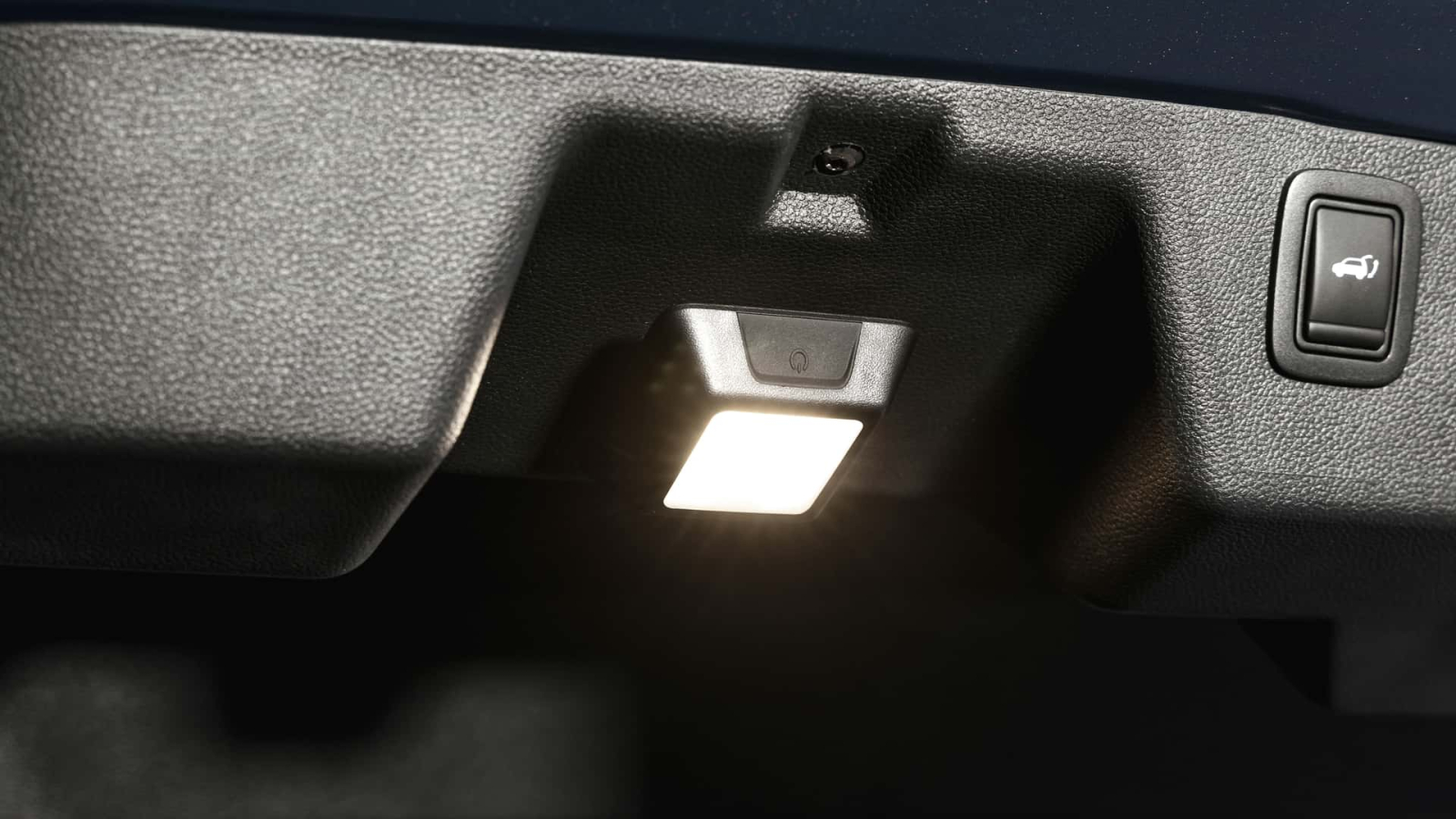
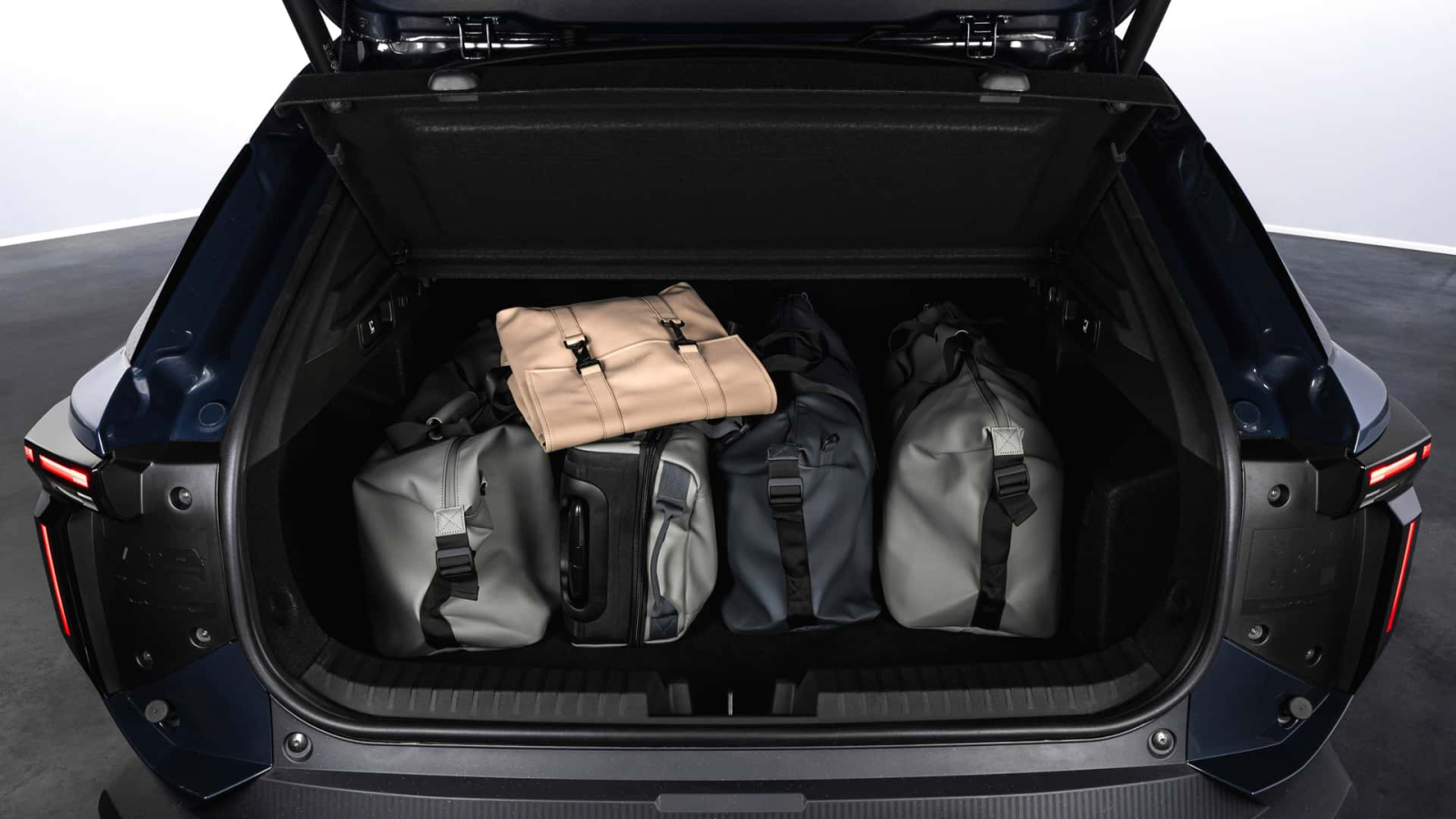
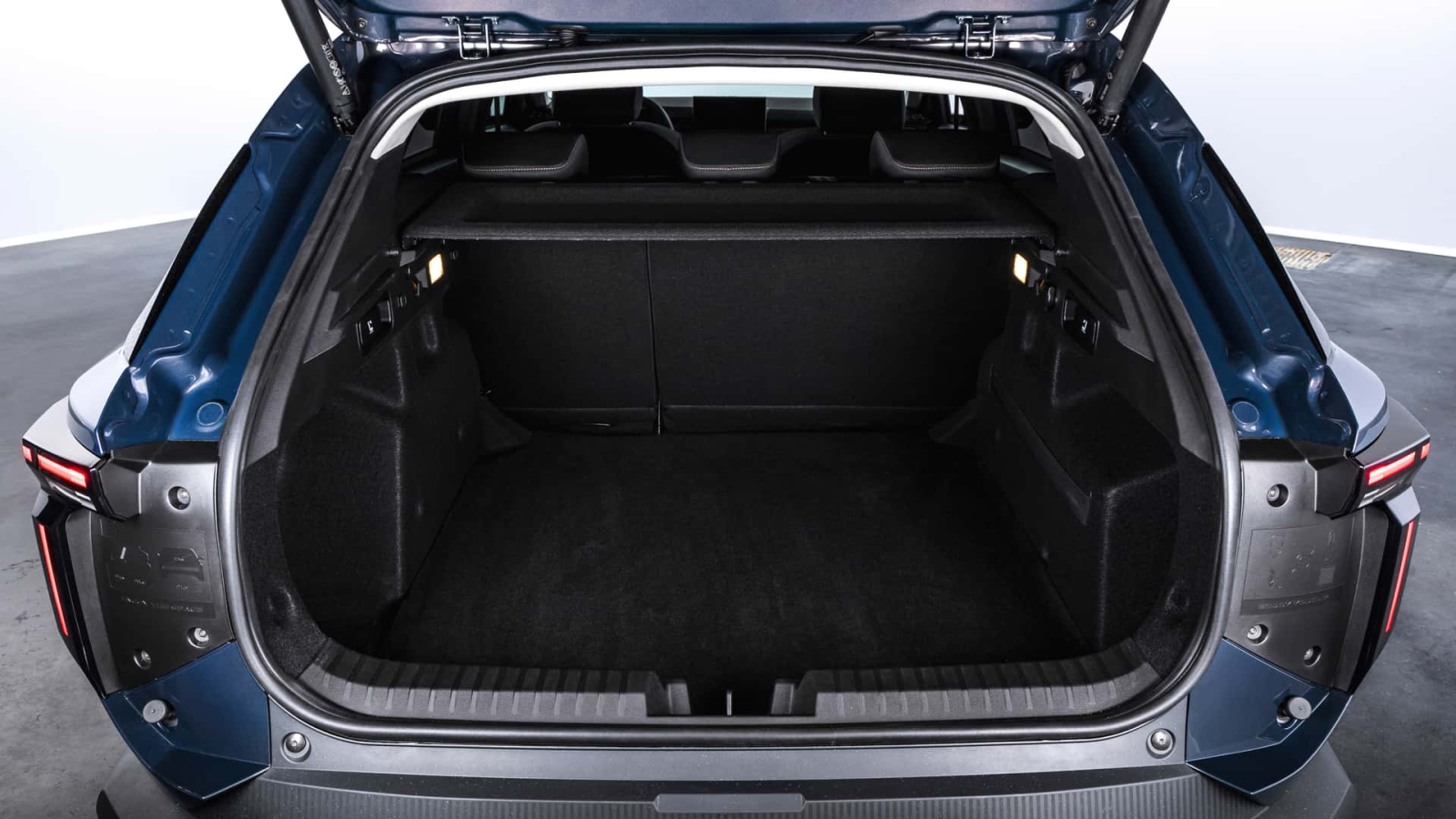
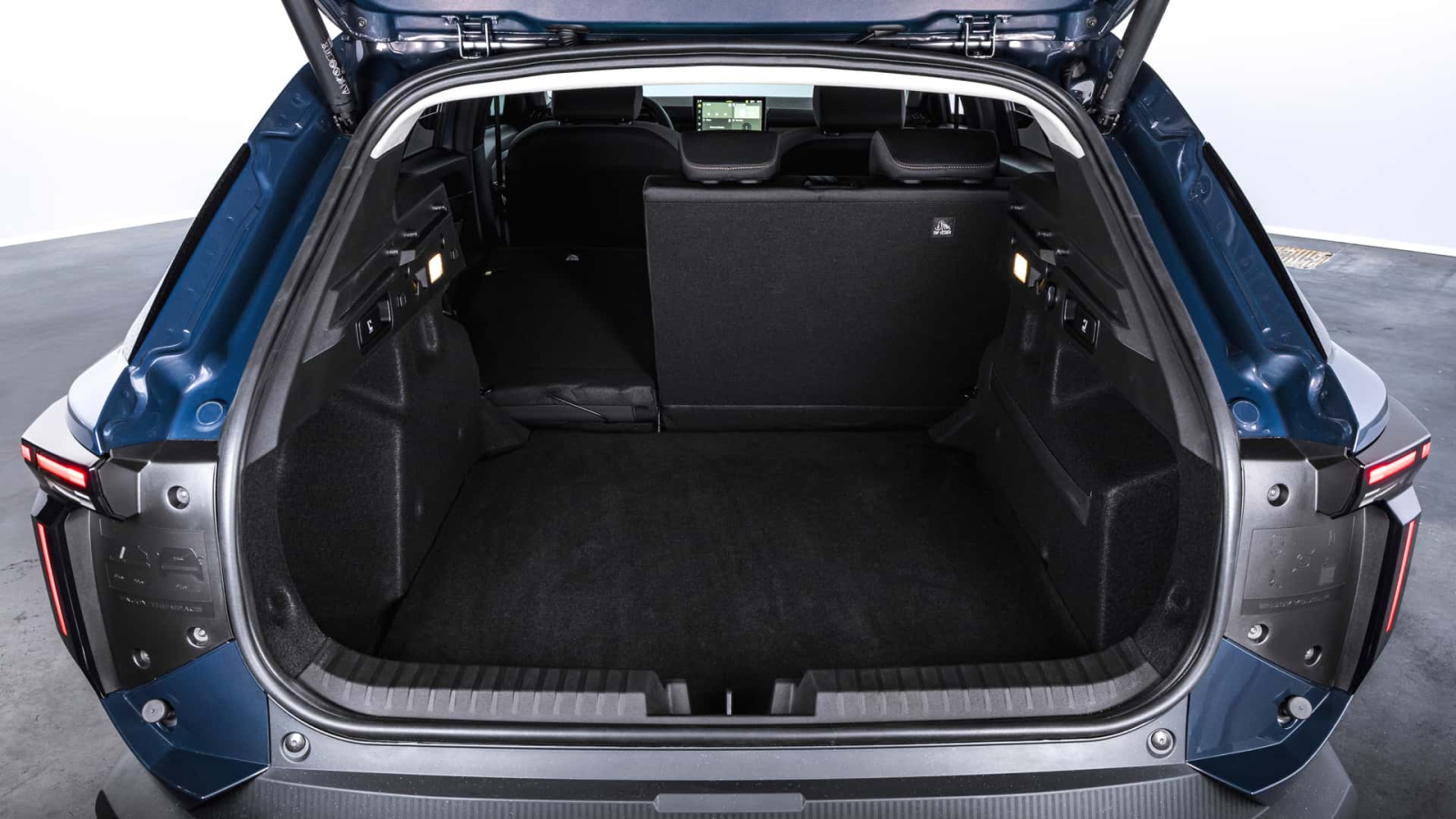
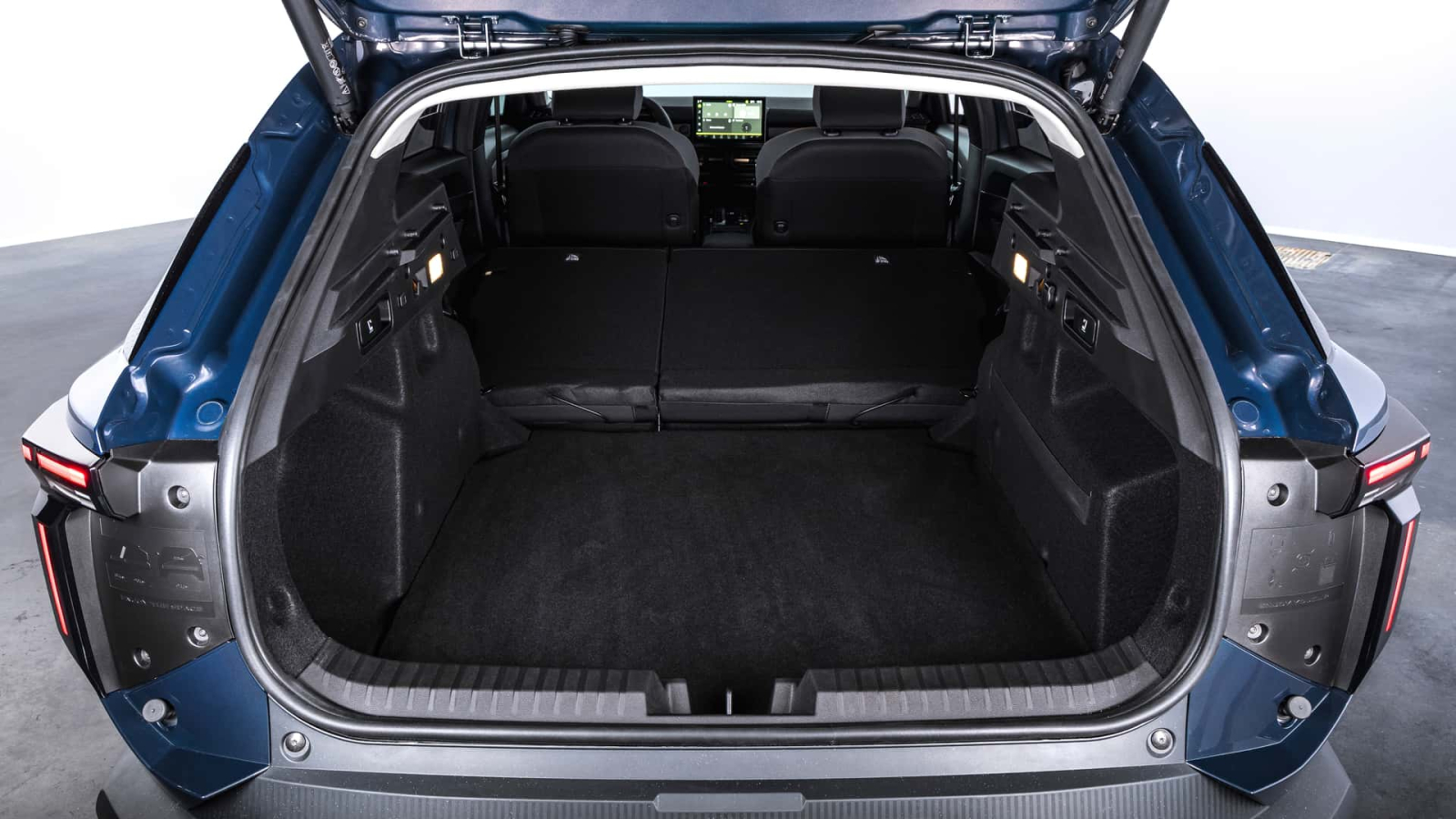
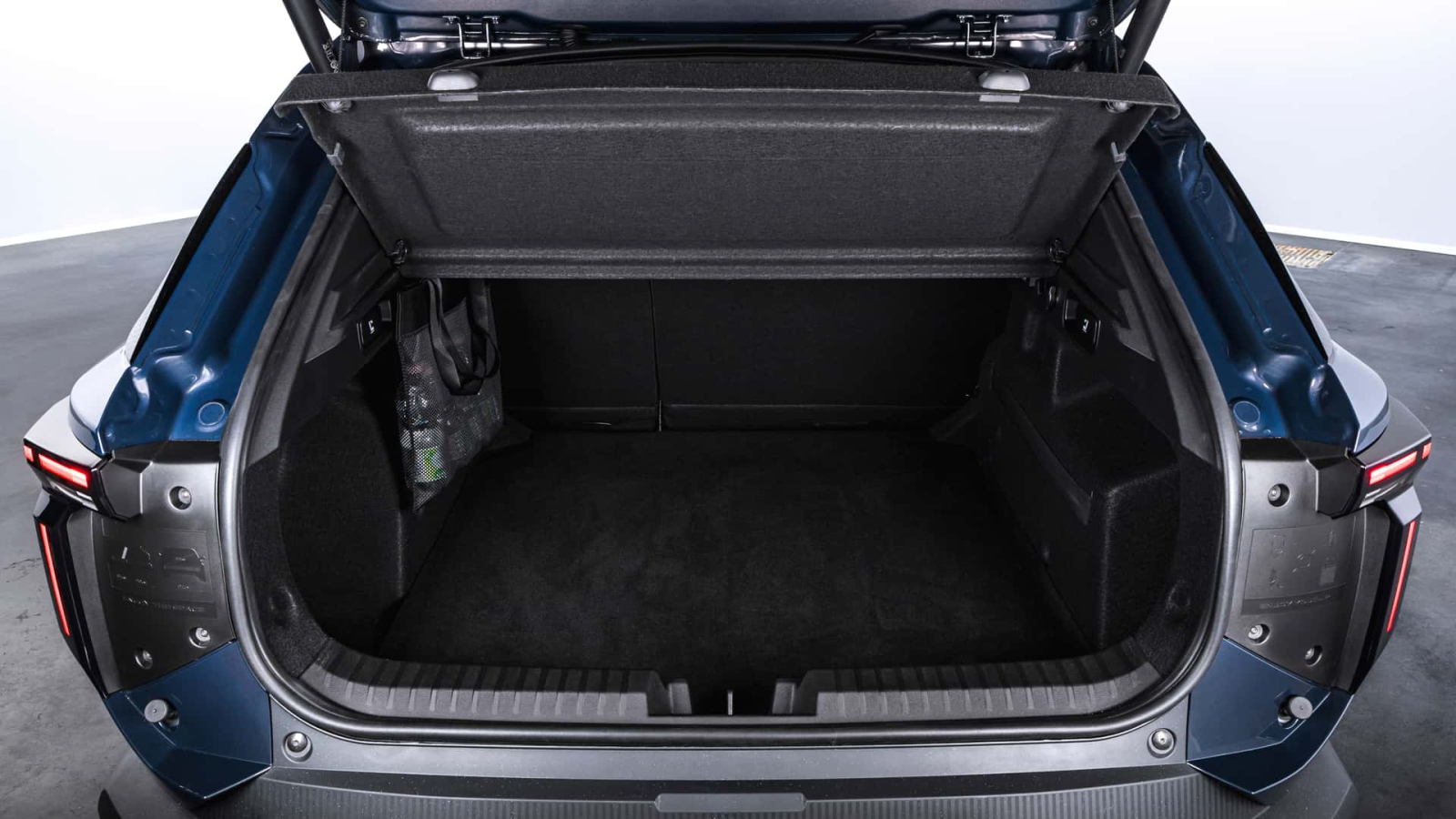
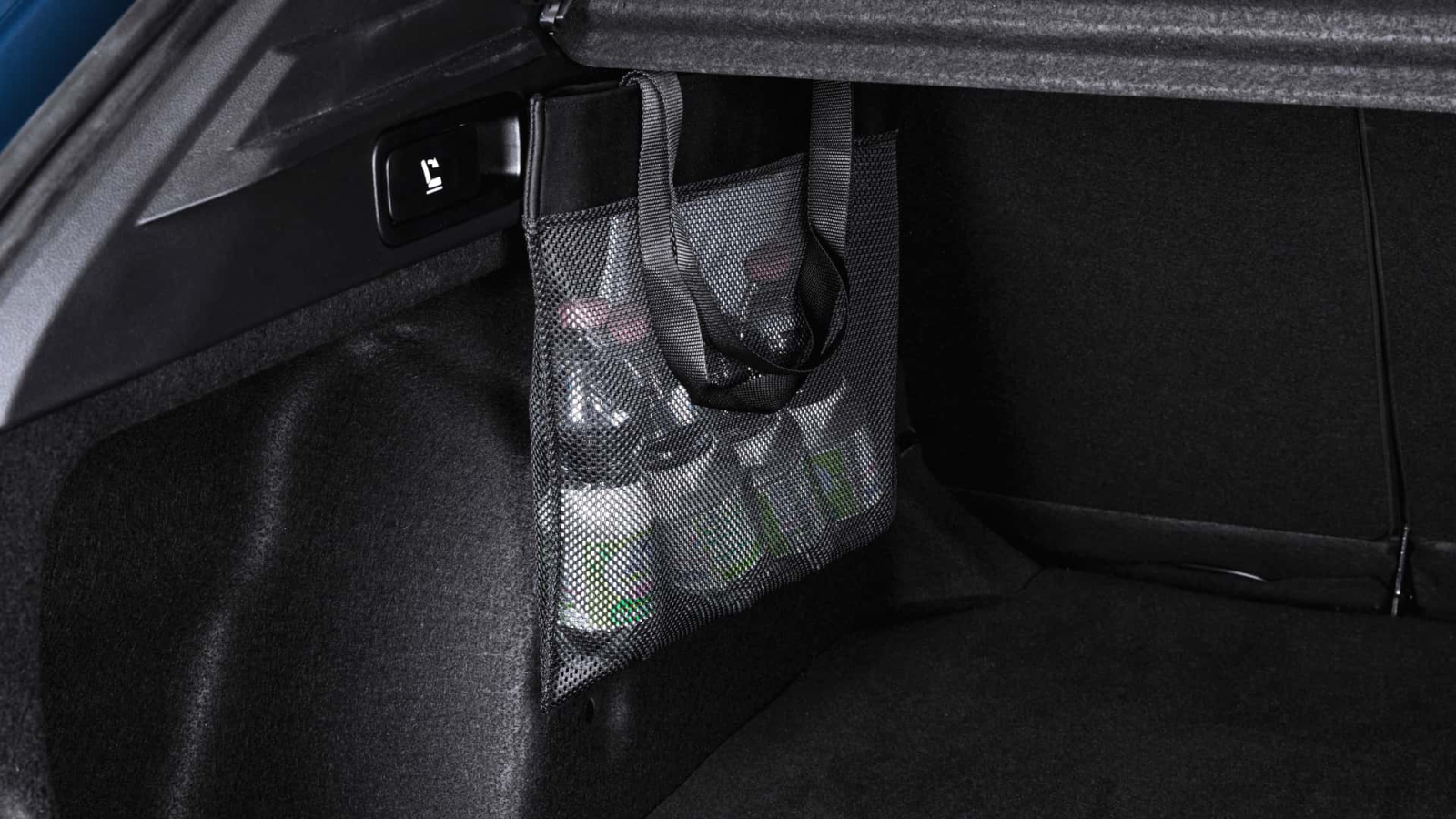
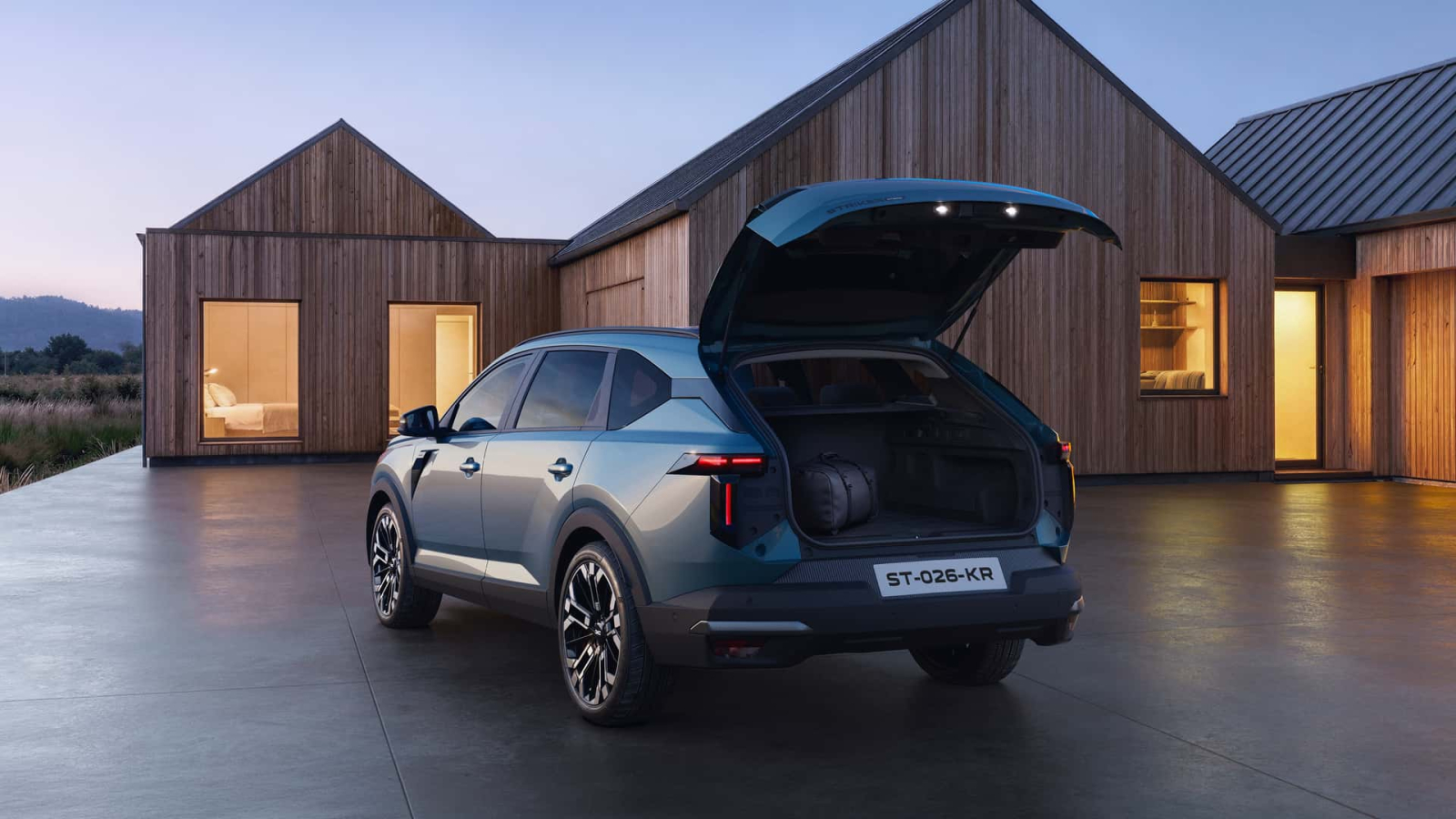
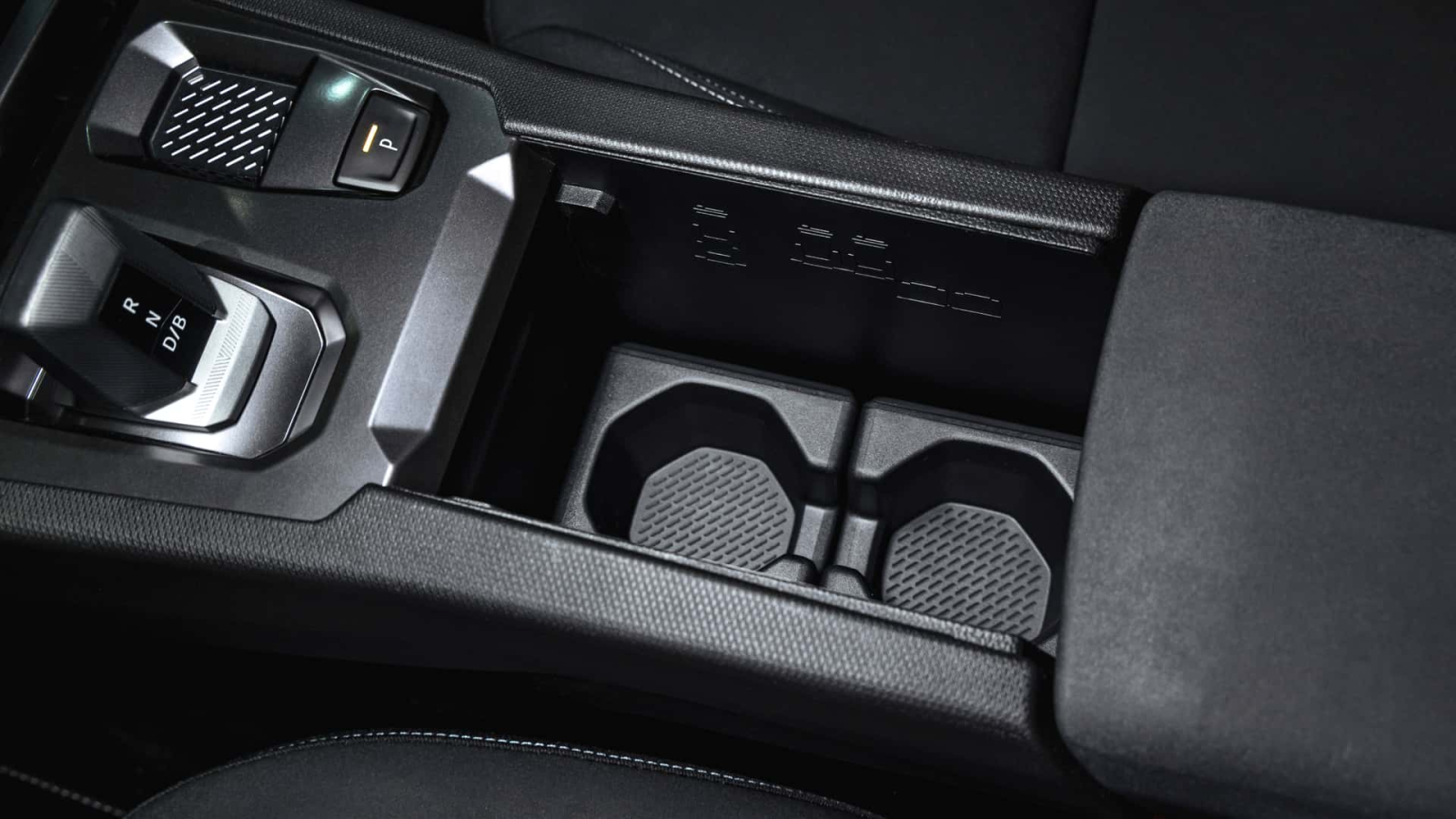
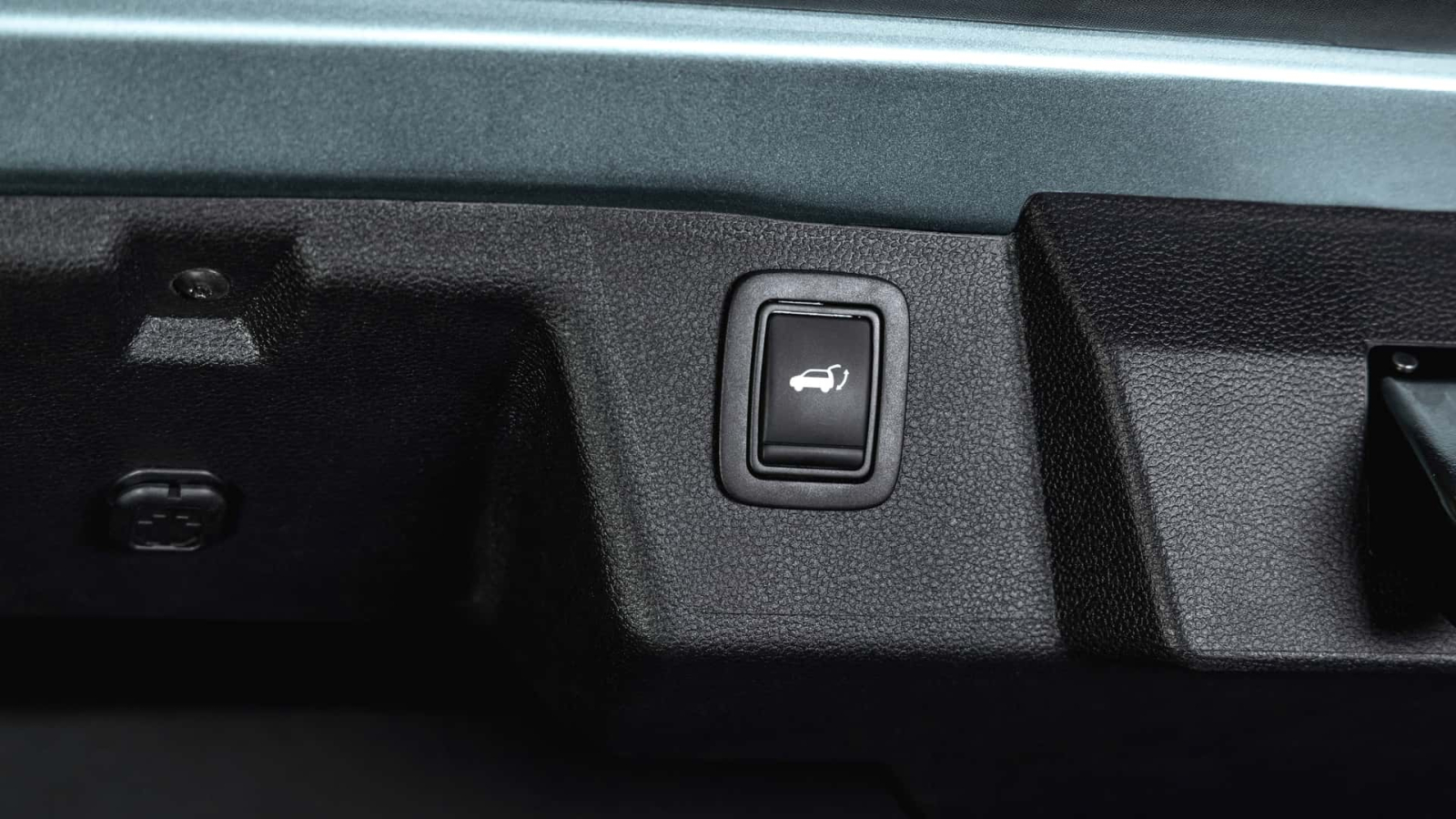
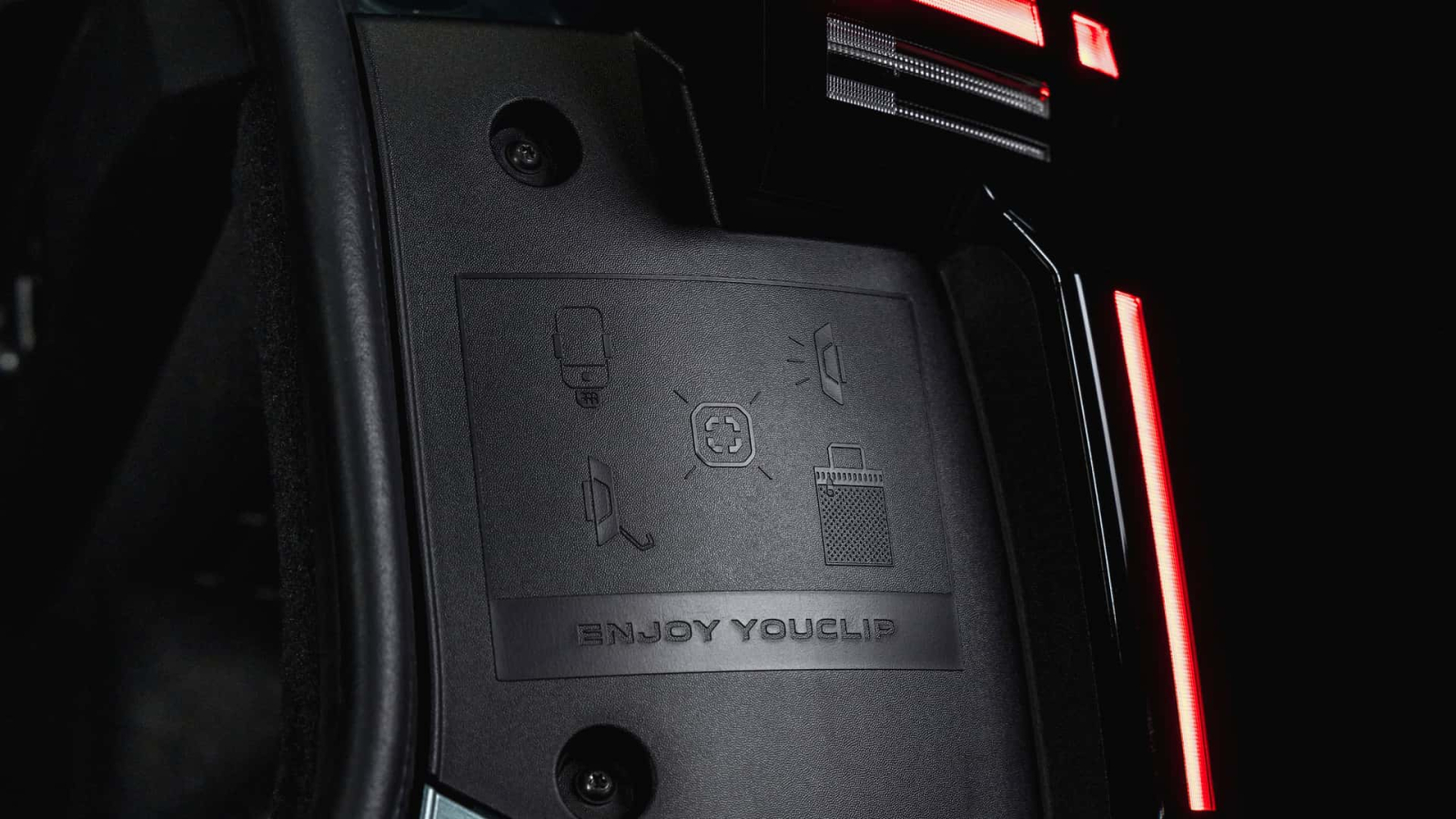
Practicality is one of the Striker's biggest strengths. The rear cargo area can hold up to 600 liters, and the load space is made more adaptable by a three-section floor with two height positions. Dacia has also added thoughtful touches such as a sliding storage drawer, removable cup holders, and multiple mounting points for accessories.
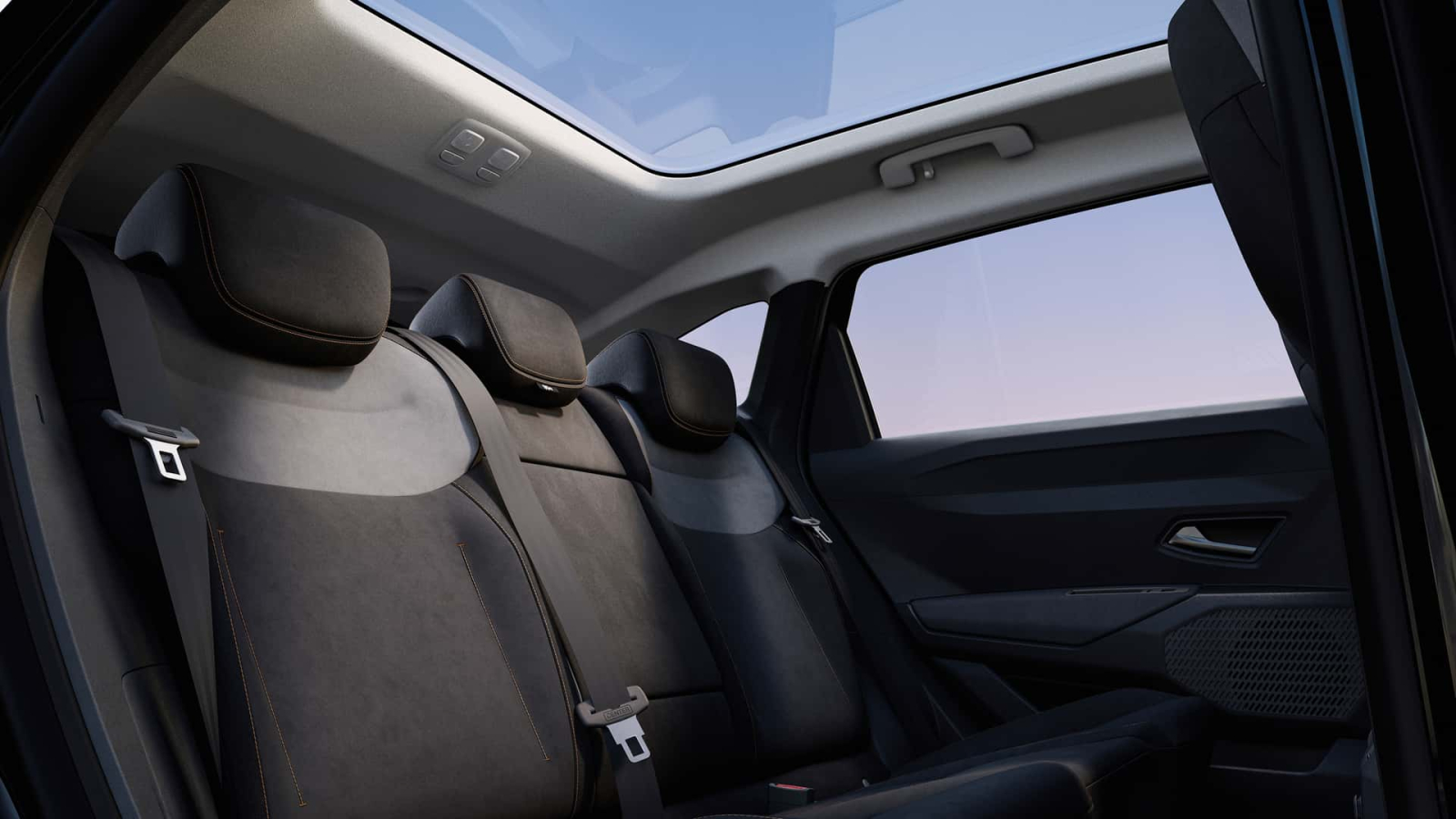
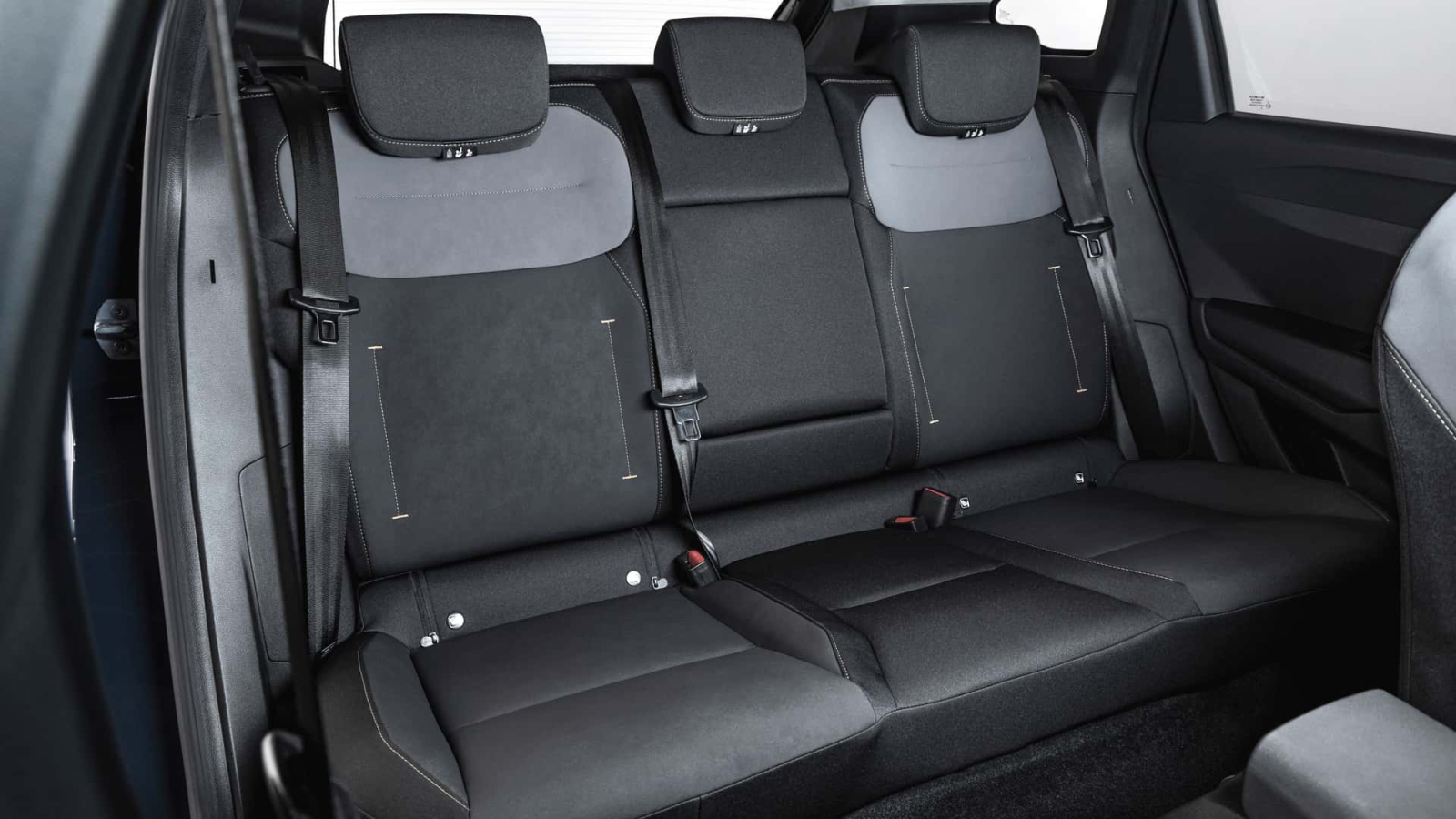
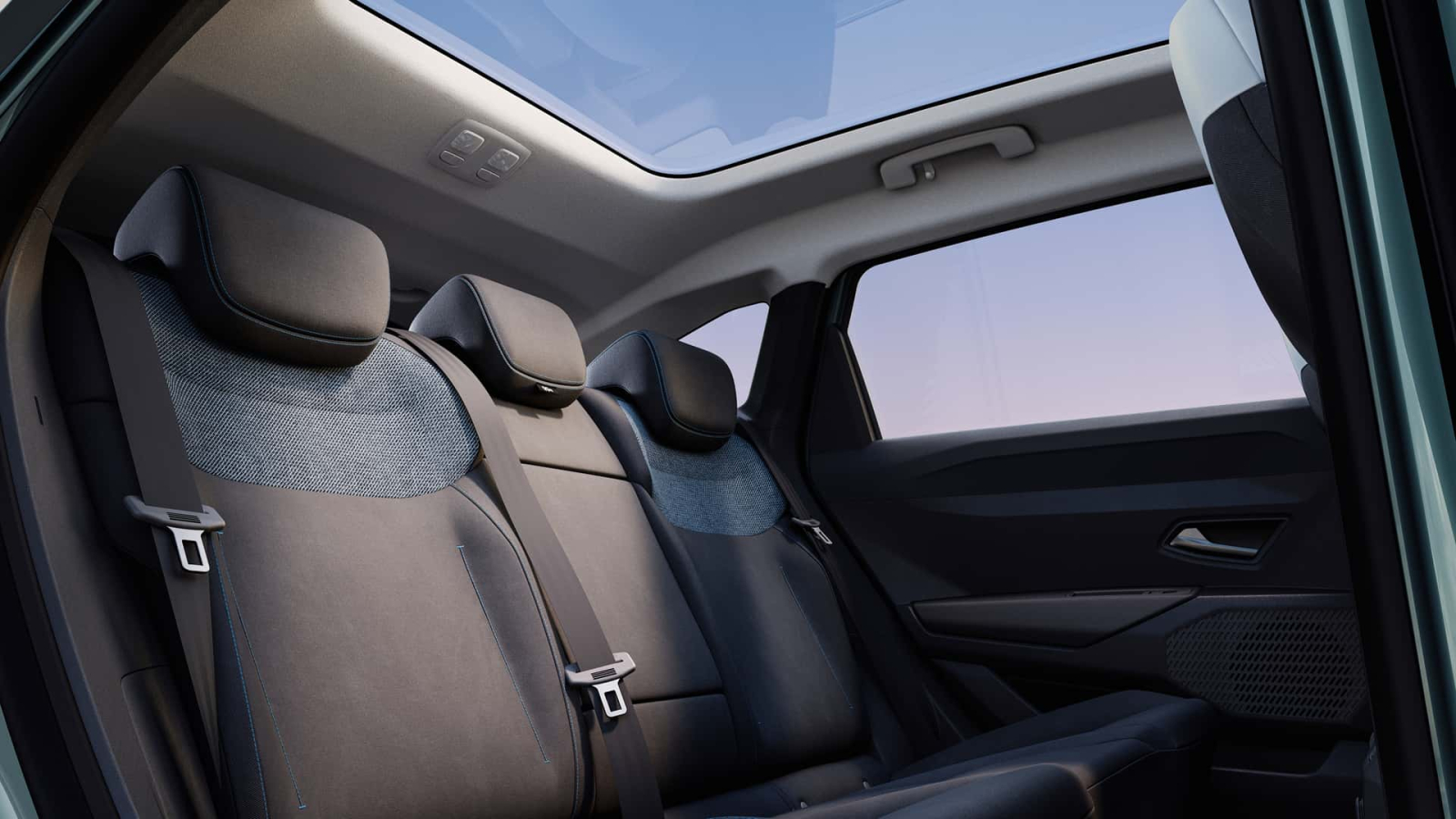
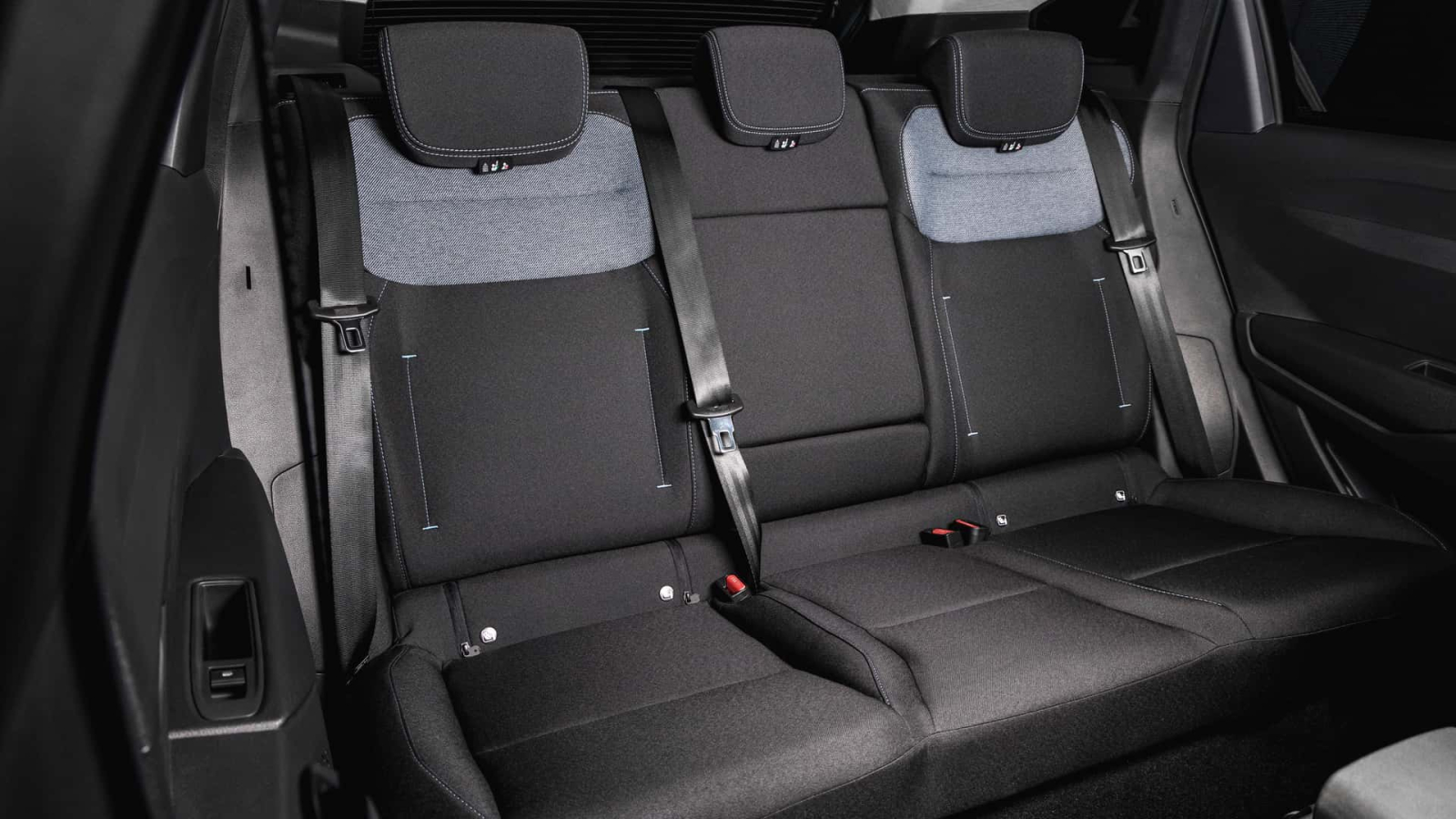
The company says cabin comfort has been improved as well, thanks to better sound insulation, thicker glass, and extra noise-reducing materials. Unlike the Jogger, the Striker is offered only as a five-seat model.
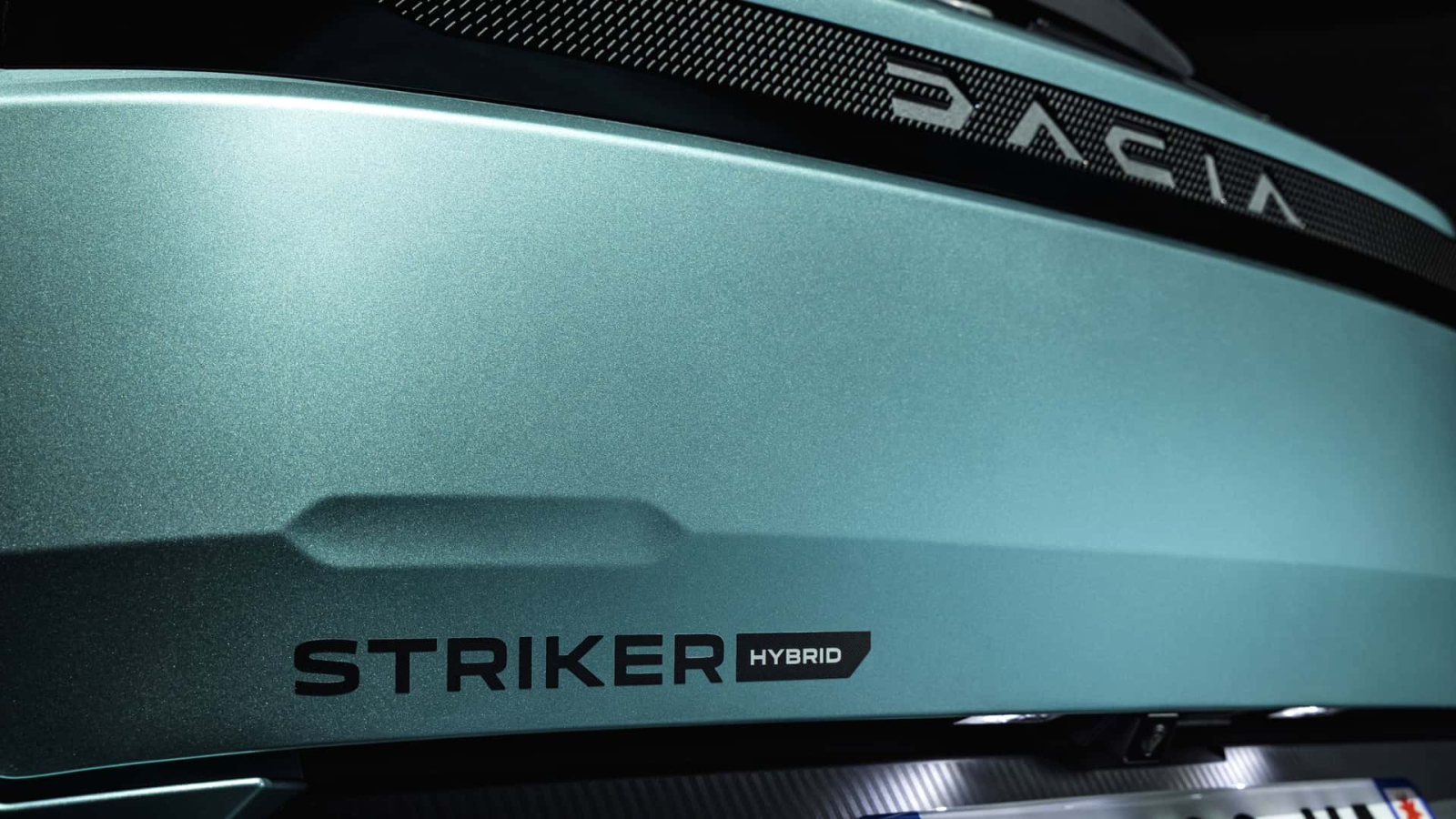
Powertrain options reflect Renault Group's shift away from diesel. The entry version uses a turbocharged 1.2-liter three-cylinder engine that can run on gasoline or LPG and is paired with mild-hybrid assistance. A full-hybrid setup follows, combining a naturally aspirated 1.8-liter four-cylinder engine with two electric motors and a 1.4-kWh battery. Dacia says this version can drive on electric power for much of city use.
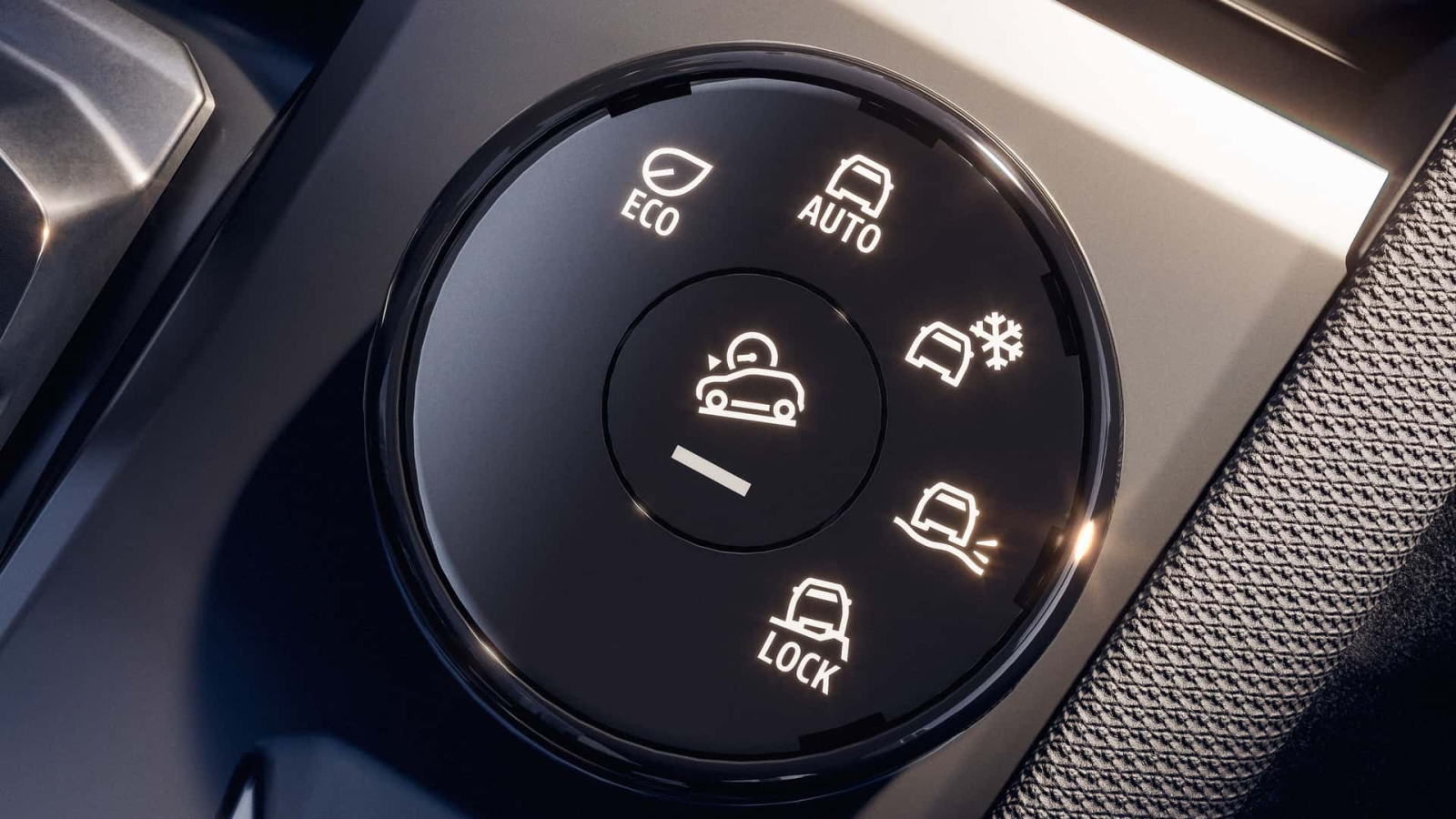
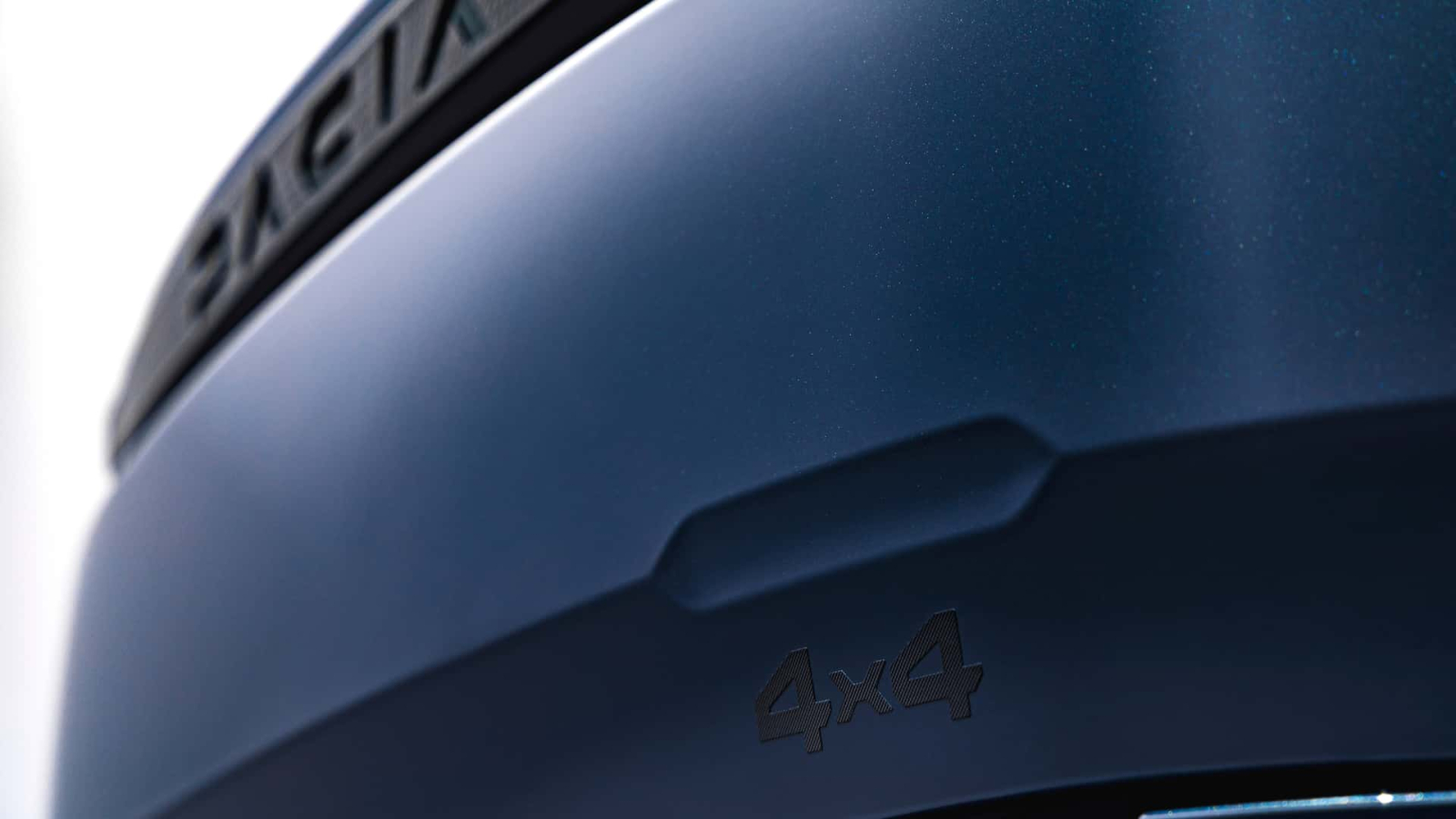
For drivers who need traction in rougher conditions, an all-wheel-drive variant is also available. It pairs the 1.2-liter mild-hybrid engine with an electric motor at the rear, while offering selectable modes for different surfaces, including snow, mud, sand, and off-road driving. Hill Descent Control comes standard, and the model is expected to weigh around 1,400 kilograms before the added hardware of the AWD system.
Pricing remains one of the Striker's biggest selling points. In Europe, it will start below €25,000, with higher-spec AWD versions likely climbing past €30,000. Even so, it should still come in below a similarly equipped Bigster when sales begin later this year.
Photos
More news